Beijing, China – September 15, 2025 – China’s economy is exhibiting a broad slowdown, with key August indicators falling short of expectations and highlighting persistent pressures from international trade tensions and dampened domestic demand. Industrial output and retail sales, crucial barometers of economic health, both registered their slowest growth in approximately a year, intensifying calls for further government stimulus.
August Data Reveals Easing Momentum
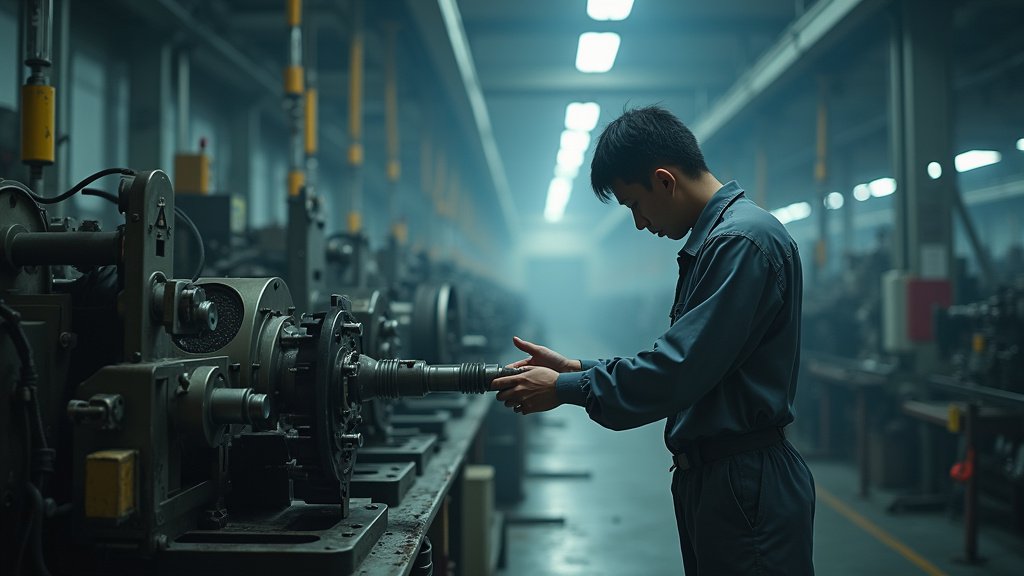
Official figures released today by the National Bureau of Statistics (NBS) paint a picture of an economy losing steam. Industrial production, a measure of factory output, expanded by 5.2% year-on-year in August. While this represents growth, it marks the weakest pace in 12 months and fell below economists’ forecasts, which had anticipated a 5.7% rise. This deceleration underscores the challenges faced by China’s manufacturing sector.
Consumer spending, a vital engine for economic growth, also showed signs of fatigue. Retail sales saw a 3.4% year-on-year increase in August, the slowest growth rate since November of the previous year. This cooling trend, down from July’s 3.7%, suggests households are exercising caution amid economic uncertainties, despite government efforts to boost consumption through trade-in programs and subsidies.
Fixed-asset investment, a critical component for long-term growth encompassing infrastructure, manufacturing, and property, expanded by a mere 0.5% in the first eight months of the year. This figure represents the lowest reading for this period since 2020, signaling a significant contraction in investment appetite.
Tariff Pressure and Shifting Trade Landscape
The lingering effects of trade disputes, particularly those involving the United States, continue to cast a shadow over China’s export-oriented industries. While China’s overall foreign trade saw a 3.1% increase in August, with exports rising 4.4% to $321.8 billion, a stark decline was observed in trade with the US. Exports to the United States plunged by 33% in August, a significant widening from the previous month’s 22% drop. This trend highlights the ongoing impact of tariffs, which remain in place despite past negotiations.
In response to these pressures, China appears to be accelerating its diversification of trade partners. Exports to major economies outside the US, such as the Association of Southeast Asian Nations (ASEAN), the European Union, and Japan, have shown stronger growth rates, indicating a strategic shift to mitigate the impact of US tariffs.
Domestic Challenges: Property Slump and Deflationary Concerns
Adding to the economic headwinds is the ongoing downturn in China’s vast property sector. Property investment saw a significant 12.9% year-on-year decline in the first eight months of 2025, an acceleration from the previous period. Sales of new commercial buildings and new construction starts also registered substantial drops. This persistent property slump continues to weigh on consumer confidence and broader economic activity.
Furthermore, deflationary pressures are re-emerging, with the Consumer Price Index (CPI) falling 0.4% year-on-year in August, returning to negative territory after a flat reading in July. This raises concerns that falling prices could discourage spending and investment, creating a challenging environment for economic recovery.
Outlook and Policy Response
Despite the disappointing August data, China remains on track to meet its official annual growth target of around 5%, aided by a stronger performance in the first half of the year. International institutions like the IMF and World Bank project growth rates around 4.5% to 4.8% for the year, acknowledging the headwinds but also the impact of government stimulus measures.
Government spokespersons acknowledge the “unstable and uncertain factors in the external environment” and that the economy faces “multiple risks and challenges”. Beijing is expected to continue implementing macro policies aimed at stabilizing employment, businesses, markets, and expectations, with particular focus on stimulating domestic consumption and upgrading industrial capacity. The current news trending indicates ongoing vigilance is required as the global economic landscape evolves.
As China navigates these complex internal and external pressures, the effectiveness of its policy responses will be crucial in determining the trajectory of its economic growth in the coming months. This news is developing, and further updates are expected.