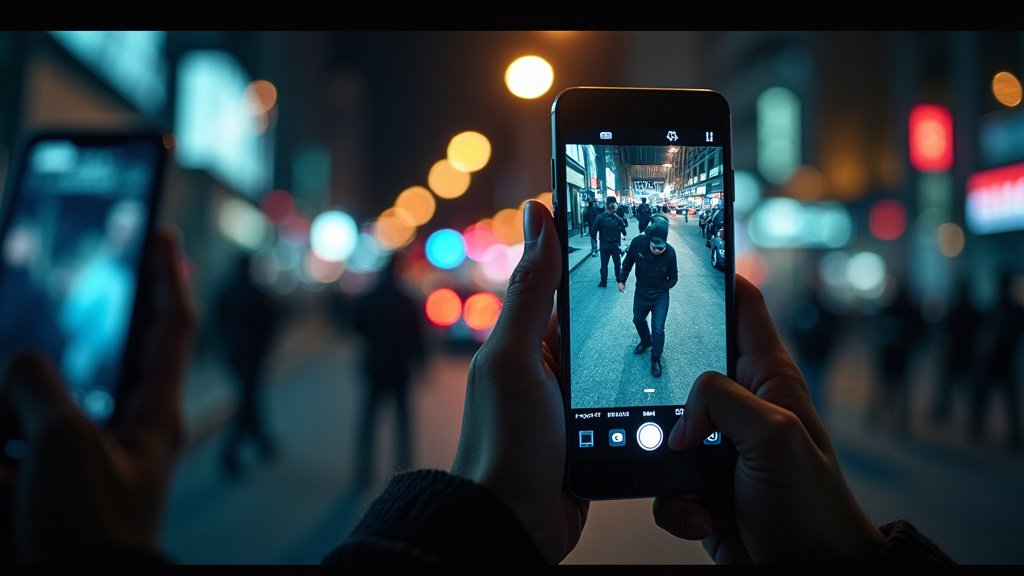
Bystander videos have become a powerful force. They capture critical moments of law enforcement action. Millions have viewed footage of Alex Pretti’s death. Federal immigration agents shot and killed Pretti in Minneapolis. This event highlights a significant trend. Citizen recordings are changing public understanding. These videos inform us about police conduct. They have done so for decades. Darrell M. West, a senior fellow at Brookings, noted their importance. He stated a video can be worth 100,000 words.
The Alex Pretti Incident
Alex Pretti was a 37-year-old ICU nurse. He died on January 24, 2026. Federal Border Patrol agents shot him in Minneapolis. The Department of Homeland Security claimed Pretti approached agents with a handgun. They also stated he resisted disarming. However, bystander videos dispute this narrative.
Footage shows Pretti filming agents with his phone. He was directing traffic. He stood between an agent and a woman. Agents then pepper-sprayed him. They wrestled him to the ground. Around six agents surrounded him when he was shot. None of the videos show Pretti brandishing a weapon. His hands held only his mobile phone. One video shows an agent removing a gun from Pretti’s waist area. Another agent fired shortly after.
A Growing Trend
This event is not isolated. Bystander videos have become commonplace. They capture law enforcement encounters. This trend has accelerated with smartphones. Videos can go viral quickly. They shape public perception. Experts confirm this impact. For instance, the 1991 Rodney King beating was recorded. That video spurred outrage. The 2020 killing of George Floyd also went viral. It fueled the Black Lives Matter movement.
The Power of Visual Evidence
Bystander footage offers crucial evidence. It can contradict official statements. Use-of-force experts noted this in the Pretti case. Videos provide a different perspective. They show events as they unfold. This visibility promotes accountability. It can deter misconduct. Officers may feel more scrutinized. This awareness can influence their behavior.
Challenges and Nuances
However, these videos do not always tell the whole story. They may lack context. Snippets online can skew perception. The full background is often missing. Police officers note that edited clips can misrepresent events. Furthermore, recording law enforcement can be risky. Some individuals face intimidation. There have been arrests for recording police.
The proliferation of these videos brings new demands. Law enforcement leaders must manage expectations. They must also handle the timeline of visibility. The public increasingly expects encounters to be recorded and explained.
The Future of Transparency
In conclusion, bystander videos are shaping news. They are a top news source for many. This trend is a powerful tool. It pushes for greater transparency. Citizen journalism is vital. It holds power accountable. The constant recording environment continues to evolve. It forces a reevaluation of policing. This ensures events are not easily forgotten. Public perception is now more informed. It is also more critical.