US Military Armada Nears Iran Amid Nuclear Brinkmanship; Tensions Surge
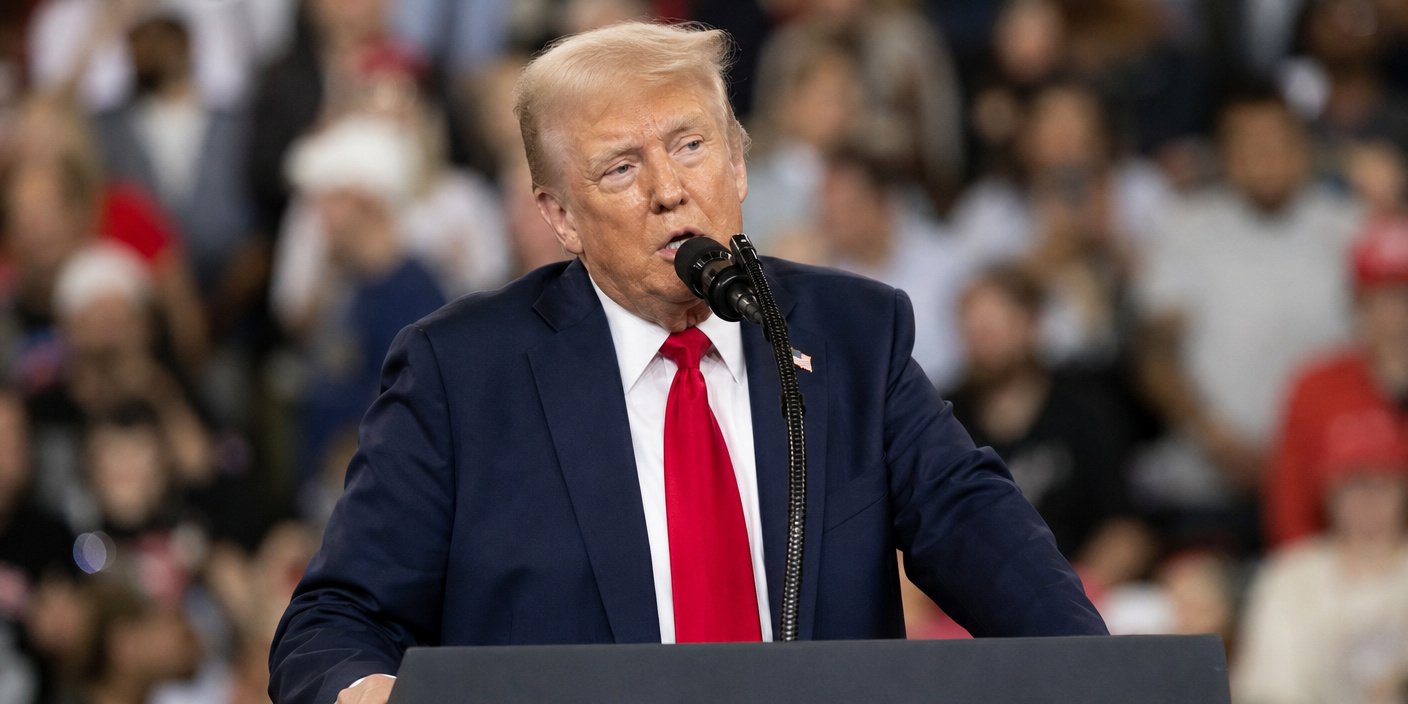
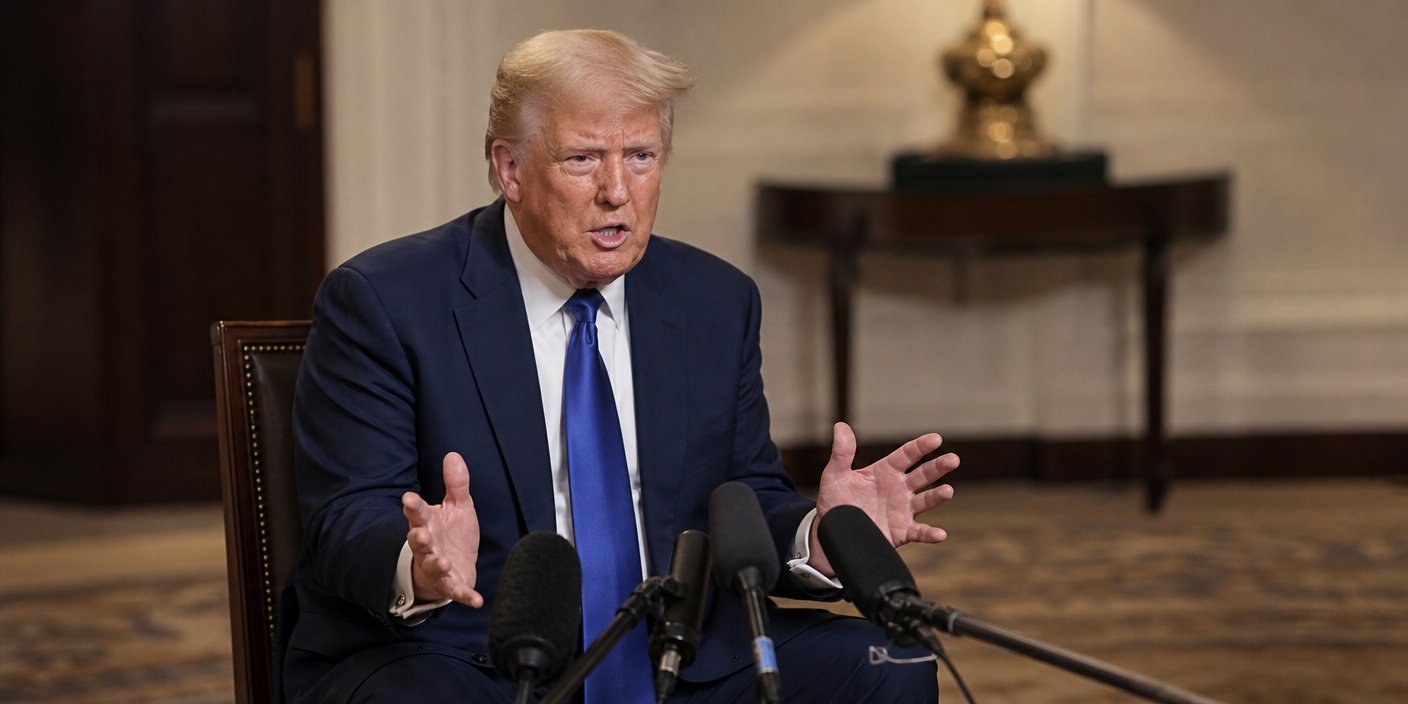
Tensions between the United States and Iran have reached a critical point. A massive U.S. military “armada” is now approaching Iranian shores. This escalation follows weeks of heightened rhetoric and military posturing. President Donald Trump has issued stark warnings to Tehran. He demands Iran negotiate a new nuclear deal. He insists there should be “no nuclear weapons”.
Background to Escalation
The U.S. and Iran share a long history of animosity. This intensified under the Trump administration. The U.S. withdrew from the Iran nuclear deal in 2018. This move re-imposed significant sanctions on Iran. Iran, in turn, began exceeding its nuclear commitments. Tensions flared in 2019 with attacks on oil tankers. Iran also shot down a U.S. drone. The U.S. responded with cyberattacks and more sanctions.
Military Buildup and Threats
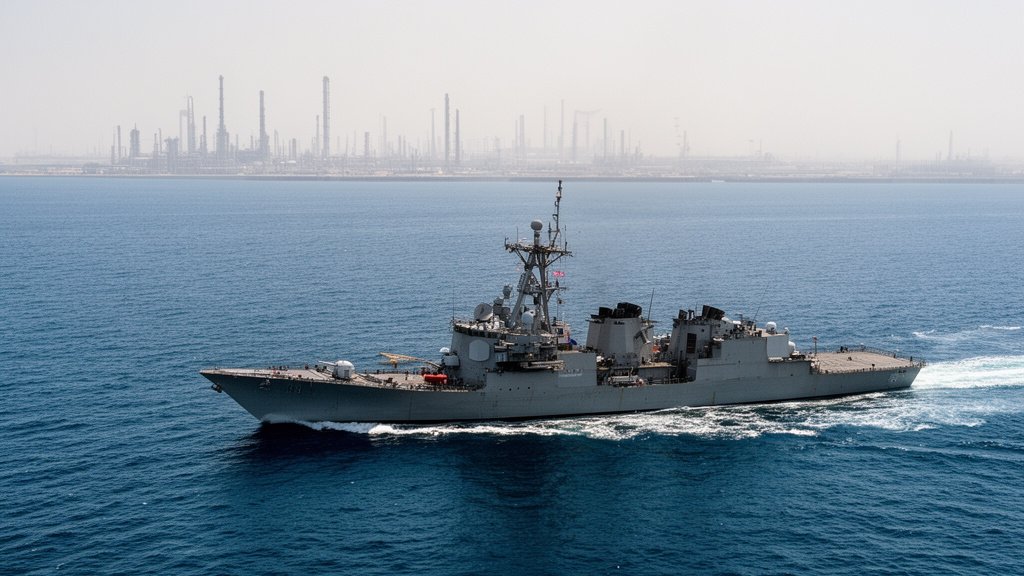
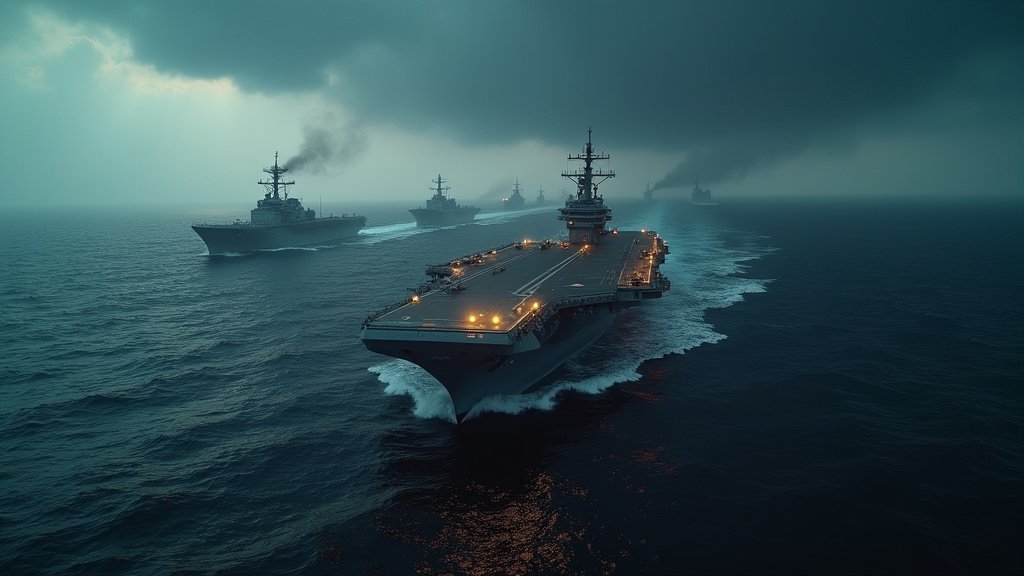
A substantial U.S. military force is now positioned near Iran. This includes the USS Abraham Lincoln carrier strike group. Several guided-missile destroyers also form part of this fleet. U.S. military exercises are underway in the Middle East. These drills demonstrate the ability to project air power across the region. Patriot and THAAD missile systems have also been deployed.
President Trump stated the armada is “prepared to rapidly fulfil its missions with speed and violence if necessary”. He warned that any future attack would be “far worse”. The U.S. military insists it is ready for any presidential decision. Pentagon officials emphasized protecting American service members.
Iran’s Response and Warnings
Tehran has vowed a “crushing response” to any attack. An Iranian military spokesman declared U.S. aircraft carriers have “serious vulnerabilities”. American bases across the Gulf region are within range of Iranian missiles. Iran stated any U.S. action would be decisive and instantaneous. They warned they would “defend itself and respond like never before”. Regional allies of Iran also issued threats. Hezbollah warned an attack on Iran would mean an attack on them.
EU’s Stance and Sanctions
The European Union recently designated Iran’s Islamic Revolutionary Guard Corps (IRGC) as a terrorist organization. This move followed the IRGC’s brutal suppression of domestic protests. The EU also added Iranian officials and organizations to its sanctions list. Iran accused the EU of “fanning the flames”. They called the designation a “major strategic mistake”. This action places the IRGC alongside groups like al Qaeda and Hamas.
Regional Impact and Diplomatic Efforts
The escalating tensions raise fears of a wider regional conflict. Neighboring countries like Saudi Arabia and Israel are engaged in talks with the U.S.. However, many Gulf states are hesitant to allow their territory for an attack on Iran. Turkey is actively mediating talks. Iran’s Foreign Minister met with Turkish officials to discuss de-escalation.
A U.S. Navy destroyer, the USS Delbert D. Black, docked at Israel’s port of Eilat. This arrival was pre-planned as part of U.S.-Israeli military cooperation. While the U.S. displays military strength, it also maintains diplomatic channels. President Trump has expressed openness to negotiations. However, he insists on Iran abandoning its nuclear ambitions.
Outlook
The situation remains volatile. Both sides issue strong warnings and demonstrate military readiness. The increased U.S. military presence near Iran creates a dangerous dynamic. The risk of miscalculation is high. Regional stability hinges on de-escalation and successful diplomacy. The international community watches closely. The potential consequences of further conflict are severe. This news is trending as global powers monitor the escalating standoff. This is featured news with top implications.