
Ramadan, the holiest month in the Islamic lunar calendar, is poised to begin. Muslims worldwide will soon commence their annual observance. The precise start date hinges on the sighting of the new crescent moon. Most astronomical forecasts indicate Ramadan 2026 will commence on February 19. Some regions might begin on February 18, depending on local moon visibility. This holy month lasts 29 or 30 days. Eid al-Fitr, the festival marking its end, is anticipated around March 20, 2026.
The Spiritual Core of Ramadan
Ramadan commemorates the initial revelation of the Quran to Prophet Muhammad over 1,400 years ago. It is one of Islam’s five pillars. The month is dedicated to prayer, reflection, charity, and fasting. Muslims believe it offers spiritual purification. Fasting, or Sawm, means abstaining from food, drink, and other physical needs from dawn until sunset. This practice fosters self-discipline, patience, and empathy for the less fortunate. It aims to develop Taqwa, or God-consciousness.
Global Fasting Hours and Variations
The daily fast occurs between dawn (Fajr) and sunset (Maghrib). Fasting hours vary significantly by location and season. This year, Ramadan falls close to the spring equinox. Daylight hours are more evenly distributed globally. Therefore, fasting times will be more aligned than usual. Most major cities will see fasts between 12 and 14 hours. At the start, Northern Hemisphere locations will have shorter fasts. This is due to winter. For example, in Abu Dhabi, initial fasts may last around 12 hours and 46 minutes. By contrast, regions closer to the equator or in the Southern Hemisphere might experience longer fasts. Ushuaia, Argentina, could see fasts of about 10–11 hours. As Ramadan progresses into March, these time differences will narrow.
Suhoor and Iftar Traditions
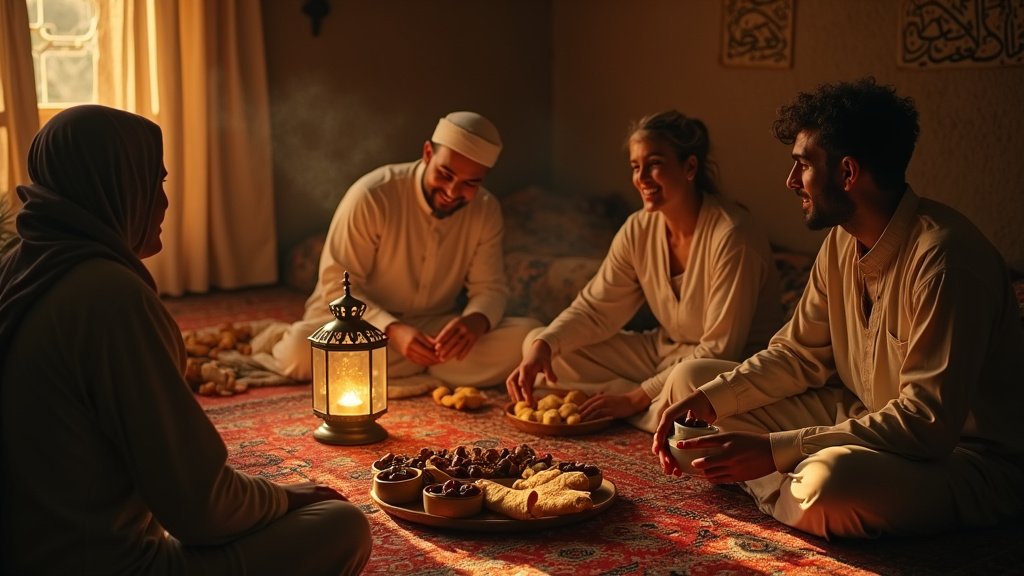
Two primary meals bookend the daily fast. Suhoor is the pre-dawn meal. Iftar is the meal that breaks the fast at sunset. Dates traditionally begin the Iftar meal, offering quick energy. Suhoor provides sustained energy for the day’s fast. Many cultures have unique Suhoor and Iftar customs. In Türkiye, drummers wake people for Suhoor. Cannons signal the end of the fast in parts of Syria and the UAE. Iftar meals often become large community gatherings. Families and friends share food and conversation. This highlights the social aspect of Ramadan.
Embracing Ramadan in the Modern Age
Technology aids Muslims in observing Ramadan. Numerous apps offer accurate prayer times, Quran recitations, and fasting trackers. Popular apps include Muslim Pro and Athan. These tools help manage schedules and deepen spiritual connection. In the UAE, a featured trend is “iftar hikes.” People trek in mountains and deserts to break their fast. This activity blends spirituality with outdoor wellness. It offers a peaceful setting away from city distractions.
Preparing for Ramadan 2026
Ramadan is more than just fasting. It is a period for enhanced prayer, reflection, and charity. Muslims strive to improve self-control and empathy. They aim to cleanse the heart and strengthen faith. The month fosters community bonds. It also encourages generosity and gratitude. This news covers the essential details for observing Ramadan 2026 worldwide. The growing online conversation around Ramadan shows increasing joy and focus on togetherness. Many consumers are seeking authentic experiences and brands that genuinely participate in its rituals.