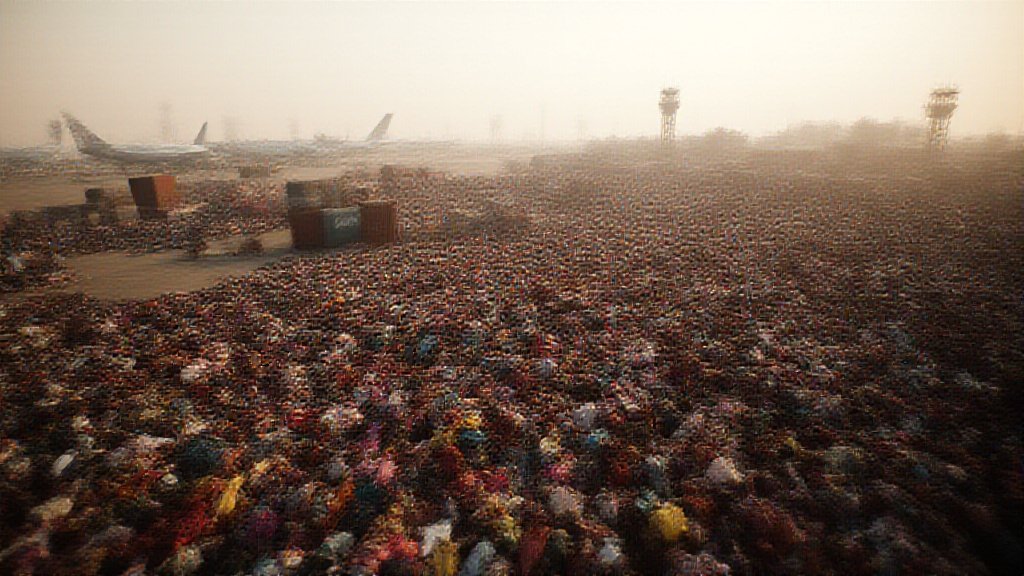
Escalating Middle East conflict now cripples air travel. Major airlines have grounded their flights. This directly impacts global fashion supply chains. Garments from South Asia face severe delays. Thousands of clothing shipments are stuck. They pile up at airports in Bangladesh and India. These nations are key garment manufacturing hubs. Fast fashion brands rely heavily on this production. The conflict has closed vital Middle Eastern airspace. Airlines like Emirates and Qatar Airways cancelled services. This has halted much of the air cargo transit. Many shipments use Gulf carriers. This disruption poses a serious problem.
Airspace Closures Cripple Cargo Routes
The conflict has led to widespread airspace closures. This affects critical routes across the Middle East. Major hubs like Dubai and Doha suspended operations. Airlines have cancelled numerous flights. This includes passenger and cargo services. Global air cargo capacity has dropped significantly. Experts estimate a reduction of over 20%. This impacts shipments connecting Asia and Europe. South Asia depends greatly on these routes. More than half of Bangladesh’s air cargo uses the Gulf. India’s air cargo also relies on this corridor. The loss of these flights creates a bottleneck. It leaves countless shipments stranded.
South Asian Garments Piled High
Manufacturers in Bangladesh and India are struggling. Their factories churn out trending styles for global markets. Shipments destined for Europe are now held up. Companies like Zara’s owner, Inditex, face delays. Shovon Islam of Sparrow Group confirmed this. His company’s consignments are stuck at Dhaka airport. They were meant for the UK. Dubai airport’s shutdown caused major disruption. Other manufacturers report similar issues. Kira Leder in Mumbai also sees delays. Their products head to Europe. This creates a physical pile-up of garments. They cannot reach their destinations on time. This situation threatens the fast fashion model. It relies on rapid delivery. The current news highlights this vulnerability.
Soaring Costs and Limited Options
The flight cancellations drive up shipping costs. Air freight rates have doubled in some cases. This applies to routes from Mumbai to Europe. Finding alternative transport is challenging. New routes are often more expensive. They also involve longer transit times. The reduced air capacity creates a squeeze. This impacts profit margins for manufacturers. Industry leaders express deep concern. They fear a major supply chain crisis. Mohammad Hatem of the Bangladesh Knitwear Manufacturers and Exporters Association noted this. He worries about further disruptions. Potential issues with sea routes loom. The Strait of Hormuz closure could increase sea freight costs. This would add to existing pressures.
Geopolitical Storm Hits Fashion Culture
This event underscores a broader trend. Geopolitical instability now deeply affects global trade. The fashion industry is particularly vulnerable. It depends on complex, just-in-time supply chains. Events far from production sites impact deliveries. The demand for new style and trending items remains high. However, the infrastructure to deliver them is fragile. Consumers expect constant new arrivals. This disruption challenges that expectation. It forces brands to re-evaluate their strategies. Diversification and resilience are key concerns. The global culture of fashion news covers these impacts.
Future Uncertain for Fashion Flow
The conflict’s duration remains uncertain. This adds to the ongoing logistical challenges. Manufacturers are seeking any available options. However, simplicity and cost-effectiveness are scarce. The current situation highlights the interconnectedness of global events. A conflict in one region directly impacts clothing racks in another. The fashion industry must adapt to these growing risks. Streamlined supply chains are now more crucial than ever. Consumers may soon feel the effects of these delays.