Law enforcement agencies are currently defending a female officer’s actions in a viral search video that has ignited a fierce national debate regarding police conduct and procedure. The footage, which has circulated rapidly across major social media platforms over the past 72 hours, shows a traffic stop escalating into a search that many viewers have labeled as overly aggressive or procedurally questionable. As public outcry intensifies, police departments are being forced to address the optics of the situation while balancing institutional defense with demands for transparency and accountability.
- Viral footage depicts a female officer conducting a roadside search of a civilian during a routine traffic stop.
- The video has garnered millions of views, leading to polarized discussions regarding police authority.
- Law enforcement officials have issued statements confirming an internal review of the encounter is underway.
- Civil rights advocates are calling for a broader examination of search and seizure training protocols.
The Deep Dive
The Anatomy of a Viral Controversy
The incident centers on a video clip captured by a bystander, which has since become the focal point of a broader conversation about modern policing. In the footage, a female officer is seen engaging with a civilian after stopping their vehicle. What began as a standard procedure quickly transitioned into a more thorough search. The rapid spread of this video—aided by algorithm-driven social media platforms—allowed the public to witness and scrutinize the interaction in real-time, often without the full context of the preceding minutes.
For law enforcement agencies, the “viral” nature of this video presents a significant communications challenge. Unlike traditional media reports that might wait for official comment, the digital court of public opinion has already delivered a verdict based on the snippet available. Departments are now operating in an environment where the speed of information dictates the narrative, forcing them to respond rapidly to maintain public trust.
Official Responses and Procedural Defense
In statements released to the media, departmental spokespeople have defended the officer’s actions by emphasizing that the search was conducted according to established field protocols. Leadership argues that the officer’s behavior was within the scope of authorized training for high-stress traffic stops. They emphasize that while the video may appear jarring to an outside observer, it represents the reality of safety procedures designed to protect both the officer and the public.
However, this defense has not satisfied critics. Many legal experts and community activists argue that the official reliance on “procedure” fails to account for the psychological impact of such encounters on citizens. The debate has brought to the forefront the long-standing tension between the practical, often confrontational, necessities of police work and the public’s expectation of de-escalation and professional courtesy.
The Impact on Training and Policy
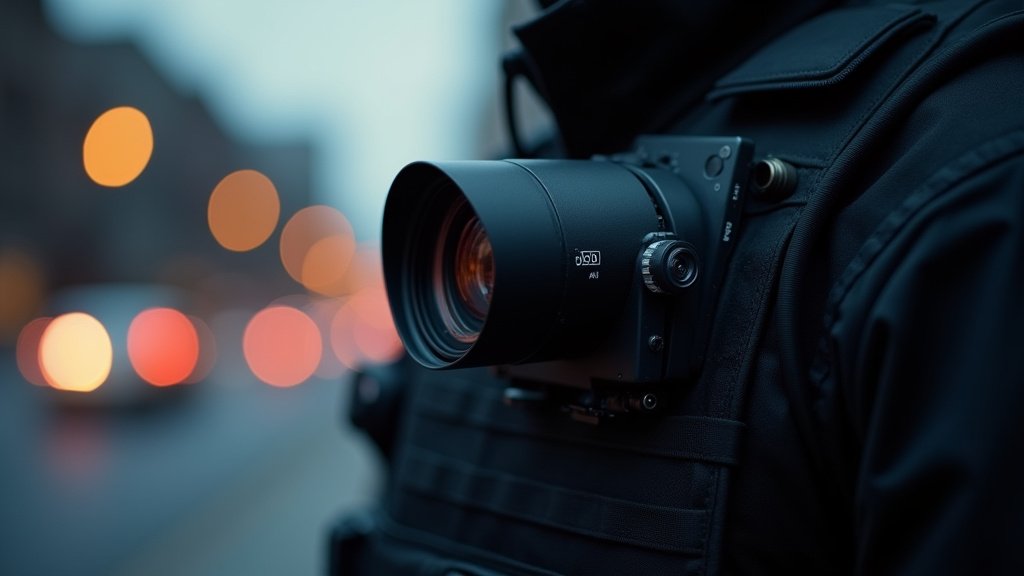
This incident is expected to serve as a catalyst for renewed discussions regarding police training. If the public perceives these actions as excessive, regardless of their legality, it undermines the legitimacy of the department in the eyes of the community. Many experts suggest that the future of policing will rely more heavily on transparency—such as the release of body-worn camera footage to provide context to viral clips. Furthermore, this controversy highlights a growing demand for specialized de-escalation training that emphasizes communication over physical control.
As the investigation proceeds, the pressure on the department to release a full report is mounting. The outcome of this case will likely have implications for how officers across the country approach roadside searches in the future. It remains to be seen whether this will lead to substantive changes in policy or if the department will stand by its initial assessment that the officer’s actions were entirely appropriate given the situation at the time.
FAQ: People Also Ask
What are the standard protocols for a roadside search?
Generally, police can search a vehicle if they have probable cause to believe evidence of a crime is present, or if they have received consent from the driver. Officers are trained to ensure their own safety, which often dictates specific physical stances and compliance measures.
How does social media affect police investigations?
Viral videos force departments to address public concerns quickly, sometimes before a full investigation is completed. This creates pressure to provide immediate explanations, which can be difficult when complex legal and procedural facts are involved.
Can a civilian refuse a police search?
In most jurisdictions, a driver can refuse to consent to a voluntary search of their vehicle. However, if the officer has probable cause or is conducting a search incident to a lawful arrest, they may perform the search regardless of the driver’s consent.