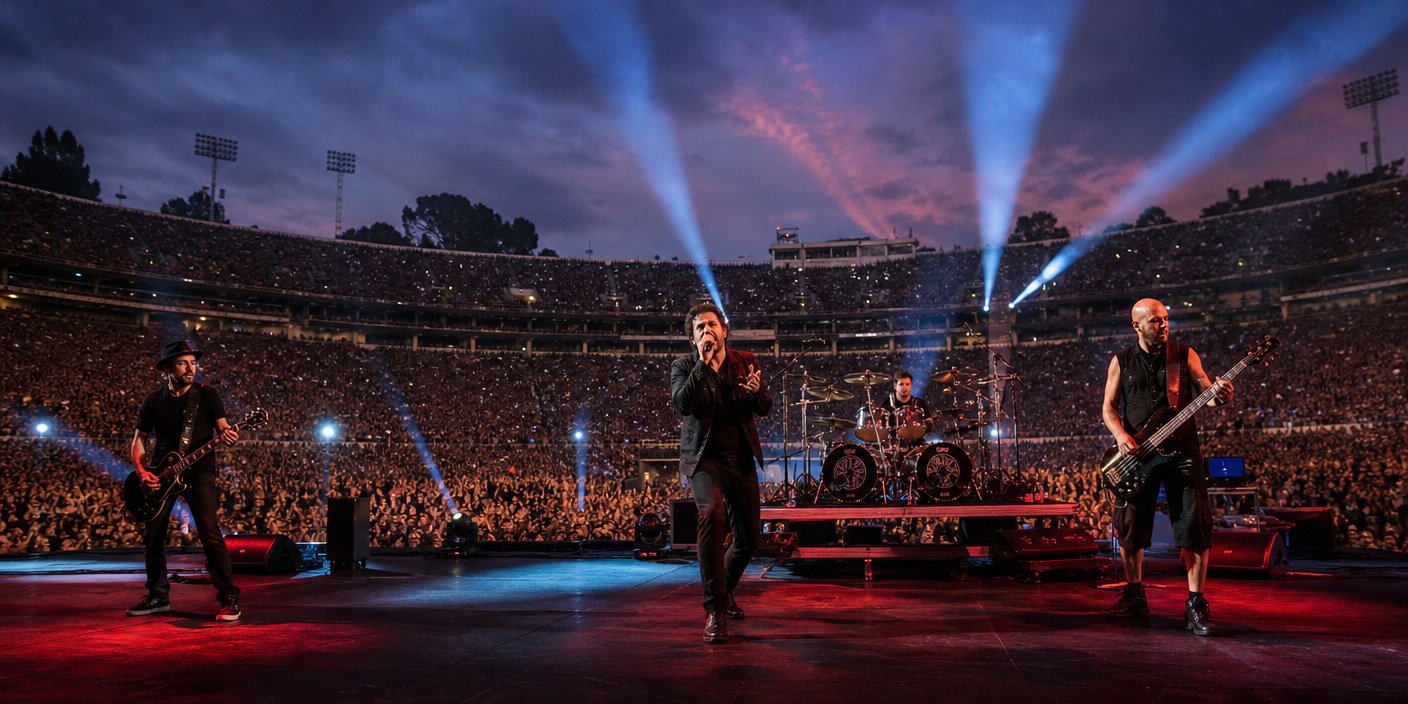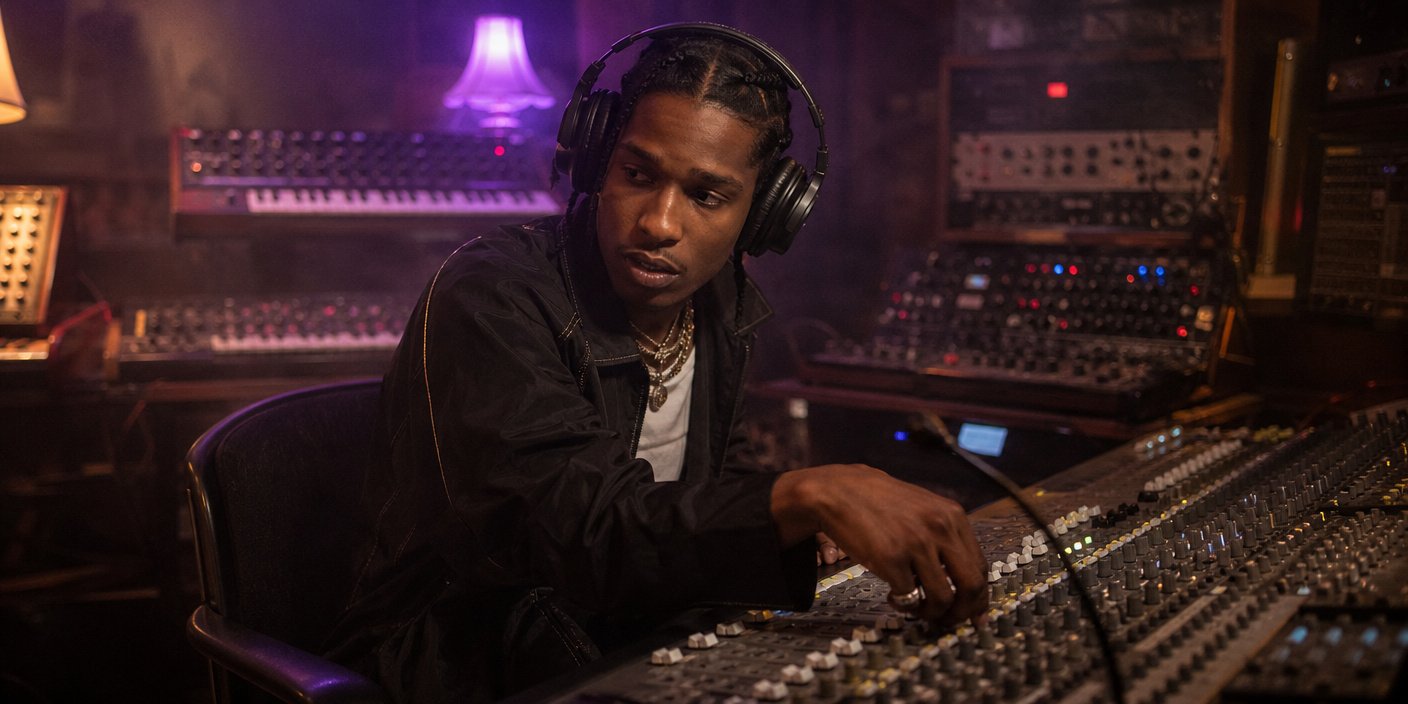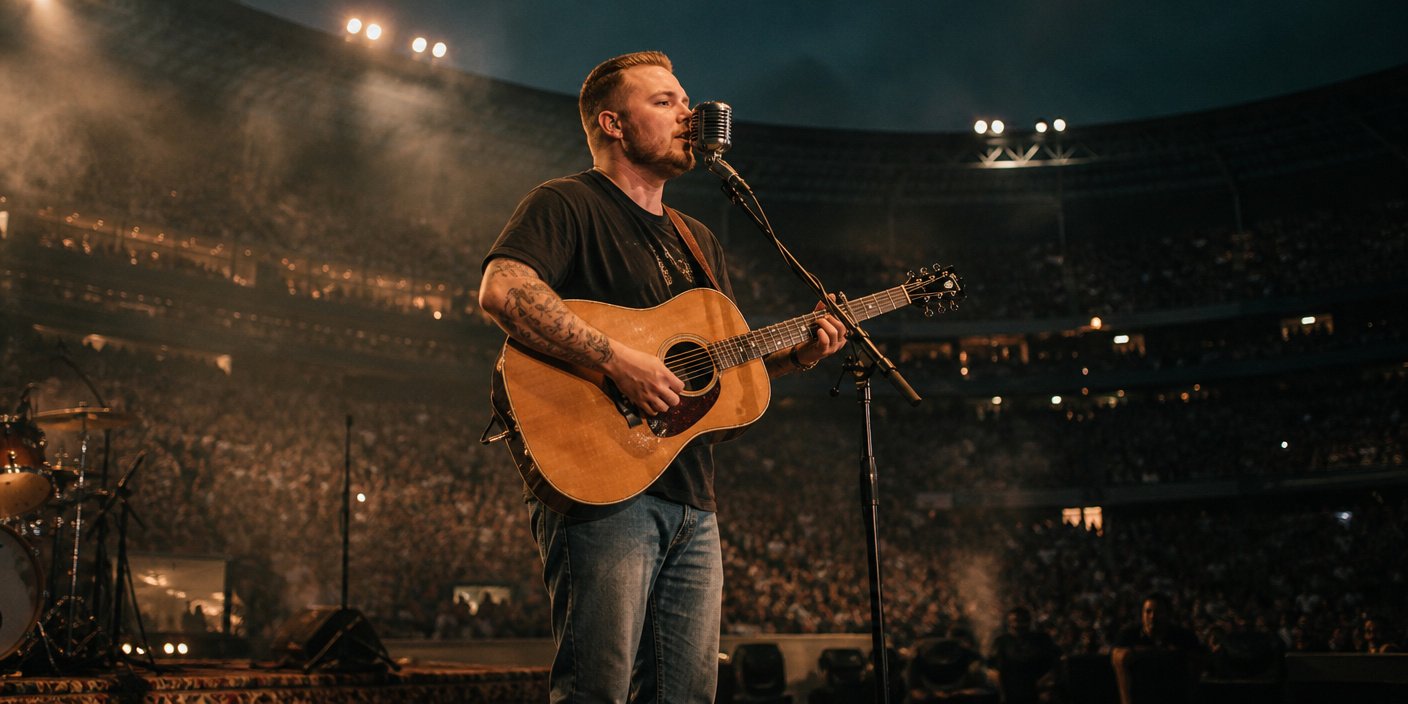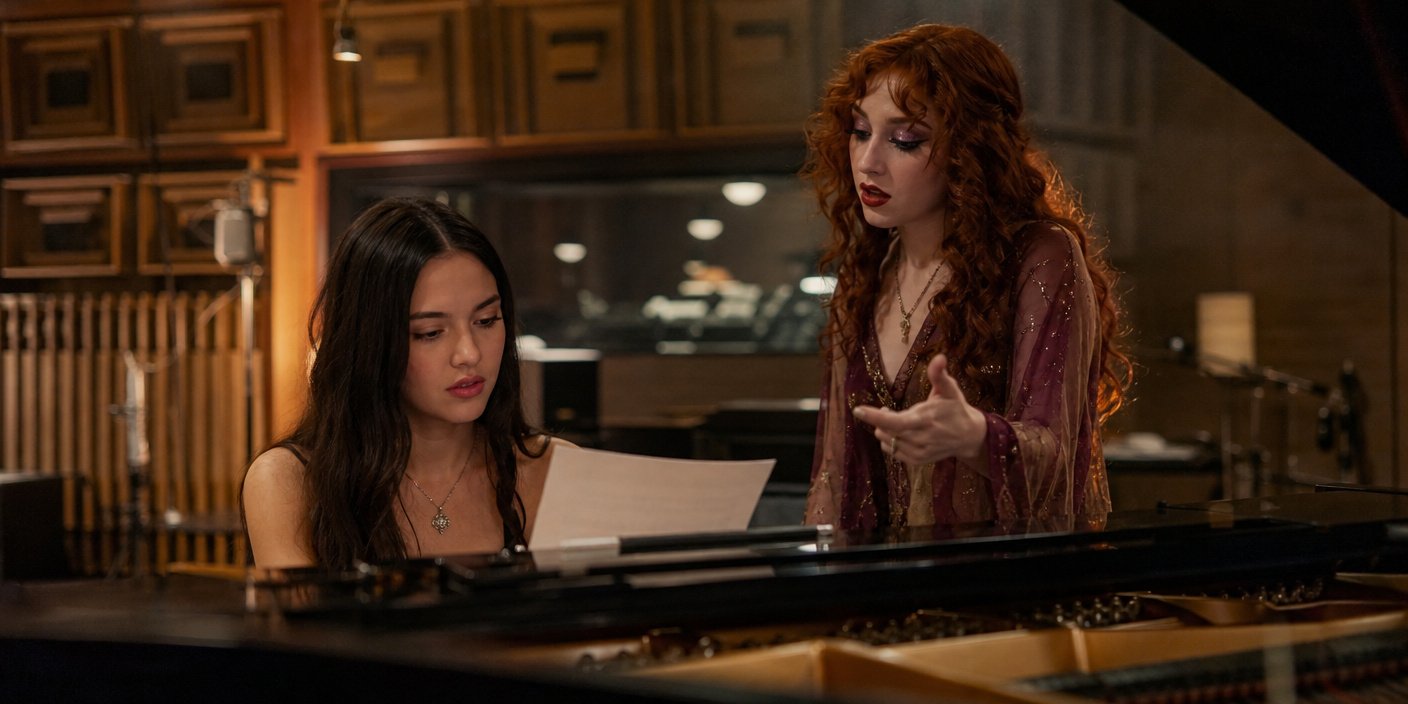
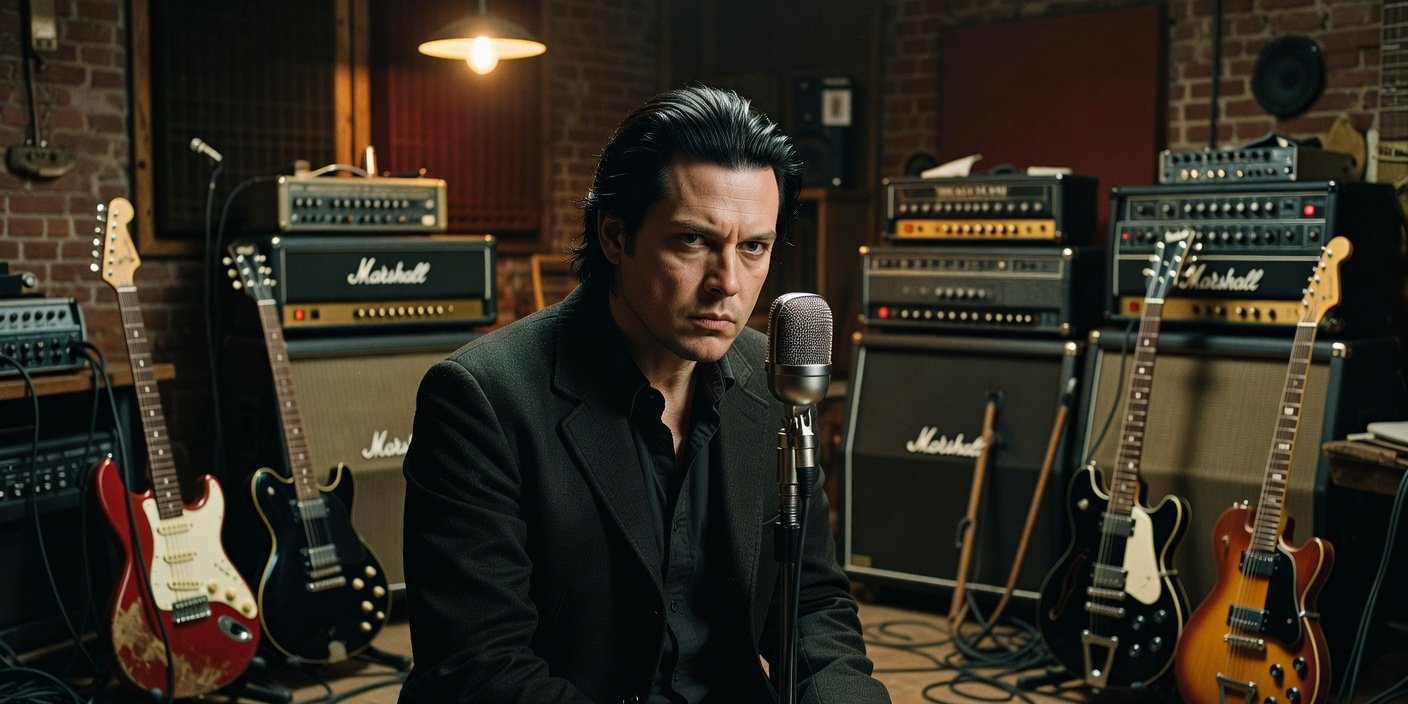
The music industry is currently experiencing a dynamic shift as iconic rock veterans, introspective indie voices, and Hollywood A-listers converge to dominate this week’s cultural conversation. From the raw, unfiltered energy of Jack White’s latest sonic experiments to the evocative, poetic lyricism of Arlo Parks and the surprising viral resonance of Anne Hathaway’s musical endeavors, the current landscape of new music news offers something for every demographic. This intersection of film, fashion, and sonic innovation underscores a broader trend: the complete erasure of boundaries between artistic mediums.
The Sonic Evolution of Jack White
Jack White continues to cement his status as the ultimate musical provocateur. Following a period of relative quiet, his recent output has been characterized by a return to visceral, garage-rock roots blended with experimental synthesis. Analysts note that his approach is not merely about nostalgia, but about challenging the production standards of modern pop. By embracing lo-fi aesthetics in a high-fidelity age, White is forcing listeners to re-evaluate the texture of sound. His presence on this week’s trending charts serves as a reminder that authenticity remains the most potent currency in the digital streaming era. Industry experts highlight that his unpredictable release strategy keeps fans engaged in a way that traditional, data-driven album rollouts fail to achieve.
Arlo Parks and the Rise of Vulnerability
In stark contrast to White’s manic energy, Arlo Parks has carved out a unique space built on radical vulnerability. Her latest releases demonstrate a maturation in songwriting that resonates deeply with a generation seeking emotional literacy in their media. Parks manages to bridge the gap between soulful R&B and contemporary indie-folk, creating a soundscape that feels both intimate and expansive. Her ascent is a testament to the power of the ‘slow burn’ in the music industry. Unlike artists who chase viral, fleeting trends, Parks has cultivated a dedicated community through consistently high-quality, emotionally resonant storytelling. Her influence on the industry’s shift toward more introspective, meaningful lyrical content cannot be overstated.
The Hathaway Effect: Cinema Meets Song
Perhaps the most surprising entry into this week’s music news is the mainstream traction gained by Anne Hathaway’s recent musical performances. While known primarily for her accolades in acting, Hathaway’s willingness to step into the musical spotlight has sparked intense debate regarding the role of ‘multi-hyphenates’ in the streaming age. Her ability to command an audience—combined with high-profile production values—has translated into massive social media engagement. This phenomenon illustrates how Hollywood influence, when paired with genuine vocal talent, can disrupt traditional music industry gatekeeping. Whether this represents a permanent shift toward musical theater-inspired pop or remains a niche cultural moment, it has undeniably captured the attention of both the entertainment press and the music industry establishment, proving that star power remains the ultimate driver of audience discovery in the current landscape.
FAQ: People Also Ask
How are these artists impacting current music trends?
They are diversifying the landscape by blending raw, guitar-driven rock (Jack White), deeply introspective indie-soul (Arlo Parks), and high-production cinematic musicality (Anne Hathaway), proving that genre boundaries are increasingly irrelevant to modern listeners.
Why is Jack White’s recent music gaining so much traction?
White’s music is resonating because it prioritizes authentic, tactile sound design over algorithmic, over-polished production, which appeals to a segment of the audience fatigued by hyper-processed music.
What does Anne Hathaway’s musical success mean for the industry?
It highlights the growing trend of ‘crossover’ success, where actors with established fanbases can significantly disrupt the music charts by leveraging their existing cultural capital and command of performance art.