
A US-brokered 10-day ceasefire between Israel and Lebanon has officially commenced, marking a pivotal, if precarious, pause in the recent escalations of the 2026 Lebanon War. The agreement, which went into force on April 16, represents the first significant diplomatic movement in months, aiming to halt active combat operations and pave the way for negotiations toward a more permanent security arrangement along the shared border. While the cessation of hostilities offers a glimmer of relief for civilians, the status of Israeli forces and the exclusion of Hezbollah from the direct negotiations remain critical points of instability.
Key Highlights
- Timeline: A 10-day cessation of hostilities officially began on April 16, 2026, intended to create a window for diplomatic progress.
- Diplomatic Framework: The deal was facilitated by the United States, marking a rare instance of direct engagement between Israeli and Lebanese officials in the current climate.
- Buffer Zones: Despite the truce, Israeli military forces are set to maintain positions in southern Lebanon, aiming to establish a reinforced security buffer zone.
- Hezbollah Status: Hezbollah is not a signatory to the agreement, and the group has maintained an ambiguous stance, creating ongoing concerns regarding the enforceability of the ceasefire.
- Regional Context: The ceasefire is viewed through the lens of wider regional instability, specifically linked to the ongoing conflicts involving Iran and the broader Middle East security architecture.
The Anatomy of the Israel-Lebanon Ceasefire
The implementation of the 10-day ceasefire on April 16 represents a calculated effort by the United States to de-escalate the volatile situation on the Israel-Lebanon border. The agreement, forged through intensive direct talks between Israeli and Lebanese representatives, is designed to serve as a bridge to a broader peace settlement. For the residents of northern Israel and southern Lebanon, this ceasefire is the first potential respite from the intense exchange of fire that has defined the region throughout the early months of 2026. However, the architecture of this agreement is delicate. It is fundamentally a temporary suspension of active kinetic operations rather than a peace treaty, leaving the fundamental causes of the conflict—disputed borders, security guarantees, and the role of non-state armed groups—to be addressed in subsequent negotiations.
The Security Dilemma in Southern Lebanon
A critical component of the current situation is the positioning of the Israel Defense Forces (IDF) in southern Lebanon. Israeli Prime Minister Benjamin Netanyahu has indicated that while the ceasefire is a welcome diplomatic opening, Israel remains committed to its security objectives. This has translated into a decision to keep Israeli ground forces in place, maintaining what officials describe as a “reinforced security buffer zone.” This approach presents a significant diplomatic and operational friction point. The Lebanese government, under pressure to assert sovereignty, faces the difficult task of managing the internal political fallout of having foreign troops on its soil while simultaneously trying to secure a long-term withdrawal.
The Hezbollah Variable: A Non-Signatory Stakeholder
Perhaps the most complex element of the ceasefire is the position of Hezbollah. As the primary actor on the Lebanese side during the recent combat operations, the group’s exclusion from the direct negotiations is both a strategic maneuver by the US and Israel and a potential pitfall. By negotiating directly with the Lebanese state, the US and Israel are attempting to empower the Lebanese Armed Forces (LAF) and weaken Hezbollah’s influence. However, Hezbollah has signaled that it does not consider itself bound by the same constraints as the Lebanese government. This dichotomy raises the question of whether the ceasefire will hold if the group continues its activity. The effectiveness of the truce depends heavily on whether the Lebanese state can exert enough internal pressure to curtail the group’s operations—a capability that has historically been limited.
Humanitarian Impact and Regional Repercussions
The 2026 Lebanon War has resulted in profound humanitarian consequences, with over 2,000 deaths and more than one million displaced individuals. As news of the ceasefire broke, there was a tentative sense of relief, though it was tempered by caution. Families in southern Lebanon have been warned by the military not to rush back to their homes immediately, citing the continued presence of combatants and the risks of unexploded ordnance.
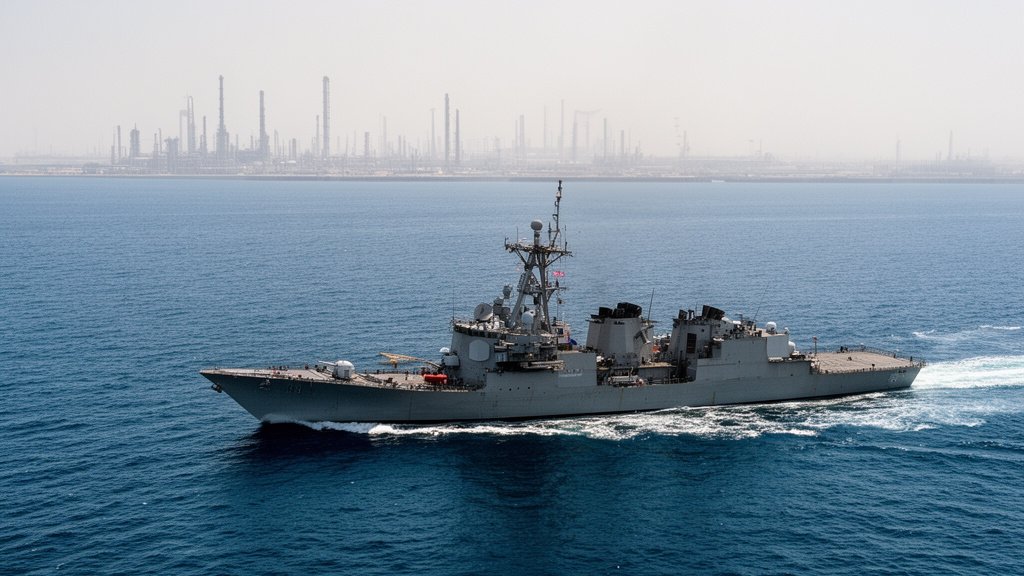
Furthermore, the ceasefire cannot be viewed in isolation. It is intricately linked to the broader regional conflict involving Iran. With the United States actively mediating across multiple fronts, the success or failure of the Israel-Lebanon truce will inevitably influence, and be influenced by, the status of the wider regional ceasefire efforts. The opening of shipping lanes in the Strait of Hormuz, linked to the general de-escalation, highlights how interconnected these regional crises have become. If the Israel-Lebanon ceasefire fails, it could trigger a domino effect, undermining the fragile progress made elsewhere in the region.
FAQ: People Also Ask
What are the main terms of the 10-day ceasefire?
The ceasefire mandates a cessation of offensive military operations (air, sea, and land) between Israel and Lebanon. It is designed to create a period of calm for diplomatic negotiations regarding long-term security, border demarcation, and the assertion of the Lebanese state’s sovereignty over its territory, specifically aiming to disarm non-state actors like Hezbollah.
Is Hezbollah part of the agreement?
No, Hezbollah is not a party to the agreement. The deal was negotiated between the governments of Israel and Lebanon with US mediation. This exclusion is a major point of concern, as the group maintains significant military capabilities in southern Lebanon and has not formally committed to the ceasefire’s constraints.
What happens to the Israeli forces in southern Lebanon?
Despite the ceasefire, Israeli forces are maintaining their positions in southern Lebanon. The Israeli government has stated it intends to use this time to solidify a security buffer zone. The Lebanese government is expected to work toward asserting control with its own armed forces, but the continued presence of Israeli troops remains a contentious issue in the ongoing talks.
Can the ceasefire be extended?
Yes, the initial 10-day period can be extended by mutual agreement between Israel and Lebanon. Such an extension is contingent upon demonstrating progress in diplomatic negotiations and, crucially, the Lebanese government’s ability to effectively curtail the activities of non-state armed groups within its borders.