As the calendar turns toward mid-November, the retail landscape shifts rapidly, transforming into a high-stakes environment where early holiday shoppers chase the perfect balance of quality and affordability. The Today Show has officially entered the fray, releasing a curated trend report that highlights an eclectic mix of goods—ranging from accessible luxury diamond jewelry to viral ‘miracle’ hand creams—starting at the highly competitive price point of $9. This early-season pulse check is not merely a list of products; it is a tactical guide for navigating the inflationary pressures and aggressive marketing strategies that define the modern pre-Black Friday period. As consumers prepare for the Thanksgiving rush, these trends offer a window into what defines ‘value’ in the current economic climate.
The Strategic Shift in Holiday Consumerism
Historically, the period leading up to Thanksgiving was a time of anticipation. Today, it has become the primary theater for aggressive retail competition. The Today Show’s focus on items starting at $9 underscores a significant change: retailers are no longer waiting for Black Friday to launch their best deals. They are aggressively seeking to capture wallet share the moment the autumn leaves start to fade. For the average consumer, this presents a unique challenge—how to distinguish between a genuine seasonal discount and a marketing gimmick. The inclusion of ‘discounted diamonds’ alongside everyday beauty essentials like the ‘miracle’ hand cream suggests a bifurcated shopping strategy: consumers are looking for ‘splurge’ items that are now accessible, paired with essential, high-utility items that keep daily costs low.
The Rise of Accessible Luxury and ‘Dupe’ Culture
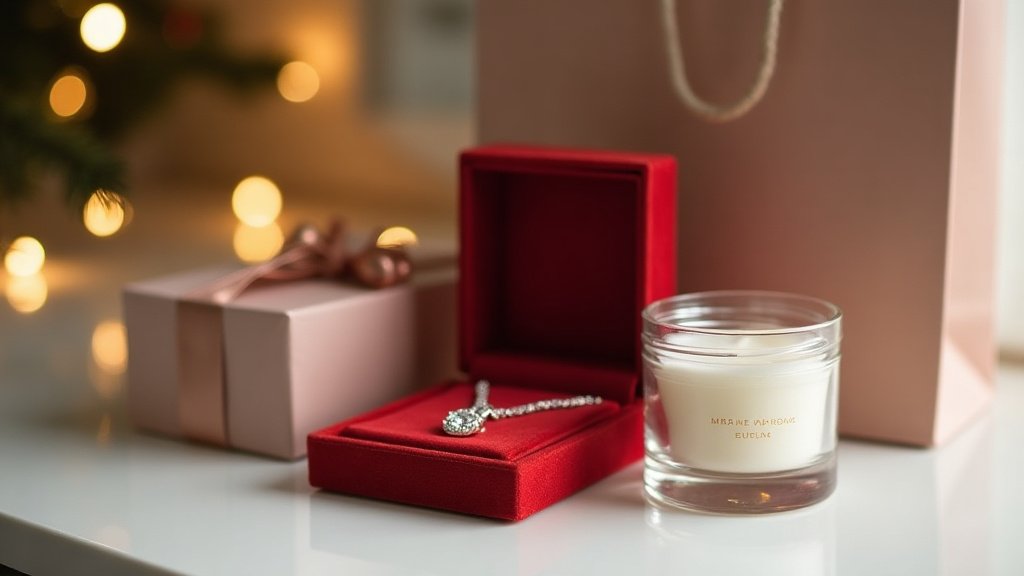
One of the most compelling trends identified in the report is the democratization of luxury, specifically regarding jewelry. The emphasis on discounted diamonds at accessible price points speaks to a growing consumer demand for ‘attainable glamour.’ In previous years, fine jewelry was reserved for significant milestones or exclusive events. Today, we are seeing a shift where jewelry is viewed as an everyday accessory, provided the entry price is right. This trend is inextricably linked to the broader rise of ‘dupe’ culture and the search for high-value aesthetic goods that do not carry the legacy overhead of traditional luxury brands. When experts on the Today Show highlight these items, they are essentially validating the quality and legitimacy of these more affordable diamond options, helping consumers bypass the intimidation often associated with fine jewelry retail.
Decoding the ‘Miracle’ Beauty Phenomenon
The mention of a ‘miracle’ hand cream serves as a case study in modern viral marketing. These beauty products often gain traction through social media platforms like TikTok before hitting the morning show circuit, creating a ‘halo effect’ of credibility. Why a hand cream? As temperatures drop and the skin barrier becomes susceptible to dryness, consumers view skincare as a non-negotiable health investment rather than a luxury. By categorizing a sub-$20 item as a ‘miracle’ product, retailers and media outlets tap into the ‘lipstick effect’—the economic theory suggesting that even in tough economic times, consumers will continue to buy small, affordable luxury items to improve their mood or self-care routine. Understanding this psychological trigger is essential for shoppers who want to get the best value without falling for over-hyped trends that lack clinical efficacy.
Navigating the Retail Landscape: Tips for Success
To effectively leverage these November trends, consumers must adopt a disciplined approach. First, prioritize ‘utility’ items that solve a recurring problem (like dry skin) before moving to ‘discretionary’ items (like jewelry). Second, verify the authenticity of the discounts. When a retailer markets a ‘discounted’ item, cross-reference the price with price-tracking websites. Third, be mindful of shipping lead times. As we move closer to Thanksgiving, logistics networks become congested, and early ordering is the only way to guarantee delivery for the gift-giving season.
The Economic Pulse: Why Early Sales Matter
From a macro-economic perspective, the early rollout of these deals reflects a broader strategy among retailers to spread out the shopping rush and manage supply chain bottlenecks. By incentivizing consumers to buy in mid-November, major retailers can better forecast inventory and staffing needs, avoiding the chaotic ‘one-day-only’ crunch of the past. This benefits the consumer in the form of price stability—if a diamond necklace is discounted now, it is likely to remain at that price point, reducing the anxiety of ‘missing out’ on a better deal later in the month. However, it also means consumers have less time to deliberate, making informed, data-backed shopping more critical than ever.