
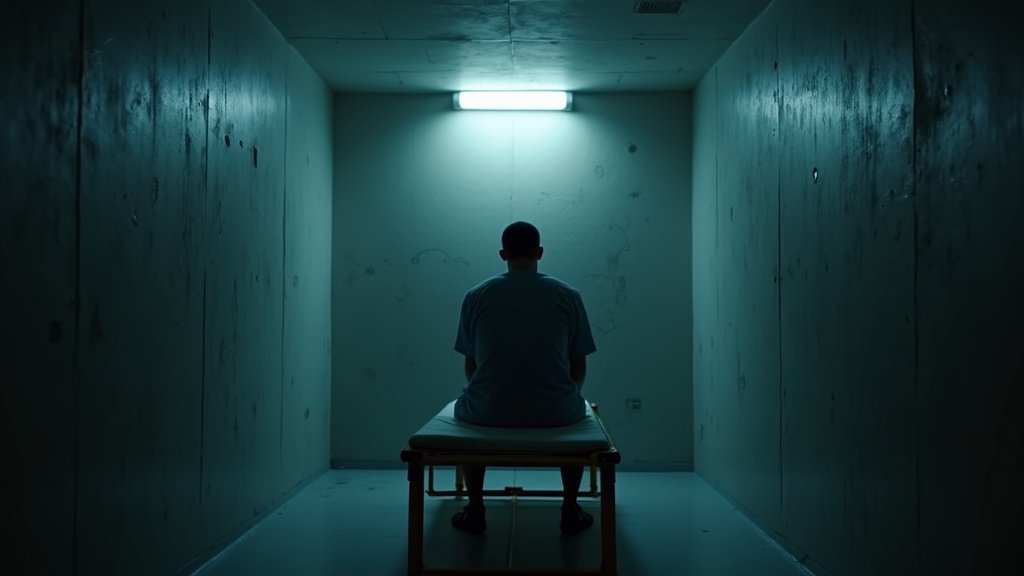
Brenton Tarrant is challenging his convictions. He committed New Zealand’s worst mass shooting. This event occurred in 2019. Tarrant killed 51 people at two mosques. He now claims harsh prison conditions made him irrational. This is why he seeks to discard his guilty pleas.
Background of the Attacks
The tragic events took place on March 15, 2019. Tarrant attacked worshippers at the Al Noor Mosque. He then attacked the Linwood Islamic Centre. His motive was white supremacist extremism. The shootings shocked New Zealand and the world. Tarrant planned the attacks for months.
The Guilty Plea
Initially, Tarrant said he would defend the charges. However, he changed his plea in March 2020. He pleaded guilty to 51 murder counts. He also admitted to 40 attempted murder charges. A terrorism charge was also included. This guilty plea averted a public trial. Officials feared he would use a trial for propaganda. Tarrant received a life sentence without parole. This was a first in New Zealand law.
The Appeal Proceedings
Now, Tarrant is presenting his case to the Court of Appeal. His argument centers on his mental state at the time of his pleas. He claims prison conditions were “torturous and inhumane”. Tarrant states he was in solitary confinement. He had limited reading material and contact with others. He describes isolation and poor mental health. He felt “forced” to plead guilty.
Tarrant’s Claims
He testified he suffered “nervous exhaustion”. He also felt uncertainty about his identity and beliefs. Tarrant said guards played “mental games” with him. He felt unable to make rational decisions. He even claimed he was “near psychotic” at one point. However, he walked back on that specific claim under questioning. He claims a “lack of reading material” severely impacted him.
Crown’s Counterarguments
The Crown lawyer, Barnaby Hawes, challenged Tarrant’s claims. Hawes noted little evidence of serious mental crisis. Prison staff and mental health experts did not document such a crisis. Tarrant admitted he had legal advice throughout the process. Hawes suggested Tarrant had other options. He could have sought a trial delay. He could have also defended himself.
Legal Ramifications
This appeal was filed late. Tarrant filed documents in September 2022, nearly two years after the deadline. He states he lacked access to necessary information. The court is hearing five days of evidence. If Tarrant’s bid succeeds, his case could return to trial. Alternatively, a later hearing would address his sentence appeal. The court’s decision is expected at a later date. This legal battle is a significant happening.
Community Impact
Survivors and victims’ families find this appeal re-traumatizing. They describe it as insensitive and attention-seeking. For many, hearing Tarrant speak is difficult. The ongoing legal process is a trending news item.
An Exclusive Look
This exclusive report details the current proceedings. Tarrant’s claim that prison conditions induced irrationality is central. The court must weigh these arguments. The future of his convictions hangs in the balance. New Zealand watches these developments closely.