
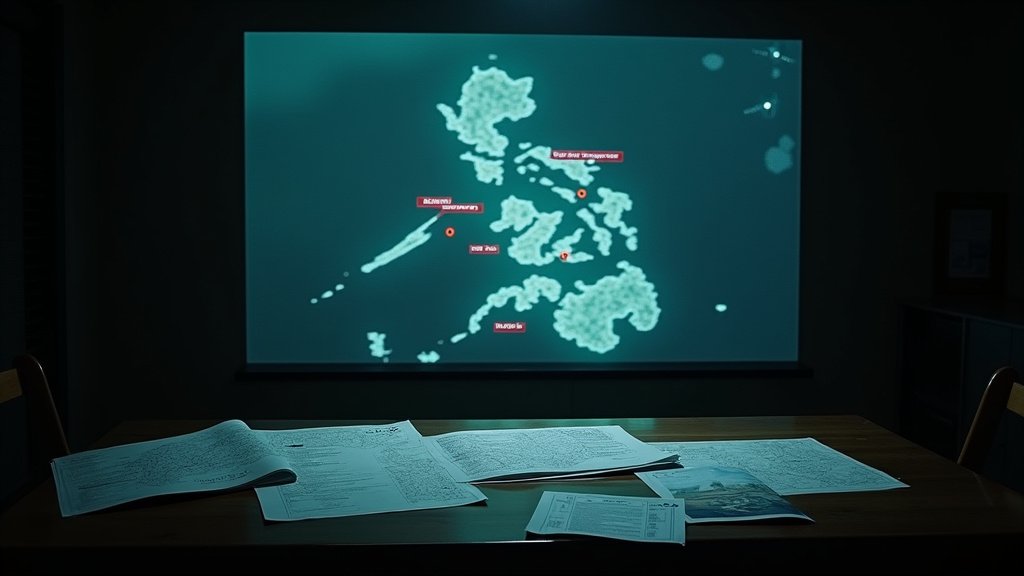
The Philippine Navy has flagged a disturbing trend. Espionage activities are reportedly on the rise. This observation follows recent arrests. Several individuals are suspected spies. They allegedly have ties to China. National security concerns are now more prominent. This news is developing now.
Zambales Arrest Fuels Security Fears
A significant incident occurred recently. Authorities apprehended a Mongolian national. The arrest took place in Iba, Zambales. He was studying at an aviation school. However, he concealed his true background. National Security Adviser Eduardo Año confirmed details. The man was a trained jet fighter pilot. He served in China’s People’s Liberation Army (PLA). His advanced training was at the PLA Air Force Aviation University. He possessed a jet fighter license. This failure to disclose is a serious violation. His activities near vital military areas raise alarms. He reportedly took aerial photographs. These were of Iba Airport and nearby areas. Such actions pose serious national security risks. The Chinese Embassy has denied any affiliation. They urged caution against premature conclusions.
A Persistent Pattern Unfolds
Rear Admiral Roy Vincent Trinidad noted this trend. He serves as the Navy’s spokesperson for the West Philippine Sea. He spoke during a recent press briefing. Espionage incidents show a clear pattern. This trend has persisted for about two years. Tensions with China in the West Philippine Sea continue. Another arrest happened in Bohol. A Chinese national was apprehended there. He allegedly used a fake Philippine driver’s license. He was reportedly posing as a Filipino citizen. Trinidad sees these arrests as linked events. They indicate a growing issue. This pattern suggests deliberate actions.
Military Adapts to External Threats
The Armed Forces of the Philippines (AFP) are now focusing outward. This strategy aligns with the CADC. The Comprehensive Archipelagic Defense Concept guides this shift. Their systems and procedures are adapting. They are actively monitoring external threats. These recent arrests are a direct result of this focus. Law enforcement agencies are coordinating efforts. They work closely with the Bureau of Immigration and the NBI. The goal is to counter these espionage activities.
Historical Context and Legal Gaps
This trend is not entirely new. Past incidents underscore these concerns. A submersible drone was recovered earlier. A former mayor with a questionable background emerged. Three suspected spies were arrested previously. They possessed espionage equipment. Current anti-espionage laws are quite old. Some date back to 1941. Lawmakers are now pushing for updates. Modern methods require modern legal tools. Cyber espionage threats must also be addressed.
Official Statements and Denials
National Security Adviser Año confirmed the Mongolian’s PLA ties. He stressed the violation of immigration laws. The AFP spokesperson affirmed their security mandate. The Chinese Embassy denied the Mongolian’s links to China. They called for an objective investigation. The situation remains under close scrutiny.
Ongoing Vigilance Essential
The Philippine Navy’s warning is clear. Espionage activities are trending upward now. Recent arrests highlight this persistent threat. The country is strengthening its defense posture. Vigilance from all agencies is paramount. Officials are working to safeguard national interests. This developing news requires continued attention.