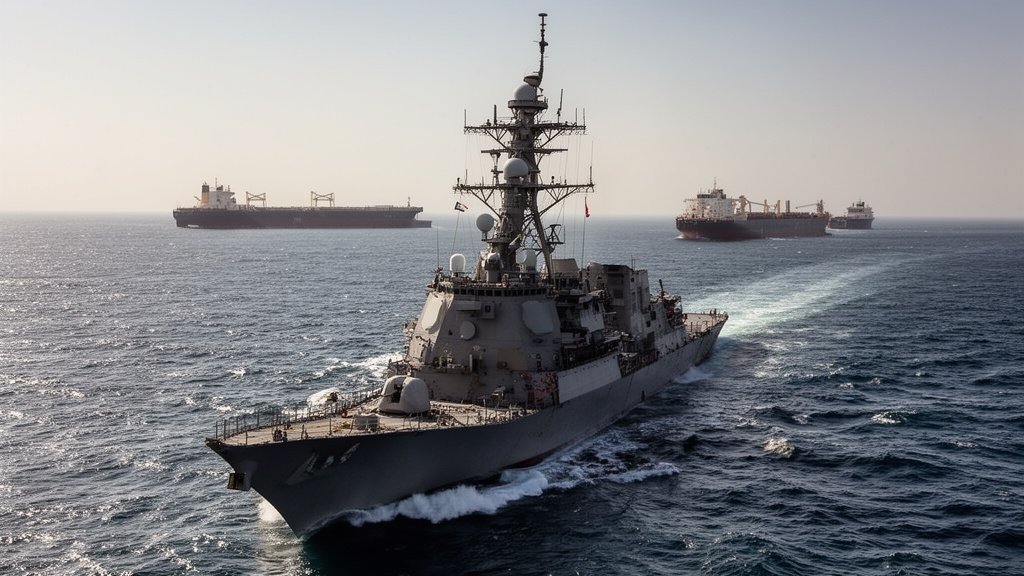

The United States and Iran have reportedly reached a tentative agreement to extend a fragile ceasefire, offering a crucial pause in ongoing hostilities. This development, brokered through indirect negotiations, signals a potential de-escalation of tensions in a region long plagued by conflict.
Key Highlights:
- Tentative ceasefire extension agreed upon by US and Iran.
- Indirect negotiations facilitated the breakthrough.
- Aims to reduce immediate regional conflict and provide humanitarian relief.
- International community cautiously optimistic, monitoring for full implementation.
Diplomatic Breakthrough Amidst Regional Tensions
Amidst a backdrop of heightened regional instability, the agreement to extend the ceasefire between the U.S. and Iran represents a significant, albeit tentative, diplomatic achievement. The terms of the extension, which remain largely undisclosed, are understood to focus on a cessation of hostilities, particularly in proxy-afflicted areas. This pause is critical for allowing humanitarian aid to reach besieged populations and for providing a window for more comprehensive de-escalation talks. The indirect nature of the negotiations, likely mediated by a third party such as Qatar or Oman, underscores the deep-seated mistrust but also the shared interest in avoiding a wider conflagration. The U.S. has consistently sought to de-escalate tensions while maintaining its security interests and those of its allies in the Middle East. Iran, facing domestic pressures and international sanctions, may see the extension as an opportunity to alleviate some of these burdens and refocus on internal development. The success of this extension will hinge on verifiable adherence by all parties involved and their proxies on the ground.
Historical Context of US-Iran Negotiations
Relations between the United States and Iran have been fraught with tension since the 1979 Islamic Revolution. Decades of diplomatic isolation, sanctions, and proxy conflicts have characterized their interactions. Previous attempts at de-escalation have often been short-lived, undermined by shifting political landscapes and unforeseen incidents. The current administration’s approach has aimed at pragmatic, albeit limited, engagements to prevent outright conflict, contrasting with more confrontational policies of the past. Understanding this historical context is crucial to assessing the fragility and potential longevity of any ceasefire agreement. Each step towards de-escalation is hard-won and requires sustained effort to overcome decades of animosity and mistrust.
Economic and Humanitarian Implications
The extension of the ceasefire carries significant economic and humanitarian implications for the region. A sustained reduction in hostilities could alleviate supply chain disruptions, boost investor confidence, and allow for greater economic activity. For populations caught in the crossfire of proxy conflicts, the cessation of violence offers a desperately needed respite. Access to food, medicine, and essential services has been severely hampered by ongoing fighting. This pause could enable international organizations to scale up aid delivery and begin the long process of reconstruction in devastated areas. The potential easing of sanctions, should broader diplomatic progress be made, could also have a profound impact on Iran’s economy, potentially leading to greater stability and improved living standards for its citizens.
Future Outlook and Potential Challenges
While the tentative ceasefire extension is a positive development, significant challenges remain. The underlying political and ideological differences that fuel the conflict have not been resolved. The influence of regional powers and non-state actors who may benefit from continued instability poses a persistent threat to any de-escalation efforts. Furthermore, the strict verification mechanisms needed to ensure compliance with the ceasefire will be complex to establish and maintain. The international community, while hopeful, will likely maintain a cautious stance, awaiting concrete evidence of sustained de-escalation and a commitment to broader diplomatic solutions. The path forward requires continued, robust diplomatic engagement, a willingness to compromise, and a shared commitment to regional peace and security.
FAQ: People Also Ask
What is a ceasefire extension?
A ceasefire extension is an agreement between warring parties to continue a temporary suspension of fighting for an additional period. It signifies a commitment to maintaining a halt in military operations and provides an opportunity for further negotiations or de-escalation.
Why is a US-Iran ceasefire important?
A ceasefire between the US and Iran, or regarding conflicts they are involved in, is important because it can help prevent wider regional wars, reduce civilian casualties, allow for humanitarian aid to reach those in need, and create space for diplomatic solutions to complex geopolitical issues.
What are the challenges in US-Iran negotiations?
Challenges in US-Iran negotiations are numerous and include deep-seated historical mistrust, differing political and ideological objectives, the influence of hardline factions on both sides, regional rivalries, and the complexity of verifying any agreements reached.
Who mediates US-Iran talks?
Mediation in US-Iran talks has often been conducted by neutral third countries or international organizations. Nations like Qatar, Oman, and Switzerland have historically played significant roles as intermediaries due to their diplomatic channels with both countries.
What is the current state of US-Iran relations?
The current state of US-Iran relations is characterized by cautious engagement and persistent strategic competition. While there have been efforts to de-escalate specific conflicts, fundamental disagreements and a history of animosity continue to shape their interactions, marked by sanctions and indirect diplomatic maneuvering.