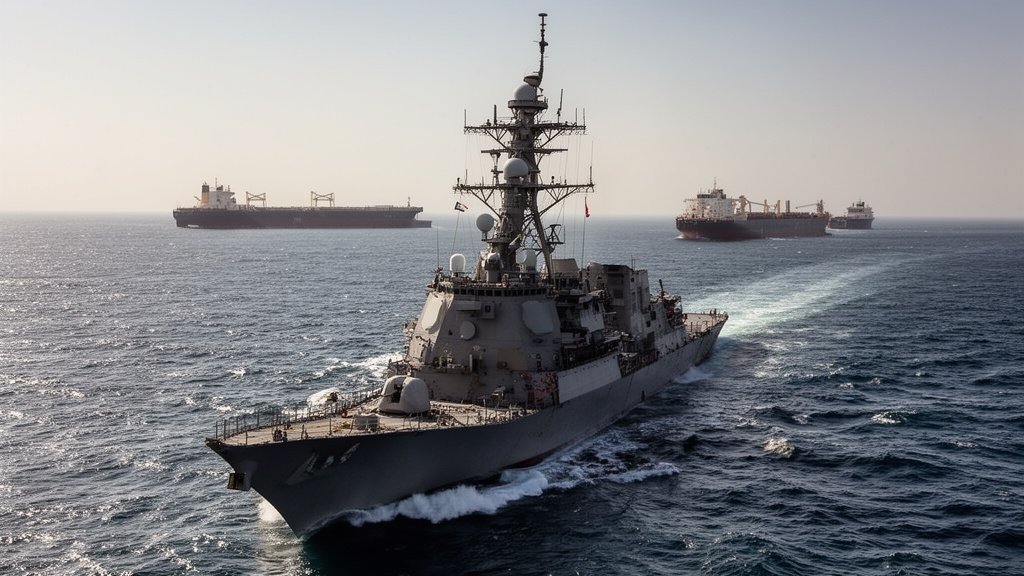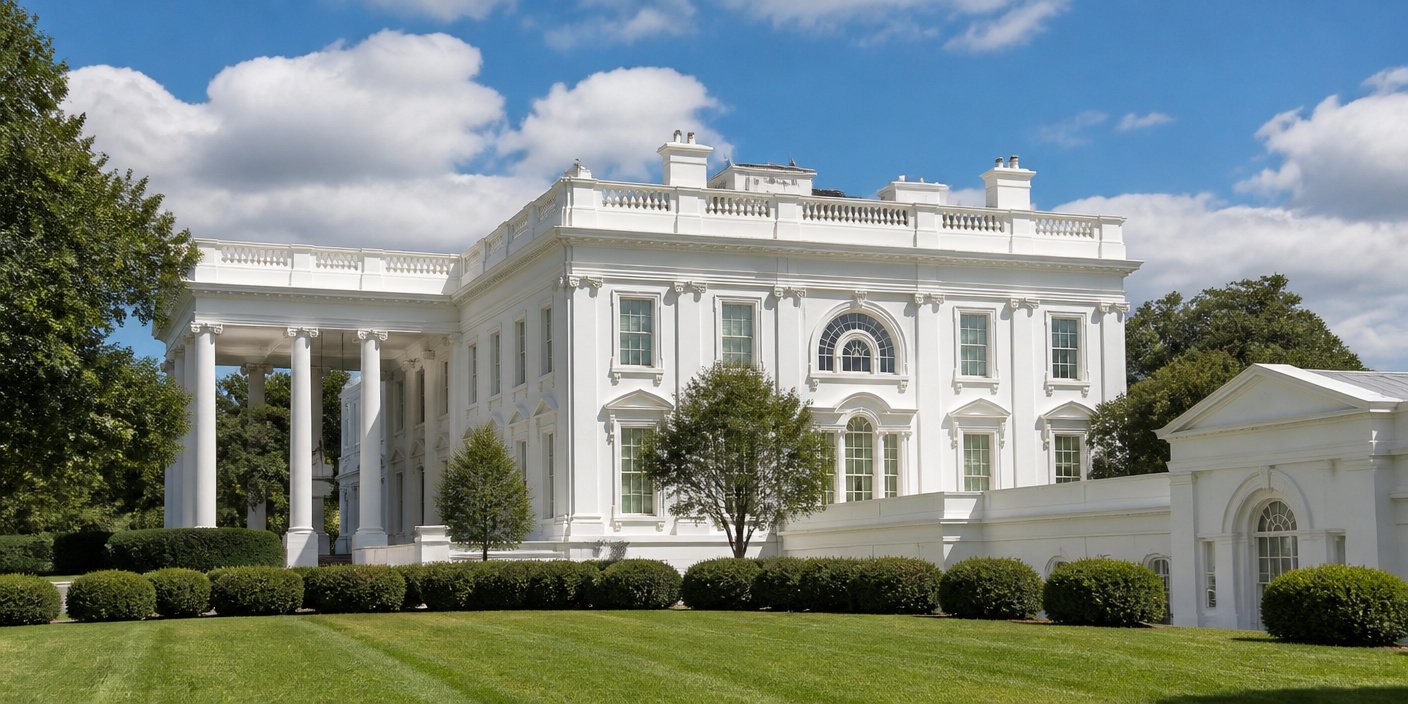

The United States and Iran have reportedly agreed to a ‘stand down’ amid escalating regional tensions, with diplomatic talks slated to take place in Doha, Qatar. This de-escalation follows a period of heightened concern over potential direct conflict.
Key Highlights:
- A mutual agreement between the US and Iran to de-escalate tensions has been reached.
- Diplomatic discussions are scheduled to occur in Doha, Qatar.
- The development aims to reduce the immediate risk of wider regional conflict.
- Details surrounding the specific terms of the ‘stand down’ remain scarce.
Navigating a Fragile Détente
The recent agreement between the United States and Iran to ‘stand down’ represents a critical, albeit fragile, step away from the brink of direct confrontation. For weeks, the region has been on edge, with analysts and international bodies warning of the potential for miscalculation to ignite a broader conflict. The reported accord, brokered through indirect channels, signals a mutual recognition of the catastrophic consequences of further escalation. The choice of Doha as the venue for subsequent talks is significant, given Qatar’s history as a neutral mediator in complex geopolitical disputes, particularly between Washington and Tehran. This development, while offering a glimmer of hope, is being closely monitored by global powers who are keen to see sustained de-escalation rather than a temporary reprieve.
The Diplomatic Labyrinth
Details surrounding the precise nature of the ‘stand down’ are sparse, underscoring the delicate and often opaque nature of US-Iran diplomacy. However, sources suggest that the agreement involves reciprocal measures to reduce military posturing and inflammatory rhetoric. The focus now shifts to the upcoming Doha talks, where negotiators will reportedly seek to build upon this initial de-escalation and address underlying grievances. The agenda is expected to cover a range of issues, though specifics are yet to be confirmed. The presence of key diplomatic figures from both nations in Qatar will be closely watched as a barometer of the seriousness with which both sides are approaching these discussions.
Regional Repercussions and Hopes
The potential for a broader conflict in the Middle East has loomed large, with spillover effects threatening to destabilize neighboring countries and disrupt global energy markets. This reported de-escalation, therefore, carries significant implications for regional security. While the immediate threat may have receded, the underlying geopolitical tensions remain. The international community, including the United Nations and key European allies, has largely welcomed the news, urging both parties to uphold the agreement and engage in constructive dialogue. The success of the Doha talks will be crucial in determining whether this ‘stand down’ evolves into a more enduring period of stability or proves to be a temporary pause.
Historical Context of US-Iran Relations
Understanding the current détente requires a look at the complex and often contentious history between the United States and Iran. Since the 1979 Islamic Revolution, relations have been characterized by deep mistrust, punctuated by periods of overt hostility and intermittent, often failed, attempts at diplomatic engagement. The Trump administration’s withdrawal from the Joint Comprehensive Plan of Action (JCPOA) in 2018 and the subsequent imposition of stringent sanctions significantly exacerbated tensions. The current administration has sought to revive diplomacy, but progress has been slow and fraught with challenges. This latest ‘stand down’ and planned talks in Doha can be seen as a continuation of these long-standing efforts to navigate a path towards reduced hostility, albeit under new and pressing circumstances.
Economic and Security Implications
The economic ramifications of prolonged regional instability are profound. The Middle East is a vital hub for global energy supplies, and any disruption can lead to significant price volatility. A sustained period of de-escalation could provide much-needed stability to global markets. From a security perspective, a reduction in tensions would alleviate pressure on countries heavily involved in regional security architectures, such as Saudi Arabia and the UAE, allowing them to focus on domestic development and other pressing issues. For Iran, a reduction in the risk of conflict could also ease the pressure of international sanctions, potentially offering some economic relief. The careful balancing act now involves ensuring that any steps taken towards normalization do not undermine existing security arrangements or create new vulnerabilities.
FAQ: People Also Ask
What does ‘stand down’ mean in this context?
In this context, ‘stand down’ refers to an agreement between the US and Iran to reduce military posturing, de-escalate aggressive rhetoric, and take steps to avoid actions that could lead to direct conflict. It signifies a mutual commitment to lower the immediate temperature of their interactions.
Why is Doha a common venue for US-Iran talks?
Doha, Qatar, has become a frequent venue for indirect negotiations between the US and Iran due to Qatar’s long-standing policy of neutrality and its established diplomatic channels with both nations. Qatar has a track record of facilitating sensitive discussions in complex geopolitical situations.
What are the potential outcomes of the Doha talks?
Potential outcomes of the Doha talks range from a sustained de-escalation of tensions and adherence to the ‘stand down’ agreement, to more substantive discussions on specific regional security issues or a revival of nuclear diplomacy. However, given the history of mistrust, modest expectations are generally advised.
How do regional actors view this development?
Regional actors, while cautiously optimistic, are likely to be closely observing the progress of the Doha talks. Many have been caught in the crossfire of US-Iran tensions and would welcome a period of genuine stability. However, the success of this de-escalation will impact regional power dynamics significantly.
What is the historical significance of US-Iran diplomatic efforts?
US-Iran diplomatic efforts have historically been challenging, marked by deep-seated mistrust stemming from the 1979 revolution and subsequent geopolitical events. Past attempts at dialogue, such as the JCPOA negotiations, have seen periods of success followed by significant setbacks, highlighting the persistent difficulties in achieving lasting diplomatic breakthroughs.