As autumn foliage blankets the United States, a distinct surge in travel activity emerges, characterized by high-participation agritourism and cultural festivals. These must-visit fall events are not merely recreational; they represent a significant sector of the domestic travel economy, drawing millions of visitors to rural and semi-rural locations. For the 2024 travel season, data suggests a renewed consumer interest in immersive, high-quality, long-form seasonal celebrations that offer a departure from standard commercial entertainment.
Key Highlights
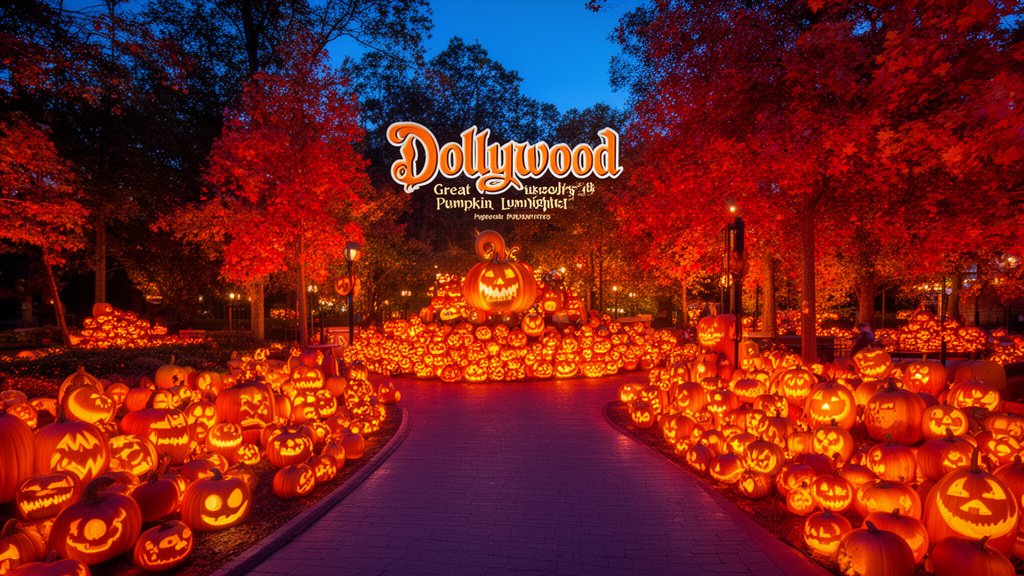
- The Great Pumpkin LumiNights at Dollywood: Located in Pigeon Forge, Tennessee, this event features millions of pumpkins and is a keystone of the Herschend Family Entertainment autumn portfolio.
- New Jersey’s Great Pumpkin Festival: Held at the Sussex County Fairgrounds, this event remains the premier agritourism destination in the tri-state area, emphasizing local agriculture and seasonal craft.
- Helen, Georgia’s 54th Oktoberfest: A historic tribute to Bavarian Alpine heritage, this event is recognized for its longevity and sustained economic impact on the Appalachian region.
- Carolina Renaissance Festival: Spanning hundreds of acres in Huntersville, North Carolina, this event serves as a massive cultural touchpoint for historical reenactment enthusiasts.
Navigating the Premier Seasonal Destinations
The fall festival landscape in the United States has evolved into a sophisticated industry. Travelers are no longer seeking simple roadside attractions; they are hunting for complex, multi-day experiences. The following locations have solidified their status as the ‘must-visit’ nodes on the national map for Q4 travel.
Dollywood: The Pinnacle of Immersive Harvest
Situated in the heart of the Great Smoky Mountains, the Dollywood Harvest Festival (Pigeon Forge, TN) has become the gold standard for high-production seasonal tourism. The ‘Great Pumpkin LumiNights’ installation is the specific driver of this success, utilizing advanced lighting technology to transform the park into a glowing landscape of millions of pumpkins. This is not a static display; it is a meticulously engineered environment that generates high-volume foot traffic and provides a significant economic buffer for the local Pigeon Forge hospitality sector during the shoulder season. The integration of technology—specifically the synchronized light-and-sound shows—reflects a broader industry trend where theme parks blend traditional seasonal aesthetics with modern digital entertainment.
The Sussex County Agrarian Experience
In Northern New Jersey, the Great Pumpkin Festival at the Sussex County Fairgrounds offers a more grounded, community-focused alternative to the theme park model. This event is critical to understanding the current state of agritourism in the Northeast. Unlike the commercial polish of Dollywood, this festival focuses on the tactile, raw elements of fall: massive pumpkin harvests, livestock displays, and hyper-local farm-to-table culinary experiences. It acts as a preservation tool for the region’s agricultural roots, allowing visitors to engage directly with rural farming practices in an increasingly suburbanized corridor. For travelers, it offers a necessary grounding experience, emphasizing the seasonal harvest over spectacle.
Bavarian Tradition in the Blue Ridge Mountains
Helen, Georgia, presents a unique case study in cultural transplantation. The town’s 54th annual Oktoberfest is a testament to the longevity of niche cultural festivals. What began as a strategic effort to revitalize the town’s economy in the late 20th century has transformed into an institution that draws international attention. The architecture of Helen, which features distinct Bavarian styling, creates a hyper-realistic backdrop for the festivities. The significance here is not just in the beer and food, but in the sustained commitment to a cohesive, immersive narrative that has survived for over five decades. It serves as an example of successful place-making through consistent seasonal branding.
Renaissance Reenactment and Living History
Finally, the Carolina Renaissance Festival in Huntersville, North Carolina, offers a different temporal escape. This event is a primary node in the American ‘Renaissance Faire’ circuit. Covering extensive grounds, it invites visitors to participate in a living history environment. The economic impact of this festival is substantial, supporting a massive network of independent artisans, performers, and local vendors who travel the circuit. Unlike the other festivals on this list, the Carolina Renaissance Festival is structured around user-generated participation; the guests are as much a part of the performance as the hired actors. It is this interactivity that ensures high repeat-visitor rates, a metric often overlooked by standard event planners.
The Secondary Angles: Analyzing the Fall Tourism Boom
To fully understand why these specific events top the bucket lists of 2024, one must look beyond the entertainment value to the secondary factors currently shaping the travel market.
The Rise of the ‘Experience Economy’
There is a measurable shift in travel spending: tourists are increasingly prioritizing ‘experiences’ over traditional luxury retail. Events like the Dollywood Harvest Festival capture this trend perfectly. Visitors are not paying just for entry; they are paying for the social currency of the experience and the emotional release of seasonal immersion. This shift has forced event organizers to raise the bar on production value, turning simple autumn fairs into full-scale theatrical productions.
Historical Preservation and Local Identity
Festivals like Helen’s Oktoberfest and the Carolina Renaissance Festival function as unintentional preservationists. By curating environments that celebrate specific cultural or historical touchpoints—whether Bavarian heritage or medieval reenactment—these events preserve local identities in the face of homogenization. They provide a space where regional culture is not just remembered but enacted, giving communities a distinct ‘brand’ that is marketable to national tourists.
Agritourism and Sustainability
The New Jersey Great Pumpkin Festival highlights a growing trend of sustainability in travel. As urban centers become more crowded, there is a clear exodus of weekend travelers seeking out agrarian spaces. This helps keep local farms solvent. By integrating these agricultural sites into the ‘bucket list’ of top-tier events, these locations can maintain their lands against real estate development, proving that seasonal tourism can be a viable strategy for rural land preservation.
FAQ: People Also Ask
Q: What is the peak time to visit these festivals for the smallest crowds?
A: For events like the Carolina Renaissance Festival and Helen’s Oktoberfest, weekday attendance—specifically mid-week Tuesday through Thursday—drastically reduces wait times. For Dollywood’s LumiNights, aiming for early-to-mid September, before the peak October school fall break weeks, is the recommended strategy.
Q: Are these events accessible for families with young children?
A: Yes. All four locations are designed as family-centric environments. Specifically, the Sussex County Great Pumpkin Festival and Dollywood provide dedicated ‘kid zones’ and educational agricultural exhibits that are distinct from the adult-oriented programming.
Q: Do I need to purchase tickets in advance for these events?
A: Absolutely. Due to recent surges in attendance, many of these venues, particularly the Carolina Renaissance Festival and Dollywood, have implemented capacity limits. Pre-booking online is not just recommended; it is often required to guarantee entry, as day-of tickets are frequently sold out by early morning.
Q: How do these festivals impact local traffic and accommodation?
A: These events are major regional economic drivers. In towns like Helen, GA, and Pigeon Forge, TN, hotel capacity hits 100% occupancy during peak weekends. Visitors are strongly advised to secure lodging at least 3 to 6 months in advance if planning a visit during the height of the October season.