The Shift Toward Domestic Production
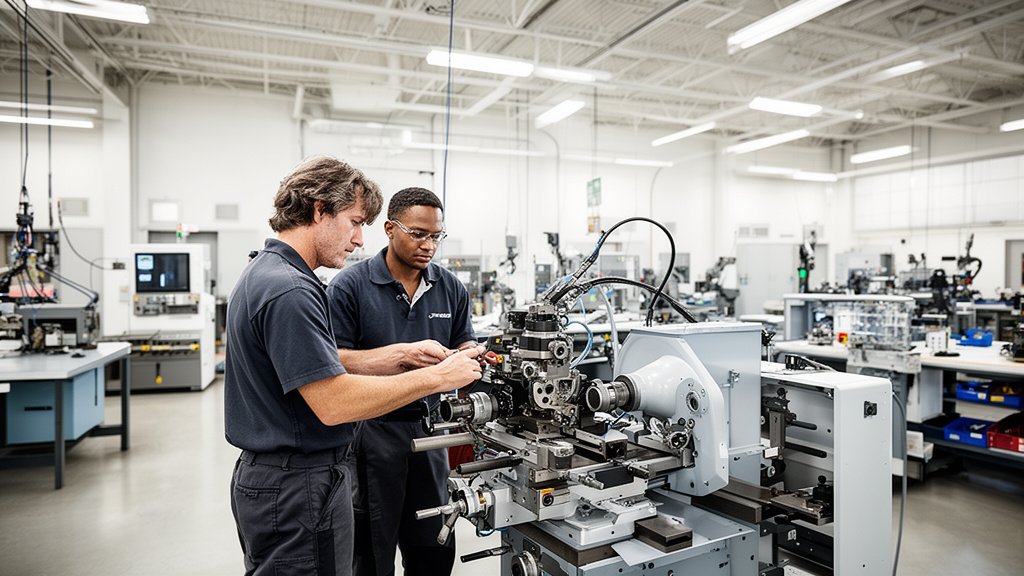
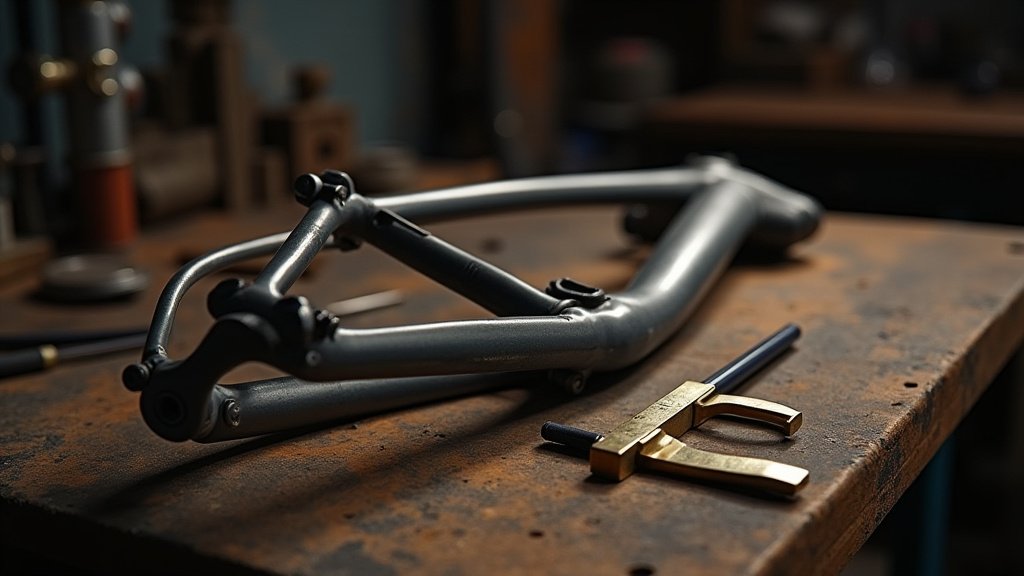
The landscape of the American bicycle industry is undergoing a significant transformation as major manufacturers pivot their focus toward domestic production, fueled by a robust lobbying effort for trade protection. Central to this movement is a CEO who has become an outspoken proponent of “reshoring” manufacturing capabilities, arguing that relying on overseas supply chains—particularly those in regions with lower labor costs and fewer regulatory hurdles—is no longer sustainable for long-term economic stability. This push for made-in-the-USA children’s bikes is framed not merely as a business decision, but as a patriotic endeavor aimed at reclaiming market share from entrenched international competitors.
At the heart of this strategy is the strategic application of tariffs. By advocating for increased import taxes on foreign-made bicycles, these domestic manufacturers aim to level the playing field, making imported goods less price-competitive and incentivizing retailers and consumers to choose domestically produced alternatives. Proponents argue that these trade barriers are essential to counteract what they describe as unfair market practices abroad, while critics warn that such measures could lead to higher prices for families already managing tight budgets.
The Economic Argument for Tariffs
The economic theory underpinning this push rests on the belief that protecting domestic infant industries—or in this case, attempting to revitalize an aging domestic industrial base—requires a period of insulation from aggressive foreign competition. The CEO leading this charge posits that the loss of manufacturing jobs over the past three decades has decimated the technical expertise required to sustain a modern, efficient production line in the United States. By enforcing tariffs against rivals, the company argues it can create the necessary breathing room to invest in advanced automation and workforce training without being undercut by manufacturers operating under significantly different economic models.
Furthermore, this strategy is intrinsically linked to broader supply chain resilience. The logistical disruptions experienced globally over the past few years have highlighted the vulnerability of long-distance manufacturing. By localizing production, companies like this one seek to shorten delivery windows, improve quality control, and reduce the carbon footprint associated with international shipping. This shift represents a broader trend in American industrial policy, where companies are increasingly betting that national security and supply chain reliability will become as important to consumers as the final price tag.
Challenges and Industry Pushback
However, the path toward a fully American-made bicycle industry is fraught with obstacles. Industry analysts have pointed out that raw materials, particularly aluminum and steel, are often sourced globally, meaning that even a bike assembled in the U.S. may still be subject to fluctuating global commodity prices. Additionally, the labor cost gap remains a formidable barrier. To remain competitive with massive overseas factories, domestic manufacturers must invest heavily in high-level automation, which requires significant capital expenditure and a highly skilled workforce, neither of which can be scaled overnight.
There is also a palpable concern regarding the impact on consumer choice. Families looking for affordable options for their children may find that the tariff-driven price increases make cycling less accessible. The balancing act for policymakers, therefore, is to support domestic manufacturing without triggering a inflationary cycle that disproportionately affects working-class families. As the debate continues, this CEO’s aggressive stance against rivals remains a focal point in the broader conversation about the future of global trade and the viability of domestic industrial renewal.