
Detroit’s vibrant food scene has welcomed a new and exciting addition with the opening of Baobab Fare, a restaurant specializing in East African cuisine. Owned and operated by Nadia Nijimbere and Hamissi Mamba, a couple who arrived in Detroit as refugees from Burundi, Baobab Fare represents more than just a place to eat; it’s a testament to their resilience, a celebration of their culture, and a beacon of opportunity for others. The restaurant, located in the New Center neighborhood, is notable for being one of the first, if not the first, dedicated East African eateries in the downtown Detroit area.
The couple’s journey to opening Baobab Fare was fraught with challenges. Fleeing persecution in Burundi, Nadia arrived in Detroit in 2013, followed by Hamissi in 2015. They found refuge and support at Detroit’s Freedom House, an organization that assists asylum seekers and victims of political violence. It was here, amidst the process of rebuilding their lives, that the dream of Baobab Fare began to take shape. Their commitment to sharing their heritage is evident in the menu, which features traditional dishes prepared with the authentic flavors and spices of East Africa, including those from their native Burundi.
From Pop-Ups to a Permanent Home
Before establishing a brick-and-mortar restaurant, Nijimbere and Mamba built a strong following through a series of successful “pop-up” events and participation in local festivals. These events were crucial in introducing their unique cuisine to Detroiters and often sold out within hours, demonstrating a clear demand for East African food in the city. This grassroots success, coupled with their entrepreneurial spirit, attracted significant support. In 2017, they were awarded a $50,000 grant from Hatch Detroit, a business incubator competition, which provided crucial seed money for their venture. More recently, Baobab Fare received a $50,000 award from Motor City Match, a program that supports small businesses in Detroit.
The vision for Baobab Fare extends beyond serving food. The restaurant is also committed to creating employment opportunities for other refugees and asylum seekers, providing them with a chance to integrate into the American workforce and build stable futures. This inclusive approach not only strengthens the East African community in Detroit but also enriches the city’s cultural tapestry. The Mambas aim to make Baobab Fare a gathering place, a hub where diverse individuals can connect and share experiences over delicious food.
A Taste of Burundi in Detroit
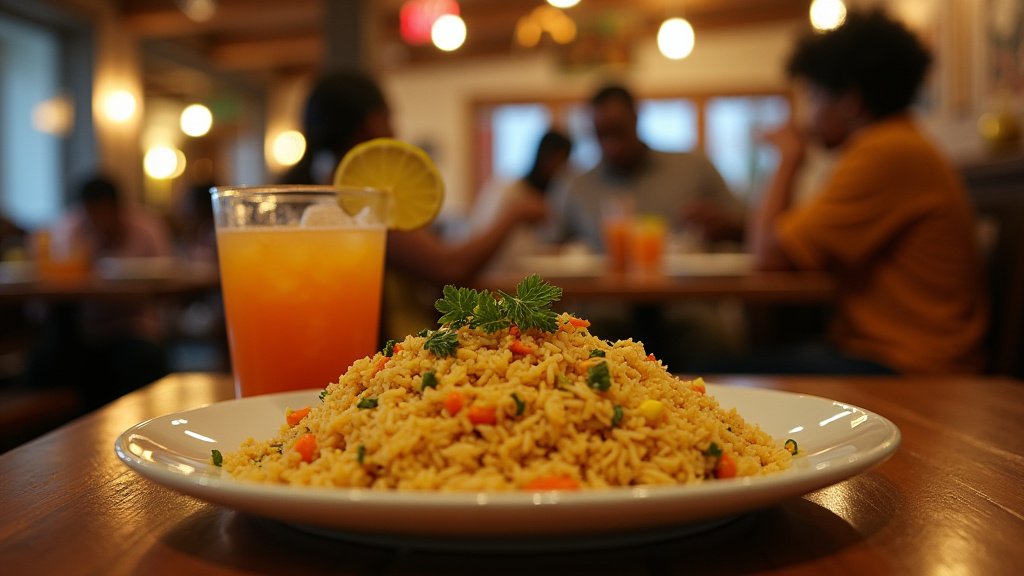
The menu at Baobab Fare is a carefully curated selection of dishes that represent the heart of East African culinary traditions. Offerings include fragrant rice pilau, slow-cooked goat and chicken stews, and flavorful vegetable dishes like spinach with peanut sauce. They also plan to import unique East African fruits and offer freshly made juices and coffee, further immersing diners in the cultural experience. The restaurant also includes a market section offering East African groceries and retail products, providing a broader taste of the region.
Nadia Nijimbere, a skilled cook whose mother also loved to cook, draws inspiration from her family’s recipes, ensuring that the food served at Baobab Fare is prepared with love and tradition. Her culinary talents were further showcased when she won an episode of the Food Network’s “Chopped,” a remarkable achievement that highlighted her skills and dedication. She generously donated her prize money to Freedom House, underscoring her commitment to supporting the refugee community.
The success of Baobab Fare is a powerful narrative of perseverance and cultural contribution. It demonstrates how refugees can not only find safety and opportunity but also significantly enrich the social and economic fabric of their new home. By sharing their cherished culinary heritage, Nijimbere and Mamba are building bridges and fostering a deeper understanding and appreciation of East African culture within Detroit.