President Donald Trump issued a stern warning to Tehran on Monday, threatening the widespread destruction of Iran’s energy resources and vital civilian infrastructure if a deal to end the ongoing war is not reached “shortly.” This latest ultimatum, delivered via social media and reinforced by earlier interviews, underscores the precarious nature of the current diplomatic efforts aimed at de-escalating the conflict. Trump stated that while progress is being made, he remains prepared to broaden the U.S. offensive to target critical assets, including power plants, oil wells, Kharg Island, and potentially desalination facilities, should the Strait of Hormuz not be immediately reopened to international commerce.
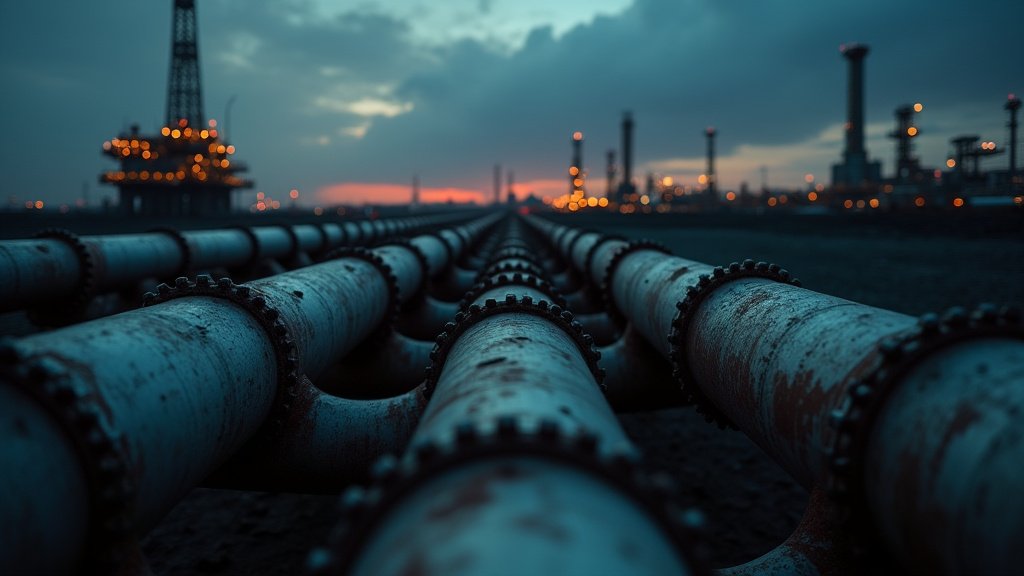
- President Trump threatened to “completely obliterate” Iranian power plants, oil wells, and desalination infrastructure.
- The demand is contingent upon reaching a ceasefire “shortly” and reopening the strategic Strait of Hormuz.
- Tehran has dismissed the threat as irrational and denies direct negotiations are currently underway.
- Regional conflict continues to intensify, with reports of reciprocal attacks on energy infrastructure in Kuwait and Israel.
- Global oil prices have surged, reflecting market instability as diplomatic talks remain stalled.
The Escalation Strategy
President Trump’s rhetoric has become a defining feature of his administration’s approach to the Iran crisis. By combining claims of diplomatic progress with explicit threats of military escalation, the administration is utilizing a high-pressure tactic designed to force Tehran to the table. In his latest post, Trump emphasized that the U.S. has purposefully refrained from striking these core civilian assets thus far, positioning the threat as a final warning before a significant expansion of the current military campaign. This rhetoric is further complicated by reports that U.S. troops are being mobilized in increased numbers across the Middle East, signaling that the threat of kinetic action is backed by tangible military assets.
The Human and Economic Cost
International legal scholars have raised significant concerns regarding the targeting of civilian infrastructure. The laws of armed conflict dictate that military operations must maintain proportionality, and striking facilities essential for civilian survival—such as water desalination plants—carries severe humanitarian risks that could be classified as war crimes. Furthermore, the global energy market is already feeling the strain of this conflict. With the Strait of Hormuz acting as a critical chokepoint for global oil supply, any further escalation threatens to drive energy prices to record highs, potentially deepening the current global energy crisis. Financial analysts suggest that the market’s volatility is directly tied to the oscillation between hope for a diplomatic resolution and the looming threat of prolonged, destructive warfare.
The Diplomatic Impasse
Despite Trump’s assertions of “great progress” in negotiations, Iranian officials continue to hold a firm stance. Tehran has officially rejected the U.S.’s proposed 15-point peace plan, labeling the demands as excessive and unrealistic. Additionally, the Iranian government has denied that any direct negotiations are occurring, suggesting that the diplomatic efforts facilitated by third-party intermediaries, such as Pakistan, are being used as a cover to maneuver U.S. military assets into position. As Israel continues its own military campaign against Iranian targets, the regional landscape becomes increasingly fractured, leaving little room for a traditional diplomatic breakthrough in the immediate future.
FAQ: People Also Ask
What specific infrastructure did Trump threaten to destroy?
President Trump specifically mentioned “obliterating” Iran’s electrical generating plants, oil wells, the Kharg Island oil export hub, and has suggested that desalination plants, which supply drinking water to the population, could also be targeted.
Why is the Strait of Hormuz critical to this situation?
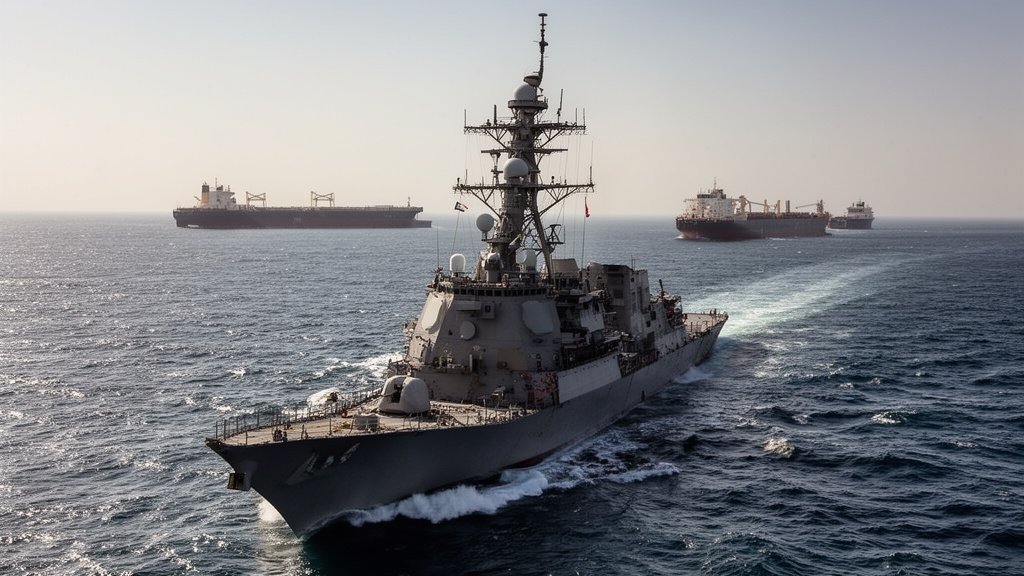
The Strait of Hormuz is one of the world’s most important shipping lanes, through which approximately one-fifth of the world’s oil transits daily. Its closure or obstruction threatens global energy security and causes immediate spikes in international oil prices.
Is a ceasefire expected soon?
While President Trump has suggested that talks are moving “very well,” Tehran has publicly downplayed the prospect of a deal, calling U.S. demands “excessive.” As of now, there is no verified timeline for a ceasefire, and both sides continue to engage in military actions.