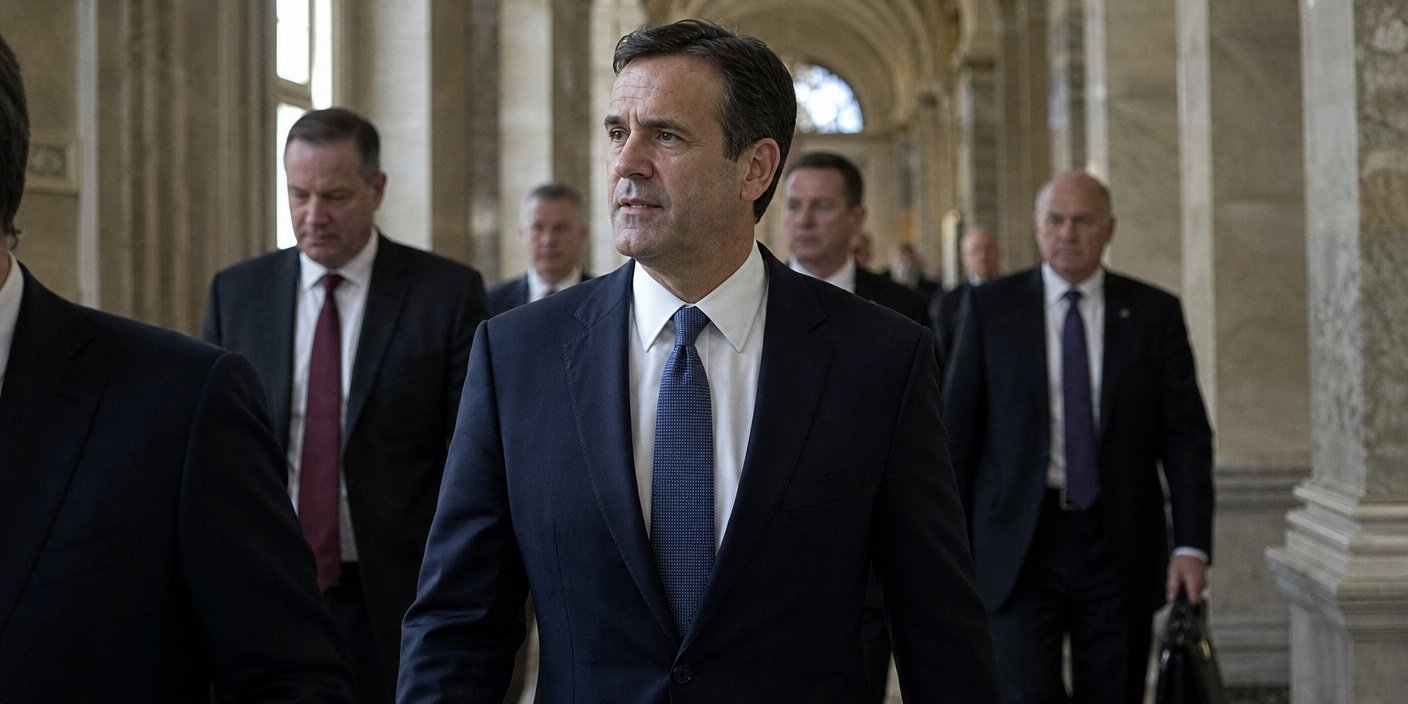

High-level delegations from the United States and Iran have descended upon Islamabad, Pakistan, today to initiate critical peace negotiations, marking a pivotal moment in the ongoing geopolitical crisis. With U.S. Vice President JD Vance leading the American team and Iranian Parliament Speaker Mohammad Bagher Ghalibaf heading the Iranian contingent, the atmosphere in the Pakistani capital is defined by a delicate balance of diplomatic necessity and profound mutual skepticism. These talks, brokered under a fragile two-week ceasefire, represent the first significant, direct in-person engagement between the two nations since the commencement of hostilities, aiming to avert further escalation in a conflict that has already rattled global energy markets and regional stability.
Key Highlights
- High-Stakes Delegation: U.S. Vice President JD Vance leads the American effort alongside Jared Kushner and envoy Steve Witkoff, while Iran is represented by Speaker Mohammad Bagher Ghalibaf and Foreign Minister Abbas Araghchi.
- The Nuclear Red Line: President Donald Trump has identified the containment of Iran’s nuclear program as the primary U.S. objective, explicitly demanding an end to development as a condition for long-term diplomatic progress.
- Unresolved Standoffs: The negotiations face significant hurdles, including Iran’s demands for a ceasefire in Lebanon and the release of frozen assets, contrasted with U.S. demands regarding the freedom of navigation in the Strait of Hormuz.
- Fragile Truce: The current two-week ceasefire remains under immense strain, as cross-border violence continues to test the resolve of both parties before any substantive peace framework can be established.
The Islamabad Summit: A Fragile Path to De-escalation
The arrival of the delegations in Islamabad signals a reluctant acknowledgment by both Washington and Tehran that the costs of continued military engagement have become increasingly untenable. However, the path to a durable agreement is fraught with challenges. The negotiations are not merely about ending the war; they are about attempting to resolve decades of animosity, economic sanctions, and proxy conflicts that have long defined the U.S.-Iran relationship. Analysts describe the meeting as a “make-or-break” moment for the current ceasefire, with the geopolitical stakes extending far beyond the borders of Pakistan.
The Diplomatic Poker Game: Strategic Posturing
Both sides have entered the summit with heavily guarded positions. President Donald Trump has maintained a firm rhetoric, publicly dismissing Iran’s leverage and stating that the regime is only at the table because it has “no cards” left to play. This public posturing is intended to project strength, yet the reality behind closed doors is significantly more complex. The Iranian delegation, while expressing “good intentions,” has openly voiced its lack of trust in American promises, citing past failed negotiations and the perception of “broken promises.”
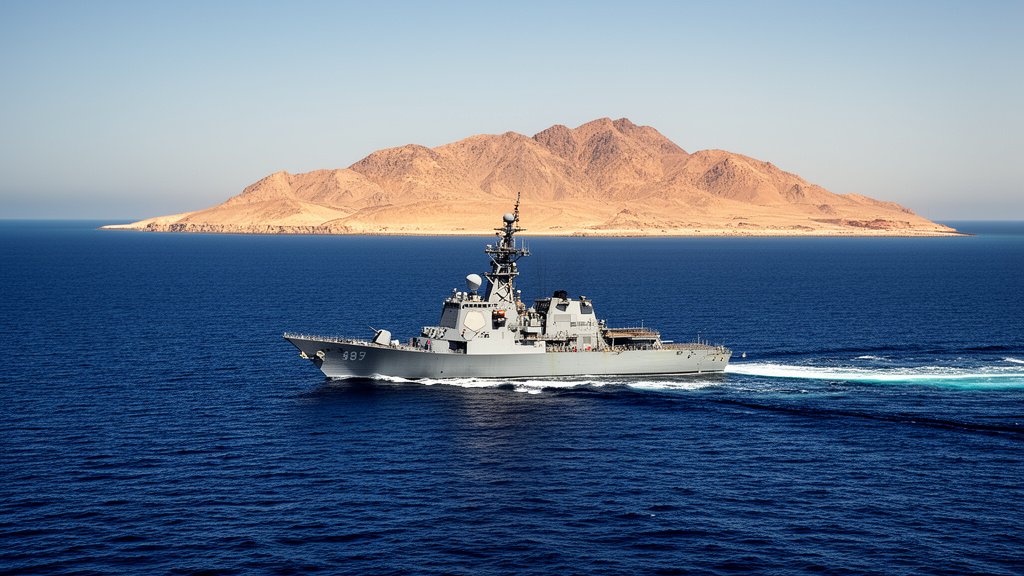
This lack of trust is the primary obstacle. For Iran, the Islamabad talks are viewed as a test of Washington’s sincerity—specifically regarding the unfreezing of economic assets that have crippled the Iranian economy. For the U.S., the priority is unambiguous: the absolute prevention of a nuclear-armed Iran and the restoration of unhindered commercial transit through the Strait of Hormuz, a critical maritime chokepoint through which approximately one-fifth of the world’s crude oil passes. The U.S. has hinted that it is prepared to act unilaterally to secure the strait should negotiations fail, adding a layer of imminent pressure to the diplomatic proceedings.
The Lebanon Variable and Regional Proxy Conflict
One of the most complex factors complicating the Islamabad talks is the regional spillover of the conflict, particularly regarding Lebanon. Iran has tied its cooperation to a broader regional de-escalation, specifically demanding that Israel cease strikes against Hezbollah. Conversely, the U.S. and Israeli stance has been that the current Iran-focused ceasefire does not extend to Hezbollah operations in Lebanon, viewing them as distinct theaters of conflict. This disconnect creates a dangerous friction point; if violence continues to flare in Lebanon, it threatens to collapse the tenuous peace in Islamabad before the negotiators can even move past opening agendas.
Secondary Angles: Exploring Future Implications
1. The Economic Impact on Global Energy: Should these talks collapse, the immediate effect would likely be a significant spike in oil prices. The Strait of Hormuz remains a central nervous system for the global economy, and any credible threat of blockade or military action sends shockwaves through energy markets, affecting inflation and supply chains globally.
2. The Evolution of Backchannel Diplomacy: The reliance on Pakistan as a neutral mediator highlights the changing landscape of international mediation. As traditional European or regional brokers find their influence diminished, the role of Islamabad as a facilitator suggests a shift toward non-traditional diplomatic hubs for resolving crises between the West and the Islamic Republic.
3. The Fragmentation of Iranian Decision-Making: Observers have noted that the Iranian delegation reflects a mix of military, political, and economic factions. This fragmentation suggests that internal regime politics may be just as important as the external negotiations. If the hardline factions within the Iranian government believe they are being compromised, they have the capacity to veto or undermine any agreement reached by the diplomatic team, highlighting the difficulty in achieving a “unified” Iranian commitment.
FAQ: People Also Ask
Q: What is the main goal of the U.S. in these talks?
A: The primary U.S. objective, as stated by President Trump, is ensuring Iran does not acquire a nuclear weapon, followed by securing open transit in the Strait of Hormuz.
Q: What are Iran’s key demands?
A: Iran is conditioning its engagement on the unfreezing of its international assets and a cessation of hostilities in Lebanon, which it links to its regional security posture.
Q: Are these talks considered a formal peace treaty?
A: No. Experts and officials characterize these meetings as high-stakes de-escalation talks. They are far from a formal peace deal and are currently focused on stabilizing the fragile two-week ceasefire.
Q: Why is the location in Islamabad significant?
A: Islamabad serves as a neutral ground where both parties can engage in dialogue without the domestic political pressures or diplomatic baggage that would accompany hosting the talks in Washington or Tehran.