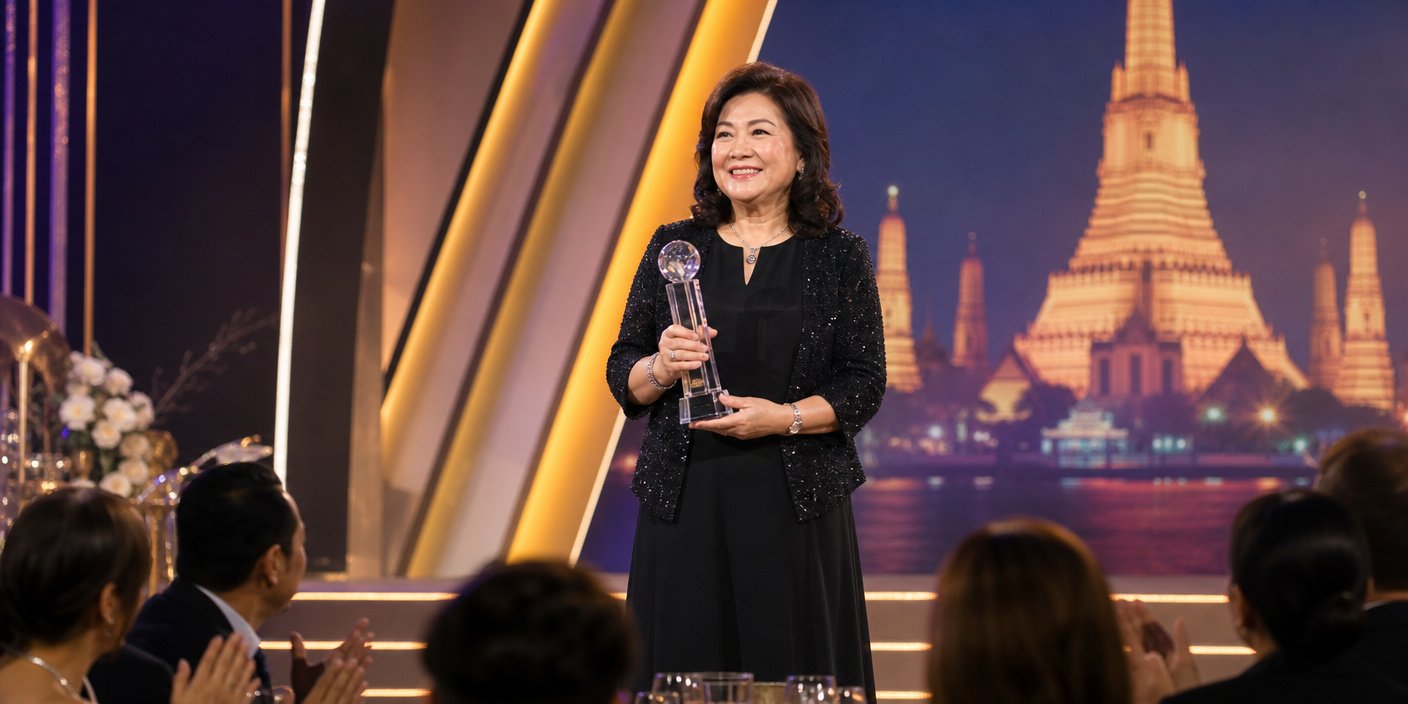
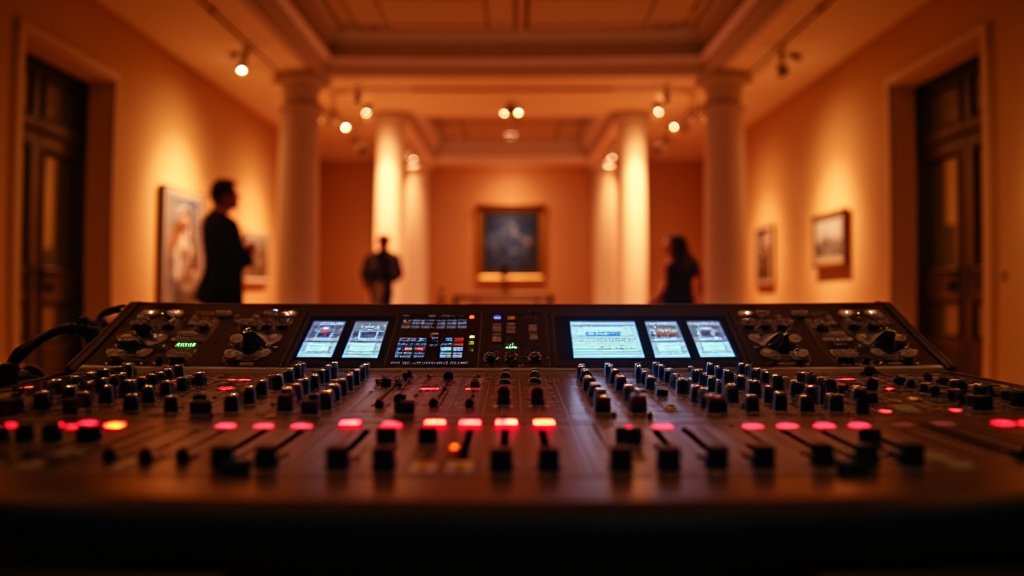
The Playing For Change Foundation (PFCF) recently united philanthropists, artists, and community leaders at Miami’s Rubell Museum for a landmark gala, celebrating the transformative power of music education in empowering youth worldwide. The event served as both a showcase of the foundation’s recent successes and a strategic call to action for the integration of arts and music into educational systems globally. By honoring those who use music as a tool for positive social change, the gala reaffirmed the organization’s commitment to bridging cultural divides and providing essential creative resources to underserved communities in 13+ countries.
Key Highlights
- Global Impact Celebration: The Miami gala honored activists and educators who use music as a catalyst for social cohesion, drawing attention to programs in regions ranging from Thailand to Jordan.
- Sustainable Music Education: The Foundation highlighted its model of long-term community partnership, which focuses on providing consistent access to instruments and high-quality instruction rather than one-off donations.
- Strategic Advocacy: Key discussions centered on the necessity of integrating the arts into formal educational curricula to improve student confidence, emotional intelligence, and community engagement.
- Expanding Reach: The event underscored the organization’s growth, with over 18 dedicated music programs currently operating and thousands of students benefiting annually from their initiatives.
Harmonizing Humanity: The Strategic Importance of Music Education
The recent gala hosted by the Playing For Change Foundation at the Rubell Museum in Miami was more than a celebratory evening; it was a potent demonstration of how music serves as a foundational pillar for social, cultural, and economic resilience. As modern educational systems face increasing pressure to focus solely on STEM (Science, Technology, Engineering, and Math), the Foundation’s advocacy for the ‘A’ in STEAM—the Arts—has never been more critical. By providing resources to marginalized youth, the organization is not just teaching scales and chords; it is fostering a generation capable of empathy, complex problem-solving, and cross-cultural collaboration.
The Mechanics of Change
The Foundation’s approach is distinctively localized. Unlike large-scale charities that might impose top-down solutions, the Playing For Change Foundation operates on a model of community listening. This involves identifying local leaders within low and lower-middle-income countries who understand the specific socioeconomic challenges of their region. These leaders are then empowered with the financial, logistical, and technical resources needed to build sustainable music programs.
Whether it is providing instruments to refugee camps in Jordan or supporting music schools in remote regions of Nepal, the strategy is consistent: minimize barriers to entry. By ensuring that music education is free and accessible, the Foundation effectively democratizes creativity. This, in turn, creates a ‘ripple effect’ where individual artistic expression transforms into collective community strength. For many students, these music centers become the only point of access to cultural and creative activities, making the Foundation’s intervention a lifeline for personal development.
Economic and Social Mobility Through Artistry
One of the secondary angles explored at the gala was the tangible link between music education and economic mobility. Critics often dismiss arts education as ‘non-essential,’ yet the data presented by the Foundation suggests the opposite. Music instruction requires discipline, collaboration, and high-level critical thinking—skills that are directly transferable to the workforce.
In communities where economic opportunities are limited, the ability to play, produce, or understand music creates alternative pathways for livelihood. Furthermore, the Foundation’s programs often integrate food security initiatives and social support services, recognizing that a child cannot learn effectively if their basic physiological needs are not met. This holistic approach proves that the ‘music’ label is merely the entry point for comprehensive human development.
Global Cultural Exchange: The ‘Songs Around The World’ Philosophy
The Foundation’s parent organization, Playing For Change, is famous for its ‘Songs Around The World’ series—a project that unites disparate musicians through digital technology. This philosophy permeates the Foundation’s educational work. By connecting students in different countries through shared musical experiences, the Foundation is effectively building a global network of peers. A student in a Brazilian community center can now feel connected to a student in a Ghanaian village through the universal language of melody. This creates a powerful antidote to the isolationism and cultural fragmentation that often define modern geopolitical narratives.
Looking toward the future, the Foundation is aiming to scale these connections. By utilizing digital collaboration tools, they hope to create a virtual, global classroom where geography is no longer a limiting factor for music education. This technological evolution of the Foundation’s mission represents the next frontier in non-profit work: using high-tech infrastructure to preserve, propagate, and democratize low-tech, human-centered traditions.
FAQ: People Also Ask
What is the primary mission of the Playing For Change Foundation?
The foundation’s mission is to create positive social change through music and arts education. It focuses on providing marginalized youth in diverse, underserved communities with access to instruments, teachers, and a creative, safe environment to foster personal and community growth.
In which regions does the Playing For Change Foundation operate?
The Foundation operates in 13+ countries, including but not limited to projects in Brazil, Nepal, Jordan, Thailand, and several nations across Africa. They specifically target communities where access to formal arts education is scarce.
How does the Foundation measure its impact?
Impact is measured through a combination of student enrollment, retention rates, community engagement metrics, and qualitative storytelling. They emphasize sustainable growth, tracking how their music programs influence students’ confidence, academic performance, and ability to collaborate within their local communities.
Can individuals support the Playing For Change Foundation?
Yes, the Foundation accepts donations, hosts annual fundraising events like the Impact Awards gala, and offers membership programs. They also encourage advocacy and spreading awareness about the importance of arts in educational curricula.