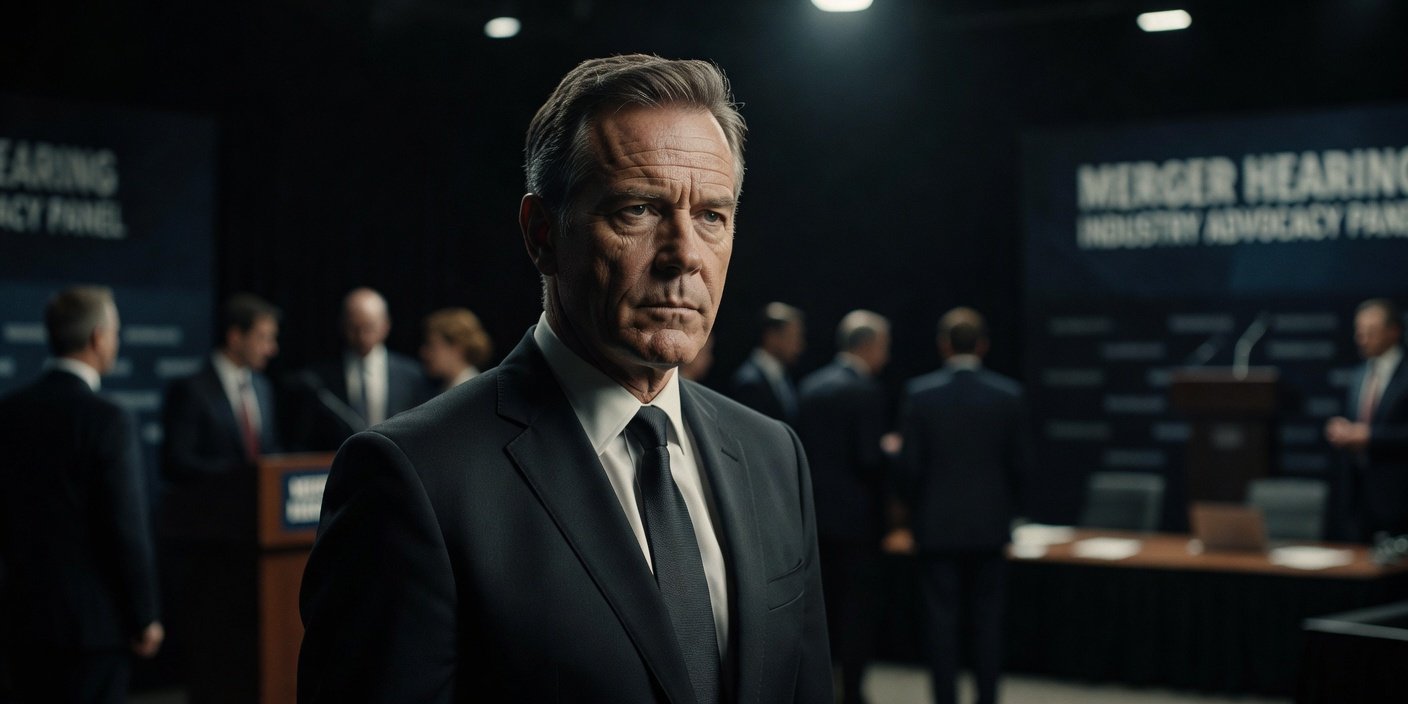
In an unprecedented show of unity, more than 1,000 of Hollywood’s most influential creators—including icons like Bryan Cranston, Joaquin Phoenix, and Lily Gladstone—have released an open letter formally opposing the $110 billion acquisition of Warner Bros. Discovery by Paramount Skydance. The coalition, comprised of writers, directors, and performers, argues that this historic consolidation poses an existential threat to the entertainment ecosystem, warning that the merger will drastically reduce job opportunities, limit the variety of stories brought to the screen, and further consolidate power into the hands of a few corporate entities. As the April 23rd shareholder vote approaches, this public outcry has intensified the scrutiny from regulatory bodies, including the Department of Justice, which is currently reviewing the deal’s potential impact on market competition.
Key Highlights
- Massive Pushback: Over 1,000 film and TV professionals have signed an open letter decrying the deal, fearing it will stifle artistic freedom and production volume.
- Industry Heavyweights: The movement is spearheaded by A-list talent, including Bryan Cranston, Joaquin Phoenix, and Yorgos Lanthimos, amplifying the pressure on the Paramount-WBD board.
- Regulatory Scrutiny: The DOJ is actively investigating the deal, while California Attorney General Rob Bonta has expressed deep skepticism regarding the merger’s impact on California’s production economy.
- Economic Anxiety: The primary concern is the creation of a ‘monopoly’ that could slash theatrical output and reduce the bargaining power of independent creators.
- High-Stakes Timeline: With a shareholder vote scheduled for April 23, 2026, the coming week is critical for determining the viability of the $110 billion acquisition.
The Anatomy of an Industry Rebellion
The landscape of modern Hollywood is defined by the tension between creative integrity and corporate consolidation. For decades, the industry has weathered mergers, but the proposed Paramount Skydance acquisition of Warner Bros. Discovery feels different to many in the guild. By bringing together two of the world’s most storied studios—each with deep libraries, vast distribution networks, and massive production capabilities—the deal would create an entertainment behemoth the likes of which has rarely been seen.
The Erosion of Creative Diversity
At the heart of the opposition is a fear that this merger will not result in ‘more’ content, as promised by executives, but rather ‘less’ creative variety. Historically, large-scale media mergers often lead to a ‘synergy’ effect, where overlapping departments are slashed to reduce costs. Critics of the deal argue that this typically manifests as a reduction in the number of films greenlit for production and a narrowing of the types of stories that get funded. When decision-making power is concentrated, risk-aversion often follows. Independent voices, experimental projects, and mid-budget dramas—the bread and butter of cinematic innovation—are often the first to be sacrificed on the altar of efficiency and profit maximization. The signatories of the open letter argue that this consolidation effectively acts as a gatekeeper, determining what gets made based on the bottom line rather than artistic merit.
Job Losses and the ‘Production Ecosystem’
Beyond the screen, the economic anxiety is palpable. Los Angeles and other major production hubs have already seen significant contractions in the industry. The letter emphasizes that this merger is a ‘harbinger’ for further shrinkage. Between 2022 and 2024, Los Angeles County experienced a sharp decline in motion picture jobs, and production levels have continued to fluctuate downward. The concern is that a combined Paramount-WBD will create massive redundancies. While CEO David Ellison has pledged to keep the studios operating independently and maintain production levels, skepticism remains high. Industry veterans point to previous mergers—such as the Disney-Fox consolidation—as cautionary tales where workforce reductions were significant and long-lasting. For the crew members, support staff, and thousands of laborers who support the Hollywood ecosystem, this merger isn’t just a headline; it’s a direct threat to their livelihood.
The Regulatory Battleground
The opposition from the creative community is currently dovetailing with increasing scrutiny from federal and state regulators. The Department of Justice (DOJ) has signaled that this deal will not receive a fast track to approval, especially given the political and economic implications. Subpoenas have already been issued, with regulators seeking to understand exactly how the deal would affect studio output, content rights, and the future of theatrical distribution. Furthermore, California Attorney General Rob Bonta has been vocal about his concerns regarding the deal’s potential to harm California’s economy and its role as the capital of global film production. The political pressure is mounting, with representatives like Adam Schiff holding hearings to force accountability from the executives pushing the deal. The opposition letter serves as a potent public relations and political tool, providing regulators with the ‘social license’ to challenge the deal on behalf of the public interest rather than just dry antitrust metrics.
FAQ: People Also Ask
1. Why are Hollywood stars opposing the Paramount-WBD merger specifically?
They fear that combining two of the world’s biggest studios will create an anti-competitive environment that reduces the number of films produced, limits the types of stories told, and eliminates thousands of jobs across the production sector.
2. Who are some of the key names leading this opposition?
The coalition includes high-profile figures such as Bryan Cranston, Joaquin Phoenix, Tiffany Haddish, Lily Gladstone, and Yorgos Lanthimos, among 1,000 other writers, directors, and actors.
3. Will this opposition stop the merger from happening?
It is not a guaranteed stop, but it significantly complicates the deal. By mobilizing public opinion and providing political backing for regulators, this opposition makes it harder for the deal to pass without major concessions or stricter scrutiny by the DOJ and other government bodies.
4. What has Paramount Skydance said in response to these concerns?
Paramount CEO David Ellison has publicly committed to keeping the studios operating independently and has pledged a minimum production of 30 theatrical films annually to alleviate fears of output reduction, though many creators argue these pledges lack specificity and enforceability.