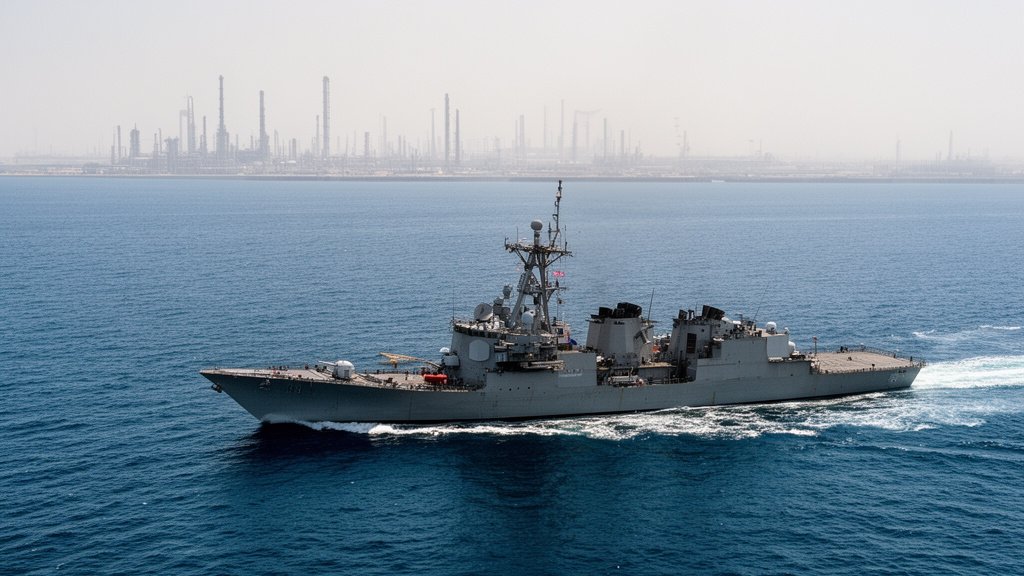
The geopolitical landscape has shifted dramatically this week as a high-stakes diplomatic standoff has emerged between the Holy See and the White House. Pope Leo XIV, the first U.S.-born pontiff, has forcefully pushed back against criticism from President Donald Trump, declaring that he does not fear the administration’s rhetoric. This extraordinary feud, centered on the ongoing conflict in Iran, marks a significant departure from the usual diplomatic cordiality between the two global institutions, signaling a widening divide regarding the moral application of American military power.
The Moral Clash Over Iran
The genesis of this tension lies in the Pope’s recent, increasingly vocal criticism of the U.S.-Israel military campaign in Iran. During an evening prayer vigil at St. Peter’s Basilica, Pope Leo XIV, speaking with newfound urgency, denounced the “delusion of omnipotence” that he argues is fueling the war. While the pontiff has been careful not to name the American President directly in his prayers, the target of his critique has been unmistakably clear to the international community.
His condemnation comes at a critical juncture, as U.S. and Iranian officials have begun fragile, yet thus far unsuccessful, peace negotiations in Islamabad. The Pope’s message—”Enough of the idolatry of self and money! Enough of the display of power! Enough of war!”—has served as a rallying cry for those opposing the military strategy. This position has placed the Vatican in direct opposition to the current White House strategy, which seeks to secure regional stability through decisive military dominance and pressure campaigns.
President Trump’s Retaliation: ‘Weak on Crime’
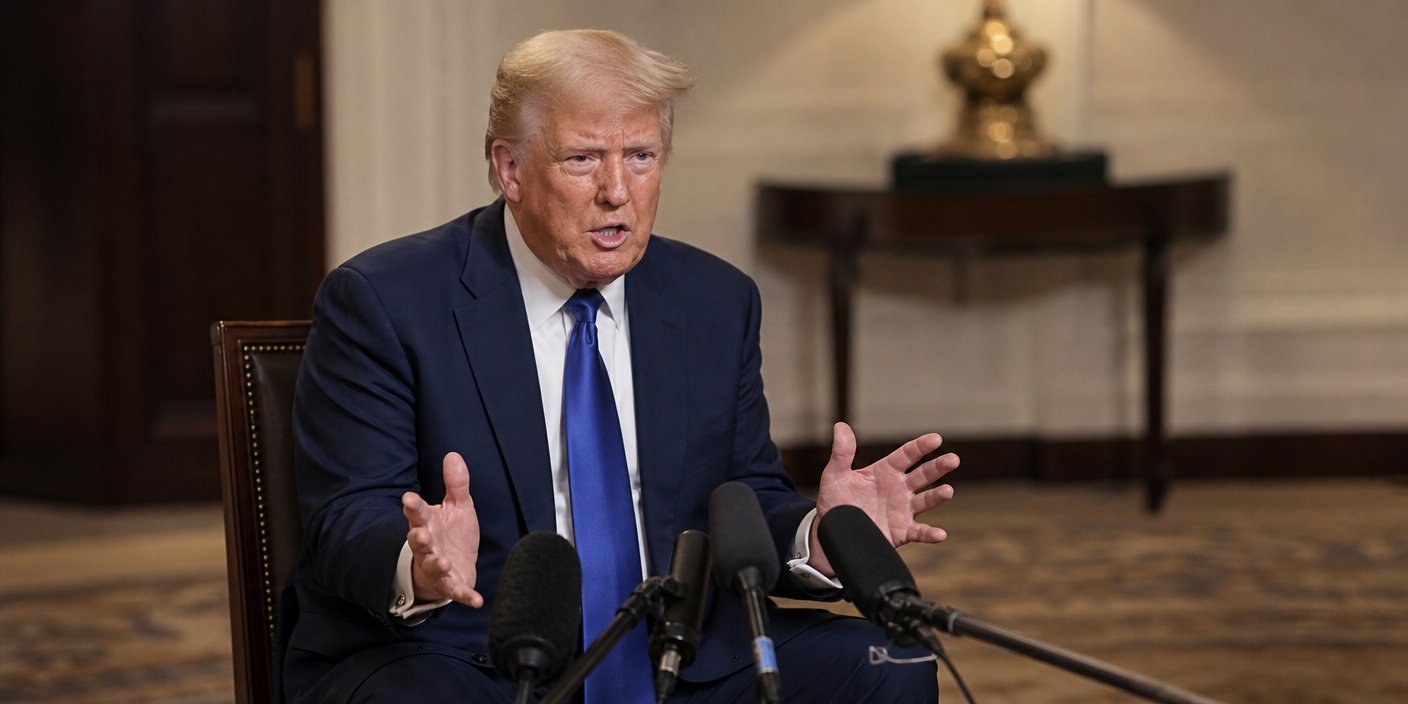
In a move that has stunned political observers, President Trump took to his social media platform to launch an unprecedented public broadside against the pontiff. The President accused the Pope of being “weak on crime” and “terrible for foreign policy,” explicitly telling the leader of the Catholic Church to stop “catering to the Radical Left” and to focus on being a spiritual leader rather than a politician.
This rhetoric escalates a burgeoning conflict that began earlier this month. Trump’s post also touched upon the Pope’s previous criticisms regarding U.S. policy in Venezuela, where the administration’s actions—including the capture of former President Nicolás Maduro—have drawn condemnation from the Vatican. By framing the Pope’s moral arguments as political interference, Trump has sought to delegitimize the pontiff’s stance, suggesting that the Vatican’s influence is incompatible with the “America First” doctrine currently driving U.S. foreign policy. The President even questioned the Pope’s gratitude, claiming that without the support of the U.S., “Leo wouldn’t be in the Vatican.”
The Augustinian Influence: Understanding Pope Leo XIV
To understand the root of this conflict, one must look at the background of Pope Leo XIV, born Robert Francis Prevost. As the first American-born Pope and a member of the Order of Saint Augustine, his worldview is deeply rooted in the Augustinian tradition, which emphasizes community, restless searching for truth, and a profound concern for the marginalized.
Unlike his predecessors, who often navigated these tensions with centuries of European diplomatic nuance, Pope Leo XIV brings a distinctly American pragmatism combined with a global perspective gained from years of missionary work in Peru. His appointment as the 267th Pope was seen as a historic turning point, but his current standoff with the American President highlights the complexities of his dual identity. He is a man intimately familiar with the internal politics of the United States, yet he is now the chief authority of an institution that views global conflicts through a lens that often transcends national borders. This background makes his defiance of Trump not merely a policy disagreement, but a fundamental clash of worldviews.
Historical Context: When Popes and Presidents Collide
The history of the Catholic Church is replete with instances where the Papacy has clashed with secular power, but the current feud is distinct due to the speed and public nature of the discourse. In an era of digital communication, the traditional diplomatic back-channels that kept previous tensions between Popes and Presidents private have been bypassed.
Historically, Vatican-U.S. relations have fluctuated based on the alignment of priorities. From the Cold War cooperation during the Reagan-John Paul II era to the tensions regarding the Iraq War under George W. Bush and Pope John Paul II, the two powers have frequently navigated periods of disagreement. However, the open antagonism displayed by President Trump toward Pope Leo XIV is unprecedented in the modern era. The shift indicates that the “moral authority” of the Vatican, once treated with cautious respect by Western leaders, is now being treated as just another competing interest in a highly polarized political environment.
Future Implications: A Worsening Diplomatic Chasm?
The fallout from this feud remains to be seen. While the Pope continues to appeal for peace and dialogue, the Trump administration appears committed to its military objectives, regardless of the Vatican’s moral opposition. This raises critical questions about the future of the Vatican’s diplomatic mission in the U.S. and its influence on global policy. Will other nations, particularly those with significant Catholic populations, align with the Vatican’s stance, or will the weight of American military and economic power force a realignment of loyalties?
As the war in Iran drags on, the schism between the two figures seems likely to widen. The Pope’s insistence that he does not fear the White House suggests he is prepared for a prolonged diplomatic struggle. For now, the world watches to see whether this clash of titans will lead to a de-escalation of hostilities or if it marks the beginning of a new, more fractured era of international relations where even the most sacred of alliances are subject to the volatility of political survival.
FAQ: People Also Ask
1. Who is Pope Leo XIV?
Pope Leo XIV, born Robert Francis Prevost in Chicago, Illinois, is the 267th Pope of the Catholic Church and the first U.S.-born pontiff. He was elected on May 8, 2025.
2. Why is there a feud between Pope Leo XIV and Donald Trump?
The feud stems from the Pope’s public criticism of the U.S. military campaign in Iran and the President’s subsequent retaliatory attacks on the Pope’s foreign policy and perceived political stance, labeling him “weak on crime.”
3. What is the Pope’s specific stance on the Iran war?
Pope Leo XIV has denounced the “delusion of omnipotence” driving the conflict and has publicly labeled threats to destroy Iranian civilization as “truly unacceptable,” calling instead for peace and diplomatic negotiation.
4. Are there historical precedents for this type of conflict?
While Popes and U.S. Presidents have had disagreements in the past (such as over the Iraq War), the current, open, and public nature of the antagonism on social media is unprecedented in the modern diplomatic relationship between the Vatican and the White House.