As the streaming landscape continues to shift from volume-heavy content to high-production prestige, audiences are finding themselves in a ‘choice paralysis’ dilemma. This Friday, we dive into the diverse ecosystem of digital entertainment, examining the titans of streaming that define current viewing habits. Whether you are looking for the sprawling world-building of Godzilla-adjacent narratives, the adrenaline-fueled nostalgia of reality competition reboots, or the quiet, moody gravitas of literary period pieces, this weekend offers a microcosm of what modern television has become.
Key Highlights
- Franchise Expansion: How platforms like Apple TV+ are using established cinematic IP (Monarch: Legacy of Monsters) to create ‘extended universes’ that rival theatrical releases.
- The Nostalgia Cycle: Analyzing why documentaries and reboots like American Gladiators are dominating viewership by tapping into 90s cultural memory.
- Literary Resilience: The enduring power of classic adaptations like Wuthering Heights on major platforms, proving that period dramas retain a premium audience segment.
- The Curation Economy: Why algorithmic recommendation is being replaced by human-curated ‘Friday guides’ in an oversaturated market.
The Evolution of the Streaming ‘Watercooler’ Moment
The concept of the ‘watercooler moment’ has fundamentally transformed. In the era of linear television, everyone watched the same sitcoms at the same time. Today, streaming platforms have decentralized culture, creating niche communities around massive, sprawling intellectual properties. The discussion around shows like Monarch: Legacy of Monsters represents the pinnacle of this shift. By taking a cinematic giant like Godzilla and stretching it into a ten-episode serialized drama, Apple TV+ isn’t just releasing content; they are managing a brand ecosystem.
The ‘Monarch’ Effect: IP as World-Building
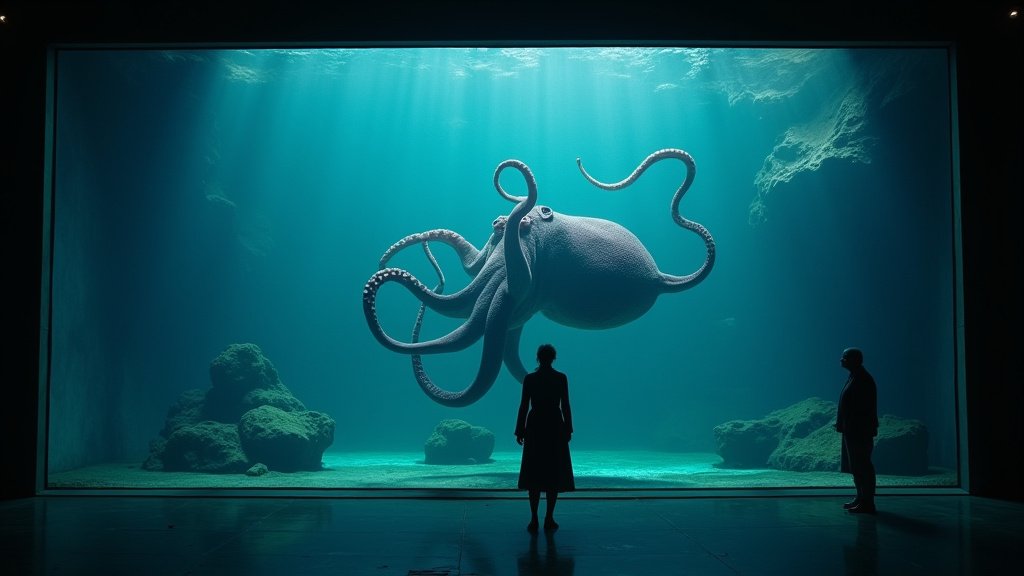
When we look at high-budget productions like Monarch, we are witnessing the bleeding edge of the ‘streaming blockbuster.’ Audiences no longer accept low-fidelity television. They demand visual effects that compete with theatrical tentpoles. This creates an economic challenge for streamers: how do you sustain the budget of a feature film across ten hours of television? The answer lies in IP sustainability. By anchoring the narrative in a known quantity—the MonsterVerse—studios reduce the marketing friction. Viewers know what they are getting, which lowers the barrier to entry for new subscribers. This is the new gold standard for subscriber acquisition and retention: build an expansive universe, and they will stay for the lore.
Nostalgia and the Reality Reboot
Contrasting sharply with the high-concept sci-fi of the MonsterVerse is the unscripted, nostalgic powerhouse of competition shows like American Gladiators. The success of documentaries and series revisiting these physical spectacles is not merely about the competition itself; it is about the re-contextualization of childhood memory. When we analyze the success of these ‘wrap-up’ series or retrospectives, we see a clear pattern: successful modern programming often pivots on the axis of cultural re-evaluation. We aren’t just watching people run obstacle courses; we are dissecting the high-octane, sometimes reckless culture of late 20th-century television through the lens of modern sensibilities. It is a dual-layered viewing experience that captures both the older demographic seeking a hit of dopamine and the younger demographic discovering the raw, unpolished energy of pre-digital reality TV.
Period Pieces in a Digital World
Perhaps the most fascinating outlier in the modern streaming library is the enduring popularity of classic literary adaptations, such as Wuthering Heights. In an age of high-speed, high-intensity content, there remains a massive, consistent audience for the slow-burn, atmospheric period drama. HBO Max (now Max) and similar platforms utilize these titles as a ‘prestige anchor.’ While they may not generate the viral social media buzz of a monster movie or a reality competition, they provide long-tail value. These shows are ‘comfort food’ for the streaming era. They offer stability, aesthetic consistency, and a sense of ‘high culture’ that balances out the more volatile, trend-driven content on the home page. The data shows that subscribers rarely cancel a service if it maintains a library of high-quality, classic adaptations, as these titles serve as a permanent, reliable destination.
The Economic Landscape of Streaming Strategy
We must also consider the business model driving these choices. The shift toward ad-supported tiers (AVOD) has changed how programmers select content for Friday slots. Shows with broad, four-quadrant appeal—like monster movies or competition shows—are prioritized for their ability to bring in the widest possible audience during the weekend ‘prime time’ window. Meanwhile, the ‘prestige’ titles are utilized to prevent churn. The industry is currently in a state of balancing these two needs: mass-market appeal and long-term brand loyalty. As we look toward the future of content, expect to see more hybrid formats: shorter seasons, higher budgets, and a massive focus on ‘sticky’ content that keeps users engaged through the Monday-Thursday slump.
FAQ: People Also Ask
1. Why are streaming services focusing so heavily on 90s nostalgia lately?
Nostalgia serves as a low-risk, high-reward strategy. The target demographic for streaming (ages 25-45) grew up in the 90s. Repackaging that content creates instant brand recognition, reducing marketing costs while providing a guaranteed ‘hook’ for subscriber engagement.
2. Is the era of the ‘weekly release’ model here to stay?
Yes. While ‘binge-dropping’ was the standard for a decade, the industry has largely pivoted back to weekly releases for flagship shows. This extends the cultural conversation around a show for months rather than days, which is essential for subscriber retention in a competitive market.
3. How does IP-driven content affect original, non-franchise storytelling?
It creates a challenging ‘middle class’ for television. While massive franchises and low-cost unscripted reality TV thrive, mid-budget original scripted dramas are finding it harder to get greenlit unless they have a hook that can potentially turn into a long-running franchise.
4. What should I look for when choosing a streaming service for this weekend?
Look for ‘category depth.’ If you want high-octane entertainment, ensure the platform has a robust library of reality or action IP. If you want a weekend of relaxation, prioritize platforms known for their ‘library titles’—classic films and period dramas—which tend to offer higher quality archival content.