The fashion industry is holding its collective breath. Nearly two decades after Miranda Priestly first whispered her scathing critiques in the offices of Runway, Disney has officially confirmed that a sequel to The Devil Wears Prada is in development. While plot details remain shrouded in the kind of secrecy usually reserved for haute couture runways, industry insiders have confirmed that the production is set to turn its lens toward the beating heart of the luxury world: Milan. This strategic shift to Italy’s fashion capital suggests a narrative pivot that mirrors the real-world evolution of the magazine industry—from the decline of the glossy print monolith to the frantic, digital-first hunger of the modern era.
The Resurrection of Runway
The original 2006 film, based on Lauren Weisberger’s novel, was more than a box-office success; it was a cultural touchstone that defined the mid-2000s zeitgeist. It introduced audiences to the ruthless, fast-paced world of high fashion and solidified Meryl Streep’s Miranda Priestly as one of cinema’s most complex antagonists. The sequel arrives at a time when the industry looks radically different. When the original premiered, the dominance of print media was still the undisputed king of style. Today, that hierarchy has been completely inverted. The sequel is expected to grapple with the death of the legacy magazine model, forcing the iconic Miranda Priestly to face an existential threat: irrelevance in a world dominated by social media influencers and digital agility.
Why Italy’s Fashion Capital?
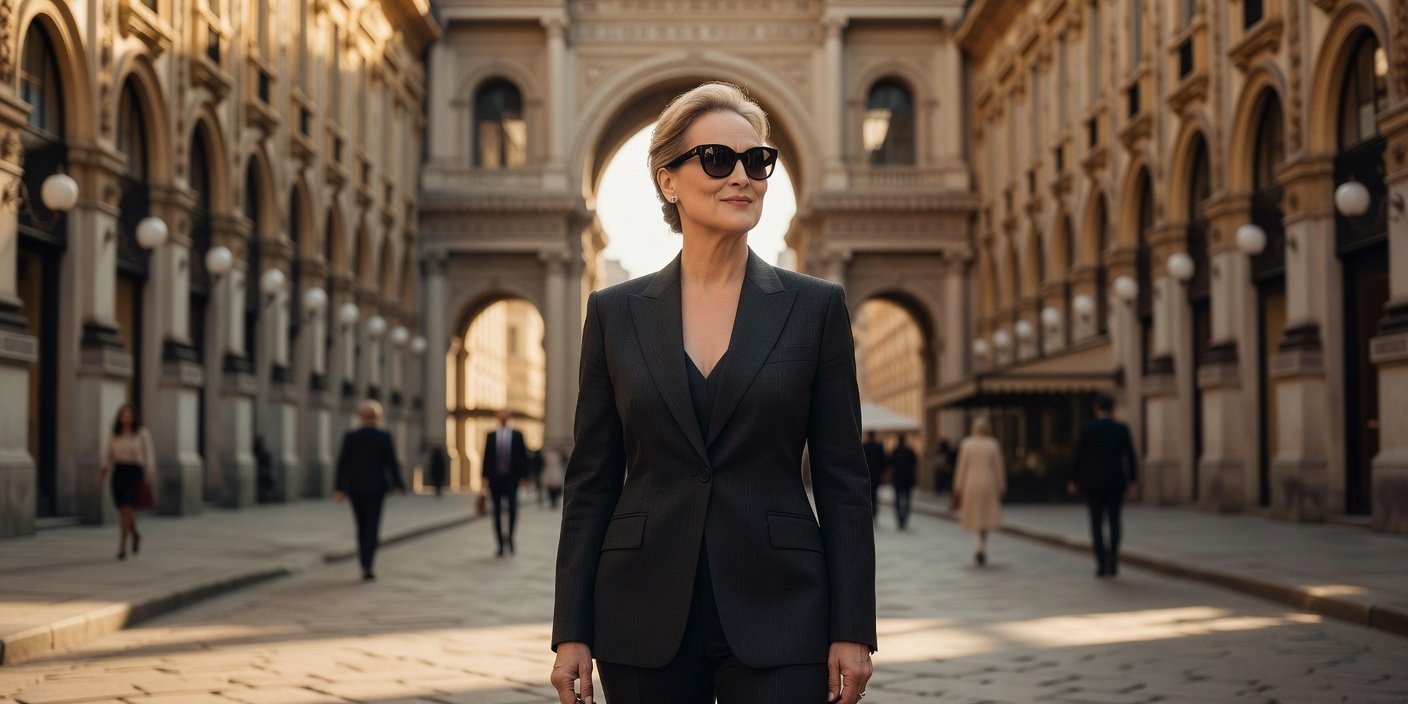
The decision to center a significant portion of the production in Milan is a calculated narrative choice. Milan is not merely a setting; it is a character in the history of luxury. Unlike the frantic streets of New York, where the original film was grounded, Milan represents the history, the manufacturing power, and the aristocratic roots of the fashion industry. By moving the story to Italy, the sequel aligns itself with the current state of luxury brands, which increasingly rely on Italian heritage and craftsmanship to combat the dilution of luxury in the globalized digital market. This move allows the production to explore themes of generational conflict—old world quality versus new world virality—against the backdrop of the Quadrilatero della Moda.
The Digital Disruption Narrative
One of the most compelling angles of the upcoming sequel is how the script will treat the evolution of media. Miranda Priestly, a titan of the print era, cannot survive in an ecosystem that demands 24/7 content creation. Industry analysts suggest the narrative will focus on the tension between Runway’s traditional editorial authority and the rise of personal branding. Will we see Miranda fighting against the tide of amateur influencers, or will she adapt by attempting to monetize the very chaos she once despised? This subplot provides a meta-commentary on the current state of journalism and editorial media, making the film a timely critique of the industry it portrays.
Character Arc: From Assistant to Adversary
The return of legacy cast members adds a layer of depth to the sequel. Anne Hathaway’s Andy Sachs, who famously walked away from the industry, is expected to return in a position of power, likely as an antagonist or an unlikely partner to Priestly. The dynamic between a matured Andy—now cognizant of the cost of success—and an aging, vulnerable Miranda creates a dramatic tension that wasn’t possible in the first film. The sequel is poised to explore the ‘price of ambition’ through a more seasoned, realistic lens, moving away from the Cinderella-style awakening of the first film and toward a darker, more complex study of professional survival.
Economic Impact and Cultural Legacy
The economic implications of a major Hollywood production moving to Milan cannot be understated. Beyond the screen, the film is expected to act as a massive tourism driver, highlighting Italy’s luxury boutiques, artisanal workshops, and historical sites. Cities often see a surge in ‘set-jetting’—tourism motivated by film locations—following blockbuster releases. By situating the sequel in Italy, Disney is effectively endorsing the city as the premier destination for luxury, reinforcing Milan’s status in a post-pandemic world that is desperate for authentic, tactile experiences over digital substitutes.
Secondary Angles: The Evolution of Media and Beyond
To fully understand the weight of this sequel, one must consider three distinct secondary angles that go beyond the glitz of the fashion world:
1. The Death of Print Media: The film serves as a eulogy for the ‘glossy’ era. We will likely see the physical magazine office shrinking, replaced by tech-heavy ‘content studios,’ mirroring real-world closures of legacy publications.
2. The Geography of Luxury: The choice of Milan underscores the shift in the fashion power dynamic back to Europe. As Chinese and American luxury conglomerates fight for control, Italy remains the neutral, historical ground that maintains legitimacy.
3. Gender and Power in Aging: The sequel is a rare opportunity to showcase a powerful woman in her later years not as a villain, but as a survivor. Miranda Priestly’s navigation of the modern corporate world offers a unique perspective on gendered aging in the entertainment and fashion industries.
Industry Reaction and Anticipation
The industry reaction has been one of cautious optimism. Fashion insiders are eager to see if the sequel can replicate the ‘cerulean sweater’ level of cultural impact that the first film achieved. The creative team has a tall task: modernize a story that was, in many ways, defined by a specific, bygone era, without alienating the nostalgia-driven audience that made the original a classic. If successful, The Devil Wears Prada 2 will not just be a film; it will be a case study in how to successfully reboot a franchise for a generation that consumes fashion through a smartphone screen, yet deeply craves the aesthetic authority of the magazine era.
FAQ: People Also Ask
1. Is Meryl Streep returning for The Devil Wears Prada 2?
Yes, reports indicate that Meryl Streep is set to reprise her iconic role as Miranda Priestly, anchoring the film with the character that defined her mid-career renaissance.
2. Will the original cast return?
While Meryl Streep is confirmed, talks are ongoing regarding other key cast members like Anne Hathaway and Emily Blunt, who have both expressed openness to the project in recent interviews.
3. Is this a direct continuation or a reboot?
It is confirmed to be a direct sequel, picking up the narrative threads years after the events of the first film, specifically addressing the evolution of the fashion industry.
4. Why is Italy’s fashion capital important to the plot?
Italy, and specifically Milan, serves as the global hub for luxury manufacturing. The sequel uses this setting to emphasize the clash between traditional craftsmanship and the fast-paced, digital nature of the modern fashion industry.