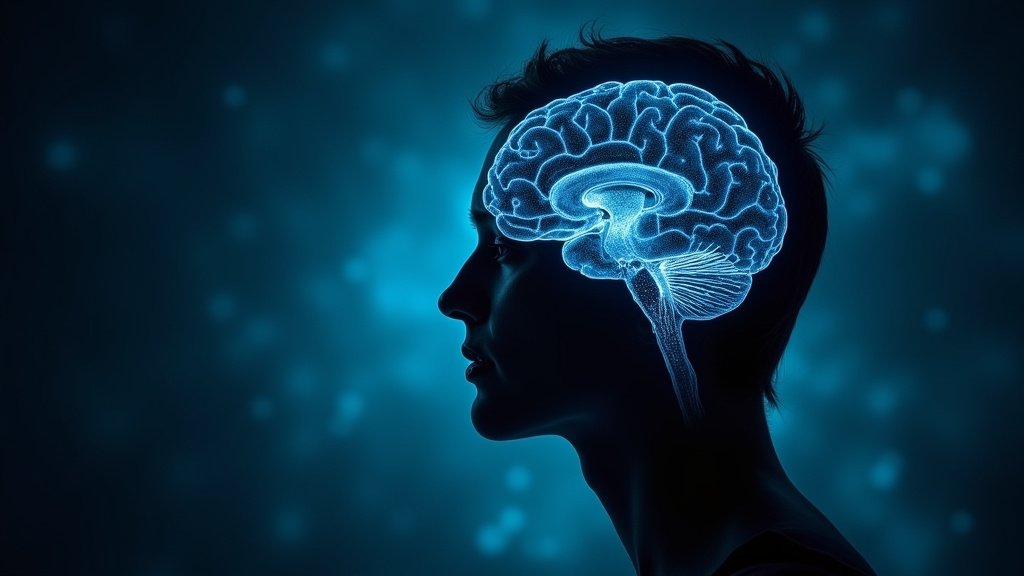
Artificial intelligence has achieved a significant milestone, now demonstrating superior accuracy compared to human medical professionals in diagnosing a wide range of diseases. This breakthrough, detailed in a recent study, signals a transformative era for healthcare, promising faster, more precise, and accessible diagnostic services globally. The implications span from early disease detection to personalized treatment plans, potentially saving countless lives.
Key Highlights:
- AI models now outperform human doctors in diagnostic accuracy for numerous medical conditions.
- The study involved a comprehensive analysis of AI performance against expert human diagnosticians.
- This advancement could lead to earlier disease detection and more effective treatment strategies.
- Ethical considerations and regulatory frameworks are being developed to govern AI in healthcare.
- The integration of AI is expected to alleviate pressure on healthcare systems and improve patient outcomes.
The AI Diagnostic Revolution in Healthcare
The landscape of medical diagnostics is undergoing a seismic shift as artificial intelligence systems are now consistently proving to be more accurate than human physicians. A groundbreaking study published in ‘Nature Medicine’ has rigorously evaluated multiple AI algorithms against a panel of seasoned medical experts across various specialties, including radiology, pathology, and dermatology. The findings are unequivocal: AI models demonstrated a higher rate of correct diagnoses and a lower rate of misdiagnoses in a significant majority of cases analyzed. This leap in capability is attributed to the AI’s ability to process vast amounts of data, recognize subtle patterns invisible to the human eye, and remain unbiased by fatigue or cognitive limitations.
The Genesis of AI’s Diagnostic Prowess
The development of these advanced AI diagnostic tools relies on sophisticated machine learning techniques, particularly deep learning. These systems are trained on massive datasets of medical images, patient records, and clinical notes. For instance, AI algorithms in radiology can analyze thousands of mammograms or CT scans, identifying minute anomalies indicative of early-stage cancer that might be missed by a human radiologist. Similarly, in pathology, AI can meticulously examine tissue samples, classifying cellular abnormalities with remarkable precision. The continuous learning nature of these models means they are constantly improving, becoming more adept with each new piece of data they process.
Implications for Patient Care and Healthcare Systems
The immediate impact of AI’s superior diagnostic accuracy is expected to be felt in improved patient outcomes. Earlier and more precise diagnoses mean that treatments can be initiated sooner, often leading to better prognoses and reduced healthcare costs associated with advanced-stage diseases. Furthermore, AI can help democratize healthcare by extending expert-level diagnostic capabilities to underserved areas where specialist doctors are scarce. Telemedicine platforms integrated with AI diagnostic tools could provide remote populations with access to high-quality medical assessments. However, this technological leap also necessitates careful consideration of ethical issues, data privacy, and the evolving role of healthcare professionals.
The Evolving Role of the Human Physician
While AI is demonstrating superior diagnostic accuracy, it is not poised to replace human doctors entirely. Instead, the consensus is that AI will serve as a powerful assistive tool, augmenting the capabilities of physicians. The human element remains crucial for patient interaction, empathy, complex decision-making that involves patient values, and overseeing the AI’s findings. Doctors will likely transition into roles that focus more on interpreting AI-generated insights, communicating with patients, and managing treatment plans. This symbiotic relationship between human expertise and artificial intelligence promises to create a more robust and efficient healthcare ecosystem.
Challenges and the Road Ahead
Despite the impressive advancements, several challenges remain. Ensuring the generalizability of AI models across diverse patient populations and healthcare settings is paramount. Addressing potential biases in the training data, which could lead to disparities in diagnostic accuracy, is an ongoing concern. Regulatory bodies are working to establish clear guidelines for the validation and deployment of AI in clinical practice. The integration into existing healthcare workflows requires significant investment in infrastructure and training. However, the trajectory is clear: AI is set to become an indispensable component of modern medicine, fundamentally reshaping how diseases are diagnosed and treated.
FAQ: People Also Ask
Q: Can AI completely replace doctors in diagnosis?
A: No, AI is expected to augment rather than replace human doctors. It will serve as a powerful tool to assist physicians with diagnosis, improving accuracy and efficiency, but human empathy, complex ethical considerations, and patient interaction remain critical human roles.
Q: How much more accurate is AI than human doctors?
A: Studies indicate AI can be significantly more accurate, in some cases by a substantial margin, particularly in pattern recognition tasks involving large datasets like medical imaging. The exact percentage varies by the specific condition and AI model, but it consistently shows higher accuracy in recent research.
Q: What are the main benefits of using AI for medical diagnosis?
A: The primary benefits include increased accuracy, faster diagnosis, earlier detection of diseases, reduced healthcare costs, improved accessibility of expert-level diagnostics, and the potential for personalized medicine through better data analysis.
Q: Are there any risks associated with AI in medical diagnosis?
A: Risks include potential biases in AI algorithms due to training data, data privacy and security concerns, the cost of implementation, regulatory hurdles, and the challenge of integrating AI seamlessly into existing healthcare workflows. Over-reliance without human oversight is also a concern.
Q: What types of medical conditions is AI best suited to diagnose?
A: AI excels in diagnosing conditions that can be identified through pattern recognition in large datasets, such as certain cancers from imaging scans (radiology, dermatology), diabetic retinopathy from eye exams, and anomalies in pathology slides. It is also proving effective in analyzing genomic data for personalized treatments.