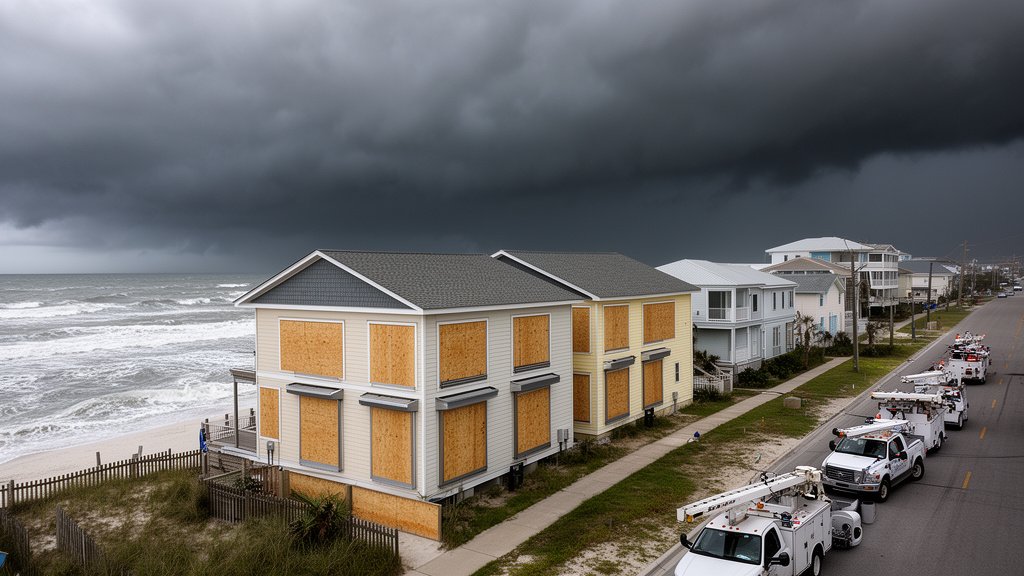

The National Hurricane Center is closely monitoring the Atlantic basin, highlighting the first potential area of interest for the 2026 hurricane season. Forecasters are analyzing atmospheric conditions to predict the likelihood of tropical cyclogenesis in the coming days.
Key Highlights:
- The National Hurricane Center has identified an initial area of interest for the 2026 Atlantic hurricane season.
- Atmospheric conditions are being closely evaluated for tropical development.
- This early monitoring signals the potential start of increased tropical activity.
- Residents in coastal areas are advised to stay informed about developing weather patterns.
Early Season Watch: NHC Identifies First Area of Interest
The National Hurricane Center (NHC) has officially signaled the first potential area of concern for the 2026 Atlantic hurricane season, a move that typically precedes an increase in tropical activity. While the designation does not guarantee storm formation, it indicates that conditions are becoming marginally favorable for a tropical cyclone to develop. Meteorologists at the NHC are meticulously examining a disturbance, likely an area of disorganized showers and thunderstorms, to assess its potential to organize and strengthen into a named storm.
Monitoring Tropical Development
The process of identifying an area of interest involves sophisticated weather models and observational data from satellites and aircraft. The NHC’s expert meteorologists analyze factors such as sea surface temperatures, atmospheric moisture, wind shear, and the presence of a well-defined circulation. An area of interest is a broad classification, ranging from a ‘low’ probability of development within the next two days to a ‘medium’ or ‘high’ probability. The NHC’s public advisories provide detailed information on the current status and forecast for these systems.
Historical Context and Early Season Activity
While the official start of the Atlantic hurricane season is June 1st, it is not uncommon for tropical activity to manifest earlier. The occurrence of an area of interest before the official start date underscores the importance of year-round preparedness. Past seasons have seen storms form in May, highlighting the dynamic nature of Atlantic weather patterns. Understanding these early season trends is crucial for coastal communities to remain vigilant and prepared for potential impacts.
Preparedness and Information Dissemination
The NHC’s advisories serve as the primary source of official information regarding tropical cyclones. Residents in hurricane-prone areas are strongly encouraged to monitor these updates regularly, especially when an area of interest is designated. Preparedness measures, such as developing an emergency plan, assembling a disaster kit, and staying informed about evacuation orders, are vital steps that can significantly mitigate risks associated with tropical weather events. The NHC’s proactive monitoring and communication are foundational to public safety.
FAQ: People Also Ask
What is an area of interest according to the National Hurricane Center?
An area of interest is a region in the tropics where the National Hurricane Center identifies a potential for tropical cyclone formation within the next seven days. These areas are classified by their probability of development (low, medium, or high).
Can a tropical storm form before the official hurricane season start date?
Yes, while the Atlantic hurricane season officially runs from June 1st to November 30th, tropical storms and hurricanes can and sometimes do form before June 1st.
How does the NHC determine the potential for storm formation?
The NHC uses a combination of advanced weather models, satellite imagery, and reconnaissance aircraft data to assess factors like sea surface temperatures, atmospheric stability, wind shear, and the presence of a closed circulation.
What should residents do when an area of interest is identified?
Residents in coastal and hurricane-prone areas should begin reviewing their hurricane preparedness plans, ensuring their emergency kits are stocked, and staying informed by monitoring official advisories from the NHC and local emergency management agencies.