Global Tensions Flare and a Typhoon Makes Landfall
The night of July 11-12, 2026, was marked by a series of critical global developments that demanded immediate international attention. In the volatile Strait of Hormuz, Iran’s Islamic Revolutionary Guard Corps (IRGC) announced it had fired warning shots at a vessel for attempting to use an unauthorized route, escalating existing tensions with the United States and its allies. This incident occurred amidst ongoing retaliatory strikes between Iran and the U.S. Central Command (CENTCOM), with the U.S. having conducted a third round of strikes targeting approximately 140 Iranian military sites in response to previous attacks on commercial vessels. The IRGC also claimed to have struck a second vessel and targeted U.S. bases in Qatar, Jordan, and Kuwait.
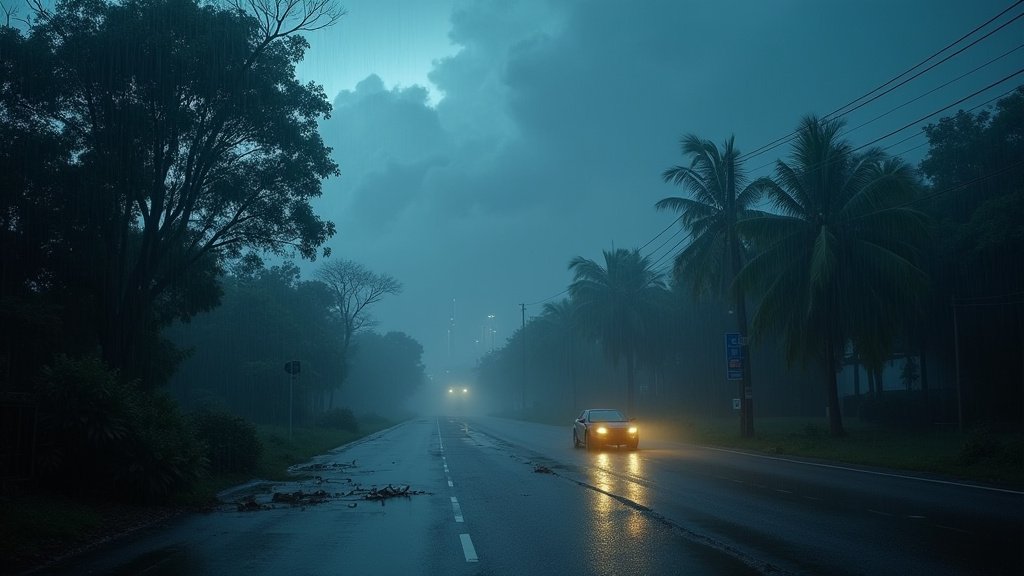
Meanwhile, Typhoon Bavi, after strengthening into a super typhoon over the Pacific, made landfall in eastern China’s Zhejiang Province. The storm, packing maximum sustained winds of around 144 kilometers per hour (89 mph), led to the evacuation of over 2.2 million people in Zhejiang, with hundreds of thousands more evacuated in neighboring Fujian and Shanghai. Bavi brought torrential rainfall and widespread flooding, uprooting over 1,300 trees in Yueqing and causing significant disruptions to transportation, including the cancellation of hundreds of flights at Shanghai’s airports. Taiwan reported at least 134 injuries due to wind-blown debris and slippery roads when the typhoon passed nearby.
In domestic U.S. news, the bipartisan 21st Century ROAD to Housing Act automatically became law on July 11, 2026, after President Trump did not sign or veto it within the constitutional timeframe. This landmark legislation, considered the most significant housing bill in decades, aims to increase housing supply, reduce construction costs, and encourage local development through various provisions, including streamlined environmental reviews, incentives for zoning reforms, and expanded support for manufactured housing.
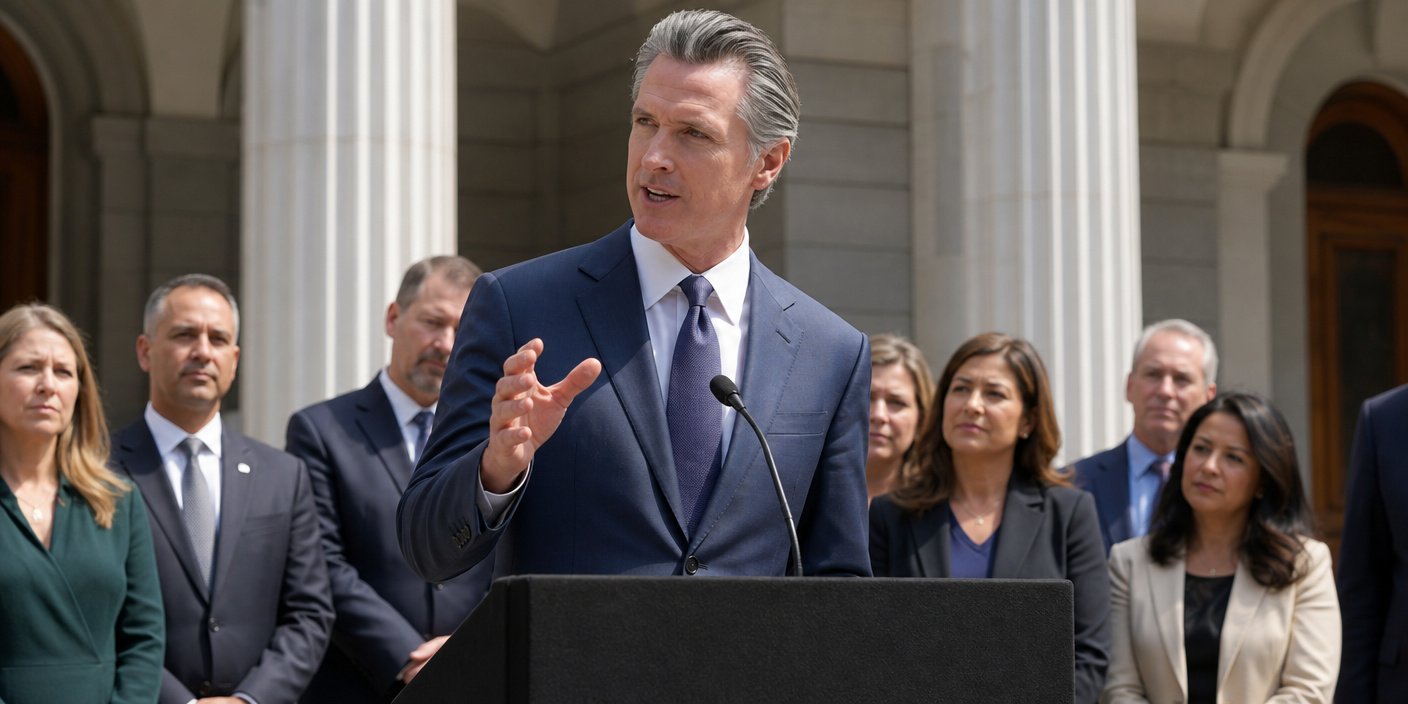
Adding to the day’s complex events, U.S. Democratic lawmaker Ro Khanna reported being detained by armed settlers in the West Bank. Khanna stated that masked settlers carrying U.S.-made M4 rifles surrounded his group’s vehicles near Khirbet Zanuta and that the Israeli military sided with the settlers, prolonging their detention. The Israeli military, however, disputed parts of Khanna’s account, stating that their troops dispersed the Israeli civilians and allowed the vehicles to continue.
Finally, the White House directed FBI Director Kash Patel to oversee a leak investigation concerning The New York Times’ reporting on security issues related to Air Force One. The investigation was prompted by subpoenas issued to several Times reporters, leading to criticism that the administration was targeting journalists and threatening press freedom.
Escalation in the Strait of Hormuz and Broader Regional Conflict
The events in the Strait of Hormuz represent a significant escalation in the ongoing naval confrontations between Iran and the United States. The IRGC’s declaration of closing the strait until “US interference” ceases signals a deliberate move to disrupt global oil supply routes, which could have severe economic repercussions. The IRGC’s claim of striking a second vessel and targeting U.S. bases in Qatar, Jordan, and Kuwait indicates a widening of the conflict beyond naval skirmishes. U.S. Central Command’s continuous strikes against Iranian targets underscore the retaliatory nature of the conflict, with both sides demonstrating a willingness to engage militarily. The involvement of regional powers like Qatar, which condemned the Iranian attacks, highlights the potential for the conflict to destabilize the entire West Asian region. The underlying causes appear to be a complex interplay of geopolitical maneuvering, strategic control over vital waterways, and responses to perceived aggressions. The implications for international shipping and energy markets are substantial, given that the Strait of Hormuz is a critical chokepoint for global oil transit.
Typhoon Bavi’s Impact on Eastern China and Taiwan
Typhoon Bavi’s landfall in China serves as a stark reminder of the increasing frequency and intensity of extreme weather events. The massive evacuations, numbering over 2.2 million people in Zhejiang province alone, highlight the scale of preparation undertaken by Chinese authorities. The storm’s extensive rain bands, stretching as far as 1,000 kilometers, posed a threat of widespread flooding and landslides, even after its weakening inland. The disruption to major transportation hubs like Shanghai’s airports and the damage to infrastructure, such as the uprooting of over 1,300 trees in Yueqing, underscore the economic and social costs of such natural disasters. The impact on Taiwan, with 134 injuries reported, further emphasizes the storm’s broad reach and destructive potential. This event aligns with broader scientific concerns about climate change exacerbating typhoon intensity and frequency in the region.
The 21st Century ROAD to Housing Act: A New Era for U.S. Housing Policy
The automatic enactment of the 21st Century ROAD to Housing Act marks a significant moment in American housing policy. The legislation’s bipartisan support, evidenced by its passage in both the House and Senate with overwhelming majorities, suggests a shared national concern for housing affordability and accessibility. Key provisions, such as streamlining environmental reviews and incentivizing zoning reforms, directly address regulatory hurdles that have historically driven up construction costs. The inclusion of measures to support manufactured housing and restrict large institutional investors from purchasing single-family homes aims to broaden homeownership opportunities. The law’s impact on Tribal communities, by expanding their eligibility for federal housing programs, is also a notable aspect, though advocacy groups suggest it may not fully address all their unique challenges. The act’s long-term effects on housing supply, affordability, and the market dynamics between individual buyers and institutional investors will be closely watched.
West Bank Incident: A Flashpoint in Israeli-Palestinian Relations
The reported detention of U.S. Congressman Ro Khanna by armed settlers in the West Bank, coupled with conflicting accounts from Israeli authorities, has brought renewed attention to the volatile situation in the region. Khanna’s description of settlers wielding U.S.-made M4 rifles and the alleged complicity of Israeli Defense Forces (IDF) paints a picture of escalating settler aggression and a challenging environment for human rights monitoring. The IDF’s differing account, which states their troops dispersed the civilians and did not participate in the blocking, highlights the complexities and disputes that often surround such incidents. The incident raises critical questions about the safety of international visitors, the role of settler violence, and the effectiveness of Israeli security forces in protecting all parties. The involvement of U.S.-made weapons in such confrontations also draws attention to America’s role in the region.
White House Leak Investigation and Press Freedom Concerns
The White House’s directive to FBI Director Kash Patel to lead an investigation into leaks concerning Air Force One security, and the subsequent issuance of subpoenas to New York Times reporters, has ignited concerns about press freedom and government transparency. The decision to subpoena journalists, particularly when alternative avenues for identifying leakers might exist, is often viewed as an overreach and an attempt to intimidate the press. The New York Times has vowed to challenge the subpoenas in court, arguing that such actions are an attack on the First Amendment. This development occurs against a backdrop of heightened scrutiny over information security and leaks, particularly concerning sensitive government operations and presidential assets like Air Force One. The administration’s focus on identifying sources of leaks, while understandable from a national security perspective, must be balanced against the public’s right to know and the essential role of a free press in a democracy.
FAQ: People Also Ask
What was the primary cause of the incident in the Strait of Hormuz?
The incident in the Strait of Hormuz was reportedly caused by a vessel attempting to use an unauthorized route and ignoring demands from the Islamic Revolutionary Guard Corps (IRGC) to change course. The IRGC stated that the vessel had deactivated its tracking systems, posing a threat to maritime security.
How many people were evacuated due to Typhoon Bavi in China?
More than 2.2 million people were evacuated in Zhejiang province, China, due to Typhoon Bavi. Additional evacuations took place in neighboring Fujian and Shanghai, with over 180,000 and 290,000 people moved, respectively.
When did the 21st Century ROAD to Housing Act become law?
The 21st Century ROAD to Housing Act automatically became law on July 11, 2026, after President Trump neither signed nor vetoed it within the constitutional timeframe.
What is the U.S. response to Iran’s actions in the Strait of Hormuz?
In response to Iran’s actions, U.S. Central Command (CENTCOM) conducted a third round of strikes against approximately 140 Iranian military targets. The U.S. has also demanded that Iran cease its attacks on ships and open the Strait of Hormuz.
Why was the New York Times subpoenaed in the Air Force One leak investigation?
The New York Times reporters were subpoenaed as part of a federal investigation into leaks of information regarding security concerns surrounding President Trump’s use of the new Air Force One. The investigation is being overseen by FBI Director Kash Patel.