
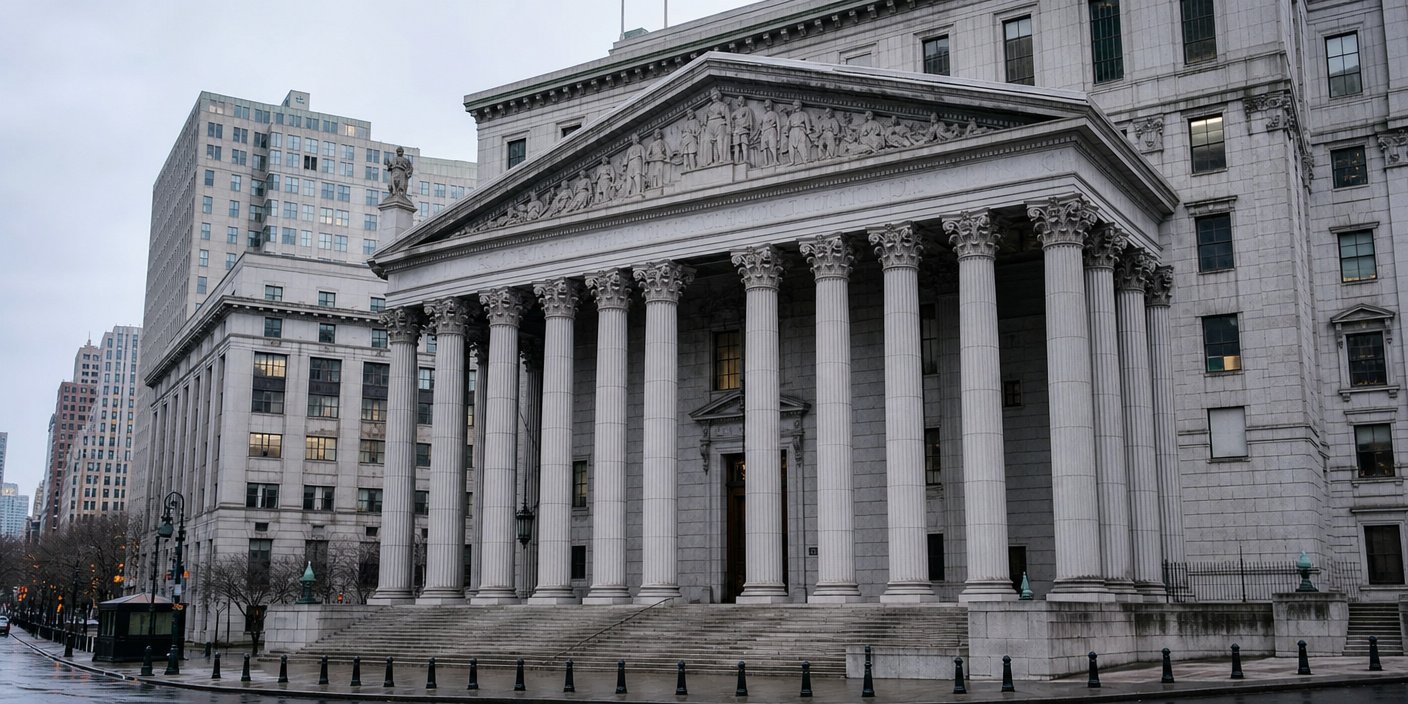
Governor Kathy Hochul and New York Attorney General Letitia James have initiated a major legal offensive against KalshiEX, LLC, the prediction market platform, asserting that its operations constitute an unlicensed and illegal gambling enterprise within the state of New York. The lawsuit marks a critical escalation in the ongoing conflict between emerging financial technology platforms, which categorize their services as predictive event contracts, and state regulators, who maintain that these platforms are essentially casinos operating without proper authorization.
Key Highlights
- Legal Action: New York officials filed suit against KalshiEX, LLC, seeking to halt operations that the state claims violate New York gambling statutes.
- Regulatory Clash: While Kalshi maintains it is a regulated entity under federal oversight, New York officials argue that state law specifically prohibits the types of speculative wagering offered on the platform.
- Consumer Risk: Governor Hochul and AG James cite significant financial risk to users, arguing that the gamification of election outcomes and other real-world events encourages reckless speculation.
- Precedent Setting: The lawsuit challenges the jurisdictional boundaries between the Commodity Futures Trading Commission (CFTC) and state authorities regarding financial innovation.
The Legal Collision: State Authority Versus Federal Markets
The central tension of the litigation lies in the legal classification of Kalshi’s business model. KalshiEX, LLC, which operates as a designated contract market under the supervision of the Commodity Futures Trading Commission (CFTC), positions itself as a financial exchange. It allows users to trade on the outcome of future events—ranging from economic metrics like inflation rates to political events like presidential elections—through what the company terms “event contracts.”
However, New York’s legal challenge, spearheaded by the Office of the Attorney General, argues that these contracts are a semantic shield for what is, in practice, illegal gambling. New York state law is famously stringent regarding gaming and betting, requiring explicit licensure and regulation that the state claims Kalshi lacks. The lawsuit alleges that by allowing users to stake money on the outcomes of events that are inherently uncertain and disconnected from traditional hedging strategies, the platform is effectively operating an unlicensed betting parlor.
The Definition of a ‘Contract’
Central to the argument is the legal distinction between a “derivative” and a “wager.” Kalshi contends that its contracts allow individuals to hedge against real-world volatility. For example, an investor might bet on an interest rate hike to offset the cost of a mortgage adjustment. New York regulators, however, argue that the bulk of Kalshi’s volume—particularly concerning election betting—lacks a legitimate commercial hedging purpose and is driven purely by speculation. The state’s position is that when a financial instrument serves no purpose other than to profit from a binary outcome, it loses its status as a financial derivative and enters the realm of gambling.
Protecting the Public from Financial Volatility
Governor Hochul has emphasized that consumer protection is the primary driver behind this enforcement action. The legal filing suggests that these platforms prey on the public’s desire to monetize political opinions, exposing everyday retail investors to losses they may not fully understand. By marketing these bets as “investments,” officials argue that platforms like Kalshi risk luring vulnerable consumers into high-stakes volatility that lacks the guardrails found in traditional, regulated securities markets.
Secondary Angles: The Future of Prediction Markets
To understand the broader implications of this case, one must examine three critical secondary angles that will influence the future of the fintech sector.
1. The Jurisdictional Tug-of-War
This lawsuit sets up a landmark battle over federal preemption. If the CFTC has deemed Kalshi a legitimate market, does that federal designation override state-level gambling prohibitions? If the court rules in favor of New York, it could essentially create a “state-by-state” map of legality for prediction markets, fundamentally chilling the growth of the industry in states with strict gaming laws.
2. The Precedent for Other Platforms
Kalshi is not the only player in this space. Other platforms like Polymarket have faced similar scrutiny. The outcome of the New York case will likely serve as a blueprint for other Attorneys General nationwide. If New York succeeds in characterizing these products as illegal gambling, we can expect a domino effect of similar lawsuits across the country, potentially forcing prediction markets to geofence or exit the US market entirely.
3. The Legitimacy of ‘Event Contracts’
Regardless of the court’s decision, the discourse has sparked a necessary public debate on the legitimacy of “event contracts.” Are these instruments a democratic tool for revealing the “wisdom of the crowds,” or are they purely parasitic on the political process? The legal resolution will likely compel the industry to tighten its regulatory compliance, potentially forcing a shift away from pure political betting toward more “utility-based” economic contracts to survive future legal challenges.
FAQ: People Also Ask
Q: What is KalshiEX, LLC?
A: Kalshi is a fintech platform that allows users to trade on the outcome of future events. It is registered with the Commodity Futures Trading Commission (CFTC) as a designated contract market, allowing it to offer “event contracts” to the public.
Q: Why is New York suing Kalshi?
A: New York officials, including Governor Kathy Hochul and AG Letitia James, argue that Kalshi is running an unlicensed and illegal gambling operation. They contend that the platform’s “event contracts” are actually wagers on uncertain outcomes, violating state gambling laws.
Q: Does this lawsuit affect federal regulation?
A: The lawsuit highlights a tension between federal oversight (by the CFTC) and state law. While the CFTC has approved the platform’s status as a contract market, New York is asserting its sovereign authority to regulate activities it defines as illegal gambling within its borders.
Q: Are users of Kalshi currently breaking the law?
A: The lawsuit is directed at the platform’s operations, not its individual users. However, the legal uncertainty creates a risk environment for anyone participating in the platform while residing in jurisdictions where the service may be deemed illegal.