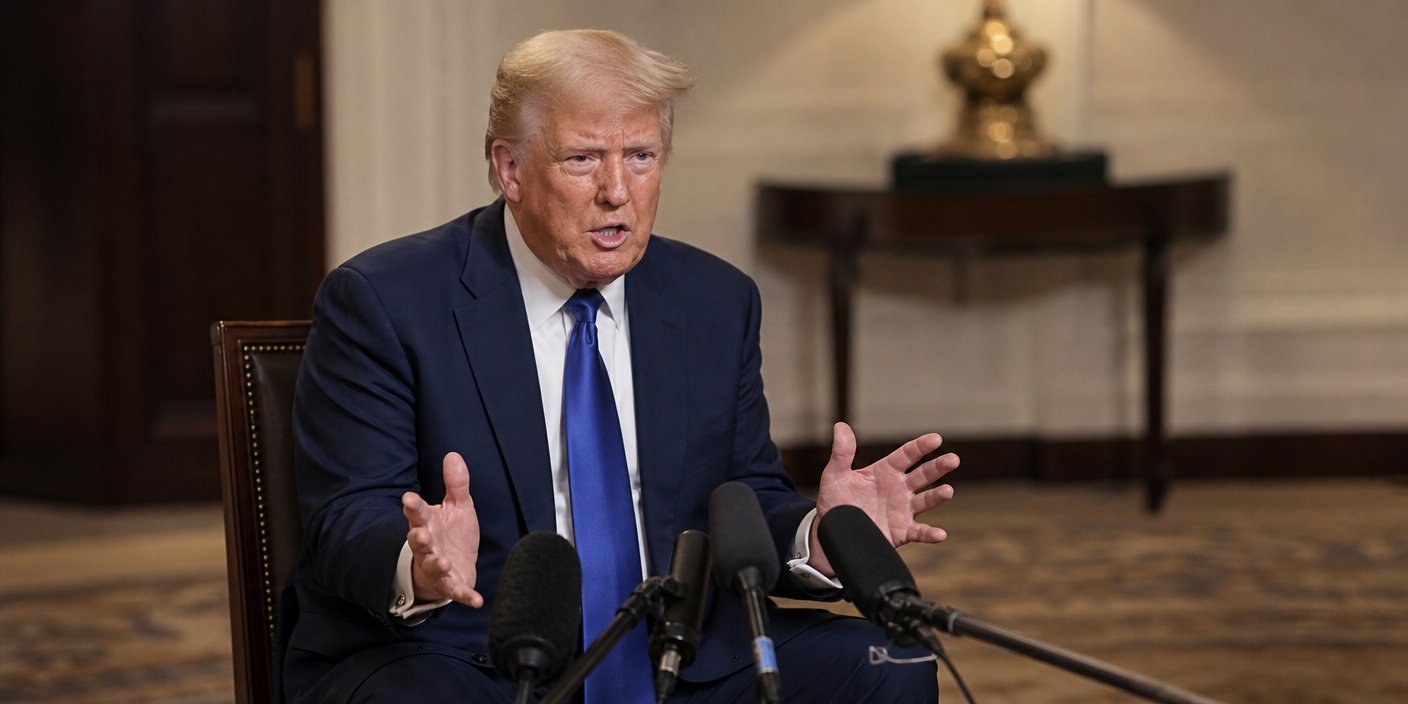
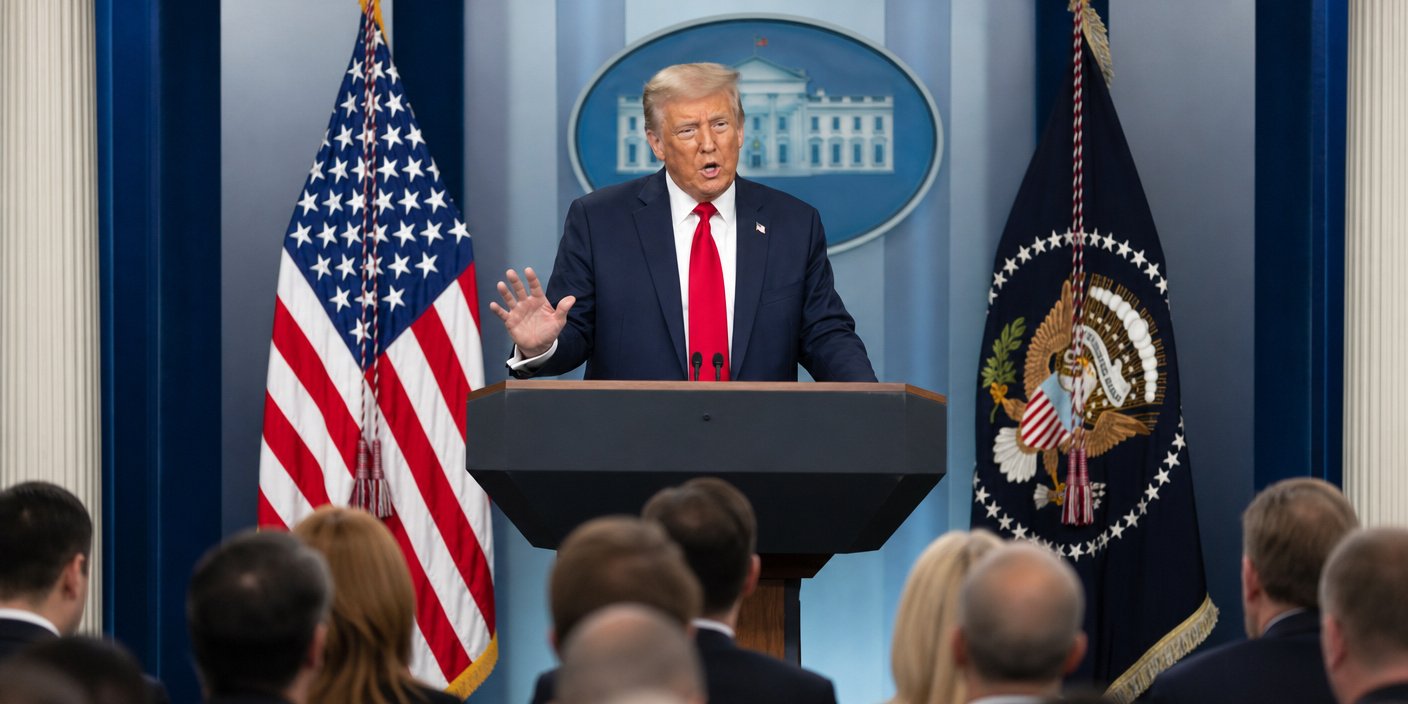
President-elect Donald Trump has announced a potential breakthrough in the Middle East, unveiling a high-stakes diplomatic framework aimed at ending the ongoing war in the Gaza Strip. The proposed agreement rests on a singular, transformative premise: Hamas and affiliated Palestinian factions agree to comprehensive disarmament and the formal ceding of control in Gaza, contingent upon a complete withdrawal of Israeli forces from the enclave. While the administration has touted this as a major diplomatic achievement, the transition from proposal to implementation remains the most critical hurdle, with verification mechanisms and Israeli government approval still pending.
Key Highlights
- The Swap: A formal exchange where Palestinian factions commit to full disarmament and surrender of governance in exchange for an Israeli military withdrawal from the Gaza Strip.
- Diplomatic Momentum: President Trump has prioritized this framework, framing it as the cornerstone of a broader, stable regional security architecture.
- Critical Verification: The deal relies on a robust, as-yet-defined mechanism to verify the surrender of heavy weaponry and the dismantling of militant infrastructure.
- The Israeli Variable: While the deal is on the table, it requires formal ratification from the Israeli leadership, who have set specific security benchmarks for any withdrawal.
The Geopolitics of the Proposed Gaza Disarmament Accord
The announcement of this Gaza disarmament deal represents one of the most significant shifts in regional diplomacy since the current conflict began. By framing the agreement as a binary choice—disarmament for withdrawal—the proposal attempts to cut through the protracted, often stagnant negotiations that have characterized the last year. However, analysts warn that the complexity of the ground situation in Gaza, where governance and militancy have been deeply intertwined for nearly two decades, makes this an incredibly fragile development.
Examining the Core Principles of the Deal
At its heart, the agreement is an attempt to achieve a “clean break” from the cycle of violence. The logic is simple but daunting in practice: if Hamas relinquishes its status as a militant governing body, the primary justification for the Israeli military presence is ostensibly removed. This approach signals a strategic pivot by the incoming administration, moving away from open-ended conflict management toward a transactional, security-focused resolution.
However, the definition of “disarmament” is the central point of contention. For international observers and regional powers, this implies the surrender of rocket stockpiles, the destruction of tunnel networks, and the integration of security oversight into a yet-to-be-named transitional authority. Critics of the plan argue that without a clear, internationally backed force to step into the security vacuum, disarmament could lead to internal power struggles or the rise of splinter groups, potentially creating a new, unpredictable security threat.
The Verification Dilemma: Can Trust Be Managed?
Perhaps the most significant barrier to the success of this agreement is the absolute necessity of verification. In previous ceasefires and diplomatic attempts, the lack of a neutral, empowered third party to oversee the decommissioning of assets has frequently led to the collapse of the agreements. For this deal to hold, the international community—likely involving the United States Department of State and perhaps regional partners like Egypt and Qatar—must establish an auditing mechanism that is both transparent to Israel and acceptable to the Palestinian representatives.
This verification process must address the “who” and the “how.” Who will monitor the dismantling of the tunnel infrastructure? Who will account for the remaining caches of weaponry? If even a fraction of the hardware remains or if Hamas maintains a shadow governance structure, the deal could unravel immediately. The White House, in touting this achievement, must now pivot to the logistical nightmare of implementation.
Regional Reactions and the Israeli Perspective
Israel’s response to the proposal is the ultimate litmus test for the deal’s viability. Prime Minister Netanyahu and his cabinet have consistently maintained that the war cannot end until the threat from Gaza is neutralized. While the disarmament of factions would technically meet that objective, the internal political pressure in Israel is immense. There is deep-seated skepticism among the Israeli public and security establishment regarding the credibility of any promises made by Hamas.
Conversely, regional powers such as Saudi Arabia, Jordan, and the United Arab Emirates are watching closely. For these nations, a successful, stable resolution in Gaza is a prerequisite for broader regional normalization efforts. If this deal can be executed without resulting in a subsequent collapse, it could pave the way for a more integrated Middle Eastern security bloc, potentially reshaping the regional order for decades to come.
Humanitarian and Economic Implications for Gaza
Beyond the security calculations, the humanitarian dimension of this proposal is staggering. Gaza’s infrastructure has been decimated, and a generation of civilians has been displaced or traumatized by the ongoing conflict. A withdrawal and disarmament deal would theoretically open the door for massive international reconstruction efforts. Organizations like the United Nations, alongside various NGOs, are positioned to flood the region with aid, but this can only happen in a secure, stable environment.
If the disarmament deal holds, the economic implications could be profound. The prospect of rebuilding ports, housing, and energy grids could provide the necessary incentive for the Palestinian population to support a transition away from a militant-led economy. However, this relies entirely on the successful establishment of a technocratic governance structure that can manage funds transparently, a challenge that has haunted Palestinian politics for years.
Historical Context and Future Precedents
History is replete with failed peace attempts in the Levant, often due to the “all-or-nothing” nature of the demands on both sides. What makes this proposal unique is the direct, top-down pressure applied by the United States. This is not a grassroots negotiation; it is a forced diplomatic path. Whether this top-down approach can override the deep historical grievances remains the primary question. If successful, it would serve as a powerful precedent for future conflict resolution in other regions, suggesting that decisive, high-pressure mediation can succeed where slow-moving diplomatic consensus has failed.
FAQ: People Also Ask
Q: Has Israel officially accepted the terms of this deal?
A: As of the latest reports, Israeli approval is pending. While discussions are active, the Israeli government has indicated they require concrete security guarantees and clear definitions of the disarmament process before moving forward.
Q: What happens if Hamas refuses to disarm?
A: The agreement is predicated on the condition of disarmament. If factions refuse, the deal as outlined is effectively void, and the status quo of the military conflict is expected to continue.
Q: Who will verify the disarmament of the Palestinian factions?
A: Specifics regarding the verification body have not been publicly detailed. However, experts suggest it would likely require a coalition involving the U.S., regional Arab partners, and potentially international oversight agencies.
Q: What is the primary role of the U.S. in this agreement?
A: The U.S. is serving as the primary mediator and guarantor of the deal, leveraging diplomatic and economic influence to compel the parties toward the table and manage the implementation timeline.