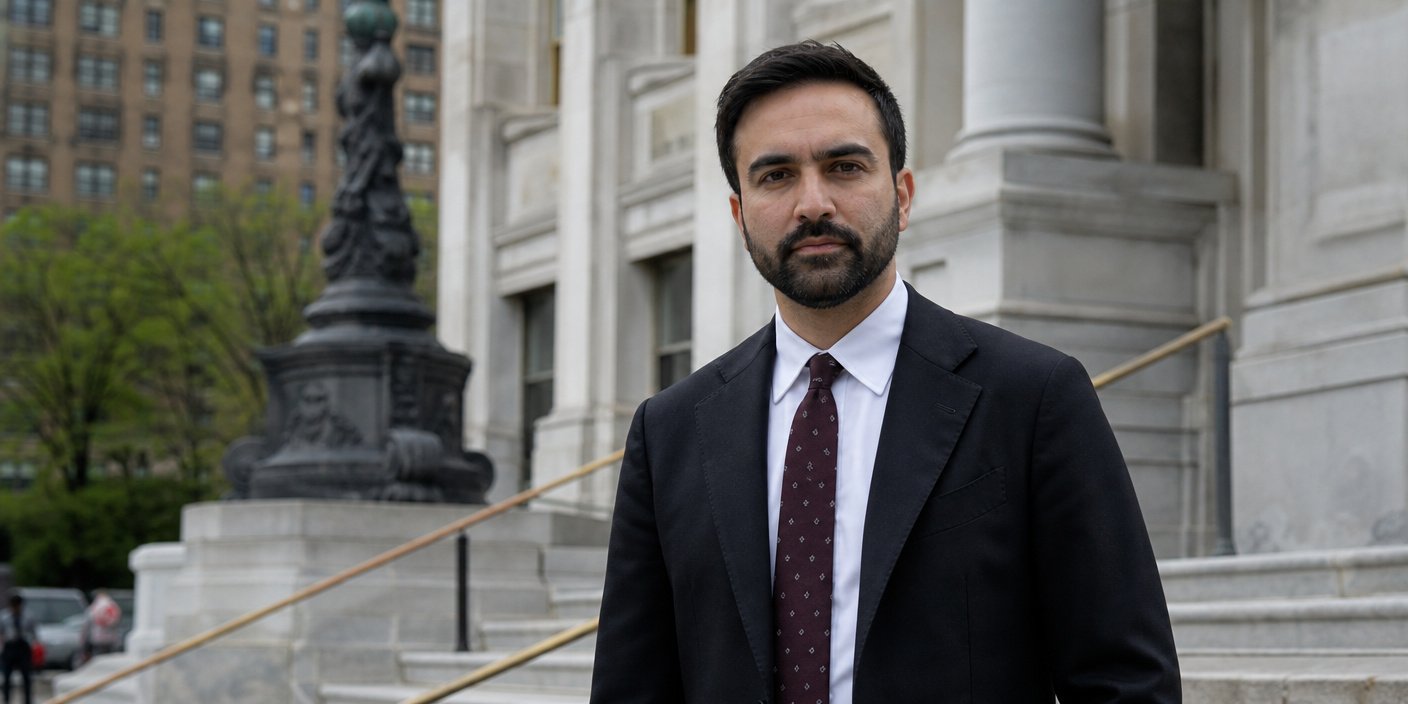
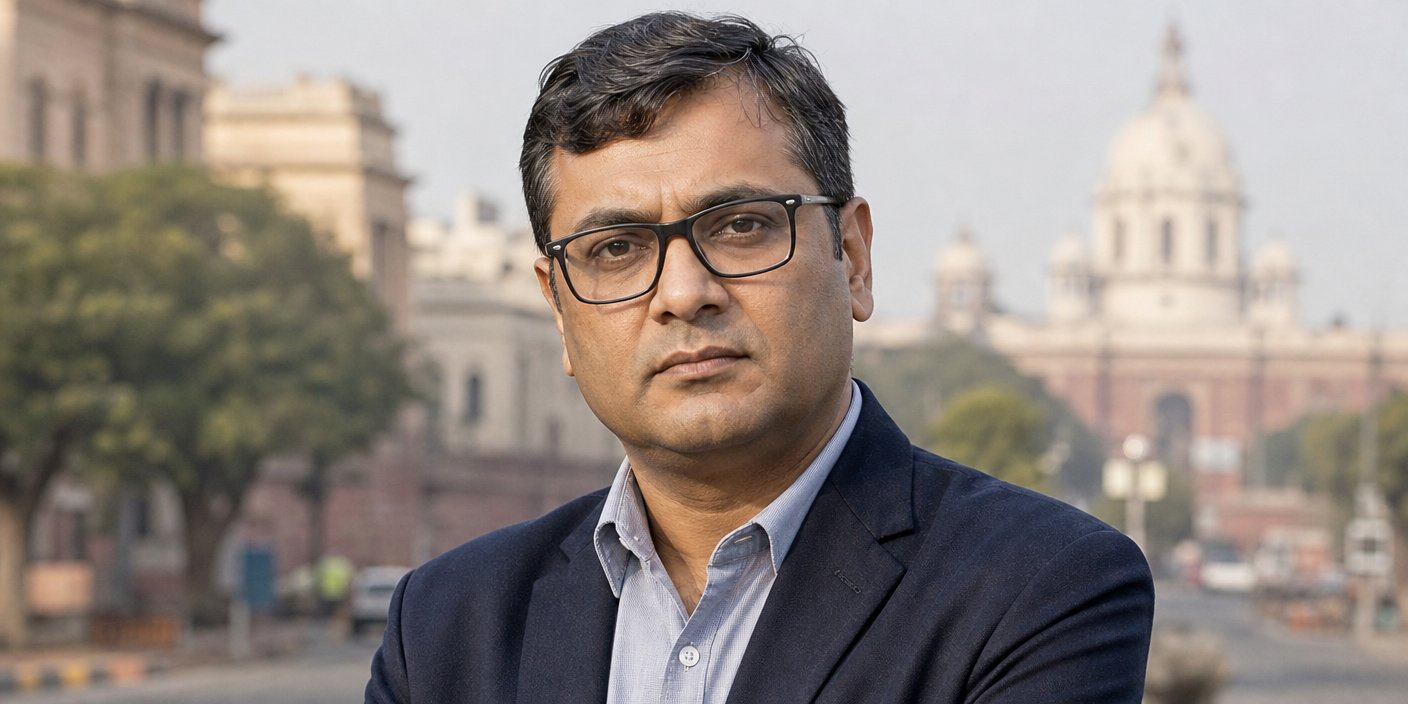
In a display of escalating tension between Indian authorities and grassroots activists, political strategist Abhijit Dipke was detained by New Delhi police this week while attempting to lead a protest rally. The demonstration demanded the immediate resignation of the nation’s chief election official, signaling a new, aggressive phase in Dipke’s ongoing campaign against the administrative structures of the Modi government. Dipke, who rose to prominence earlier this year for orchestrating a unique online protest movement that successfully pressured a high-ranking federal minister to step down, has now shifted his tactics from the digital sphere to the streets of the capital.
Key Highlights
- The Arrest: Abhijit Dipke was detained by New Delhi authorities while en route to a protest rally, marking a direct confrontation between the activist and the state apparatus.
- The Objective: The primary demand of the demonstration was the resignation of the Chief Election Commissioner, citing perceived procedural failures and administrative bias.
- The ‘Cockroach’ Legacy: Dipke is best known for leading a viral ‘Cockroach Movement,’ where activists mailed live cockroaches to the Ministry of Information and Broadcasting to protest the Draft Broadcasting Services (Regulation) Bill.
- Shift in Tactics: The transition from online satire to in-person mobilization represents a strategic evolution in how Indian activists are engaging with the current administration.
The Evolution of Protest: From Satire to Street
The detention of Abhijit Dipke in New Delhi is more than a localized policing event; it is a case study in the changing dynamics of political dissent in India. For months, Dipke has operated on the fringes of traditional political maneuvering, utilizing social media and unconventional protest art to bypass mainstream gatekeepers. His rise—often documented via viral threads and coordinated digital campaigns—illustrates a significant shift in how younger, tech-savvy demographics are engaging with governance.
The Anatomy of the ‘Cockroach’ Movement
To understand the gravity of the current protests, one must examine the catalyst that brought Dipke into the national spotlight: the ‘Cockroach Movement.’ Earlier this year, in a move that drew widespread national attention, Dipke and his coalition of activists utilized a highly unorthodox strategy to oppose the Draft Broadcasting Services (Regulation) Bill.
The protest involved activists mailing cockroaches to the office of the Union Ministry of Information and Broadcasting. While the tactic was dismissed by some as a publicity stunt, the symbolic impact was undeniable. The cockroach, often used as a metaphor for the pervasive reach of bureaucracy or ‘pests’ in the system, became a potent image that resonated with a public already concerned about government overreach. The campaign’s viral nature forced the administration into a reactive position, eventually contributing to the resignation of a key federal minister. It demonstrated a repeatable model: identifying a legislative or administrative point of friction, applying relentless digital pressure, and eventually forcing a face-to-face accounting.
Targeting the Election Commission
Dipke’s current focus on the Election Commission of India (ECI) represents a significant escalation. Unlike his previous campaign, which targeted a specific piece of legislation, this effort challenges the perceived impartiality of one of the country’s most critical democratic institutions. Dipke and his supporters allege that the Chief Election Commissioner has failed to uphold standards of transparency, creating an environment where fair play is structurally compromised.
This demand for resignation is not merely a request; it is a tactical attempt to destabilize the narrative of institutional stability that the Modi government relies upon. By directly challenging the ECI, Dipke is attempting to reframe the debate from specific policy issues to the legitimacy of the electoral process itself. This shift has alarmed government officials, resulting in the preemptive policing measures observed in New Delhi this week.
The State’s Containment Strategy
The response from the New Delhi police highlights the government’s growing sensitivity to these disruptive, decentralized protest movements. Traditional political parties often engage in predictable, scheduled protests. Dipke’s movement, however, is nimble, rapid, and relies on social media to congregate crowds, making it difficult for law enforcement to monitor or contain.
Security analysts observe that the detention of leaders like Dipke is a standard operational procedure to ‘cool off’ protest momentum. However, history suggests that such interventions often serve as a recruitment tool, turning organizers into martyrs of the cause and galvanizing their digital base. The challenge for the state is that the more they suppress these movements, the more they validate the activists’ claims of authoritarian overreach.
Future Implications for Digital Activism
The intersection of digital satire and physical street protest is a frontier that has yet to be fully mastered by either the Indian state or the opposition. As Abhijit Dipke remains a focal point for this tension, the coming months will likely see a battle of attrition. For the government, the goal is to maintain order and institutional authority; for Dipke, the goal is to keep the pressure high enough to force concessions, or at the very least, keep the conversation centered on the accountability of high-ranking officials.
Whether this specific rally in New Delhi succeeds in its immediate demand is almost secondary to the precedent being set. A precedent where an individual, armed only with a smartphone and a satirical concept, can effectively force a government to halt its operations and respond—even if that response is detention—is a fundamental change in the political landscape.
FAQ: People Also Ask
Why was Abhijit Dipke detained by the police?
Abhijit Dipke was detained during an attempted protest rally in New Delhi where he and other activists were demanding the resignation of the Chief Election Commissioner. Police intercepted the movement to prevent a public gathering.
What was the ‘Cockroach Movement’ led by Dipke?
The ‘Cockroach Movement’ was a viral, satirical protest campaign where activists mailed cockroaches to the Ministry of Information and Broadcasting. The protest was designed to oppose the Draft Broadcasting Services (Regulation) Bill and successfully pressured a minister to resign.
Is this the first time the Modi government has faced such protests?
While the government has faced many large-scale protests, the specific, decentralized, and satire-driven ‘guerrilla’ tactics employed by Dipke are distinct. These movements are characterized by their speed, viral nature, and ability to bypass traditional political party structures.
What is the current status of the movement to replace the Election Chief?
The movement is ongoing. Despite the detention of its leader, the campaign continues to organize via social media, with supporters framing the police action as a validation of their cause and a sign of government fragility.