As Israel marks the third anniversary of the catastrophic October 7, 2023, Hamas attacks, the nation braces for a watershed national election on October 27, 2026, which serves as a definitive referendum on Prime Minister Benjamin Netanyahu’s security policies and the future trajectory of the Jewish State.
Key Highlights
- Election Date: Israelis head to the polls on October 27, 2026, for a national election that will determine the composition of the next Knesset.
- The Security Referendum: The political landscape is dominated by the legacy of the October 7, 2023, tragedy, with voters weighing the government’s responsibility for the intelligence and security failures of that day.
- Coalition Tensions: The election follows a period of intense scrutiny over Prime Minister Benjamin Netanyahu’s coalition management and his handling of both regional security threats and domestic stability.
The Architecture of a Nation in Transition
The upcoming election on October 27, 2026, represents more than a routine transfer of power; it is the culmination of three years of national processing following the “Black Saturday” of October 7, 2023. For the average Israeli voter, the ballot box is no longer merely a venue for choosing political parties or economic platforms. Instead, it has become the primary mechanism for auditing the collective trauma and security policies that have defined the post-2023 era.
The Shadow of October 7
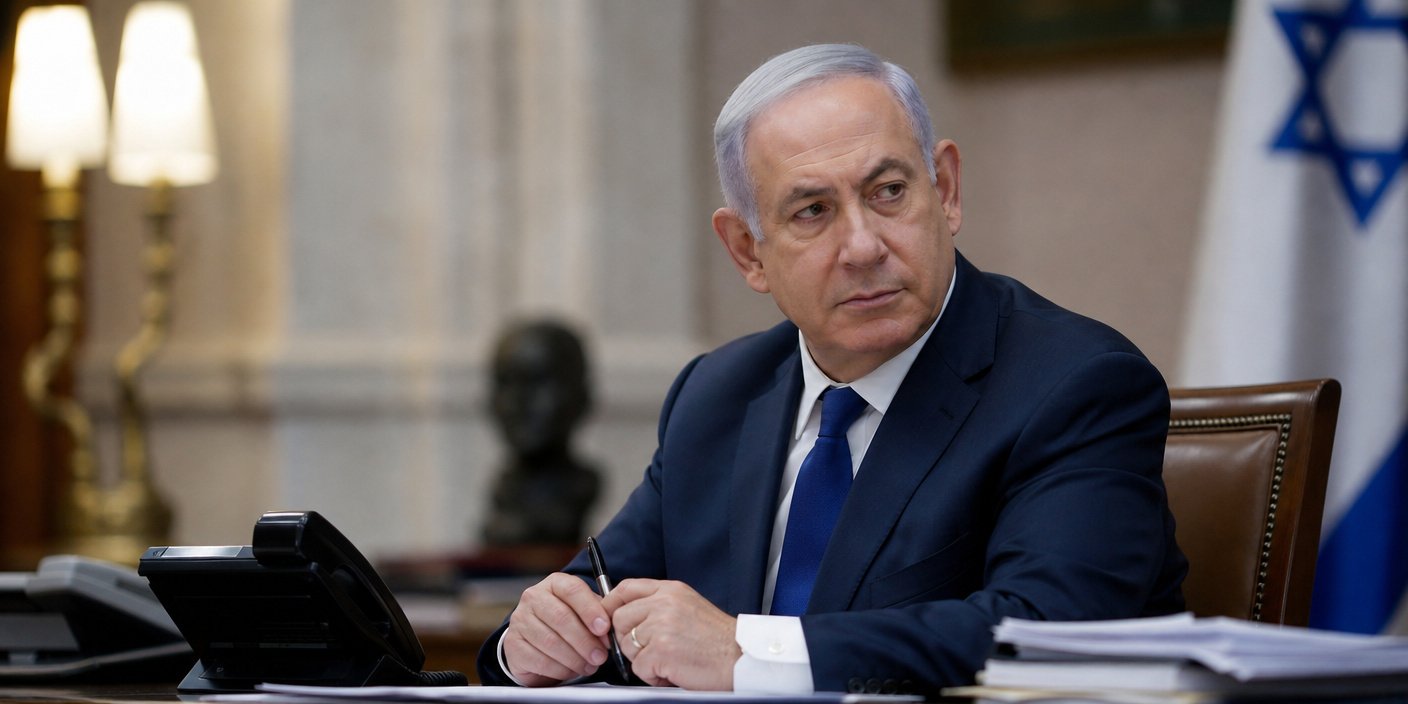
Prime Minister Benjamin Netanyahu, who has long branded himself as “Mr. Security,” faces his most daunting challenge in decades. The events of October 7, 2023, are etched into the national consciousness, not only as a military failure but as a collapse of the social contract between the state and its citizens. Critics argue that the intelligence apparatus, under the watch of his government, failed to preempt the threat, while supporters maintain that the ensuing campaign was the only viable path to restoring deterrence. As voters head to the polls this October, the central question is whether the public perceives the current administration as having learned the lessons of that tragedy or if the security architecture requires an entirely new leadership vision.
The Coalition Calculus
The Israeli Knesset is historically fractious, and the 2026 election is expected to follow this trend. Netanyahu’s Likud party is currently navigating a complex political environment, balancing the demands of his right-wing coalition partners with the moderate voices calling for systemic reform. The coalition’s handling of the hostage crisis—a pivotal issue since 2023—remains a polarizing factor. Opposition leaders have seized on the government’s perceived inability to secure the safe return of captives and maintain domestic unity as central pillars of their campaign strategy. As election day nears, the debate has shifted from purely tactical security measures to fundamental questions about the character of the Israeli state and its democratic institutions.
Economic and Social Pressures
Beyond the security discourse, the socio-economic impact of the past three years cannot be ignored. The financial strain of an extended security posture, coupled with the displacement of thousands of citizens from the northern and southern border regions, has created a fertile ground for dissent. Small business owners, reservists, and families affected by the conflict are calling for a revitalization of the economy and a pivot toward long-term stability. The electorate is signaling a desire for a government that can bridge the divide between the security-first mindset and the urgent need for domestic social cohesion.
Examining Future Geopolitical Alignments
A secondary, yet critical, angle of this election involves the future of Israel’s regional alliances. In the years following 2023, the diplomatic landscape in the Middle East has shifted dramatically. Candidates are now debating the merits of the current regional integration strategies against the backdrop of an evolving global power dynamic. This debate includes the normalization of relations with regional neighbors, the handling of the ongoing tensions with militant proxies, and the strengthening of the strategic partnership with international allies. Voters are forced to decide whether the current approach has successfully positioned Israel as a regional anchor or if a more radical shift in foreign policy is necessary to navigate the complexities of the 2026 international climate.
The Voter’s Dilemma: Security vs. Reform
As the final days of the campaign cycle approach, the polling data suggests a deeply divided electorate. The competition is not just between right and left, but between the desire for continuity and the demand for accountability. The “security vote”—traditionally a stronghold for the incumbent—is now being contested by those who argue that true security requires internal institutional reform. Whether Netanyahu can retain his mandate depends on his ability to convince a traumatized nation that his government is the only one capable of ensuring safety in an increasingly volatile region. Conversely, the opposition’s success rests on its capacity to offer a credible, alternative vision that addresses the root causes of the societal fractures exposed by the 2023 crisis.
FAQ: People Also Ask
Q: Why is the October 27, 2026, election being called a referendum?
A: The election is considered a referendum because it is occurring exactly three years after the trauma of the October 7, 2023, attacks. It forces the electorate to cast a vote on the government’s performance, security decisions, and overall leadership accountability since that specific date.
Q: What are the primary issues for Israeli voters in 2026?
A: The core issues include the assessment of the intelligence failures from 2023, the management of the hostage crisis, the economic costs of extended security operations, and the long-term stability of the governing coalition.
Q: How does the current security situation affect the election process?
A: The ongoing regional security concerns necessitate high-security awareness at polling stations. Furthermore, political discourse is heavily centered on military strategy, with every candidate required to articulate a clear vision for preventing future attacks like the one in 2023.