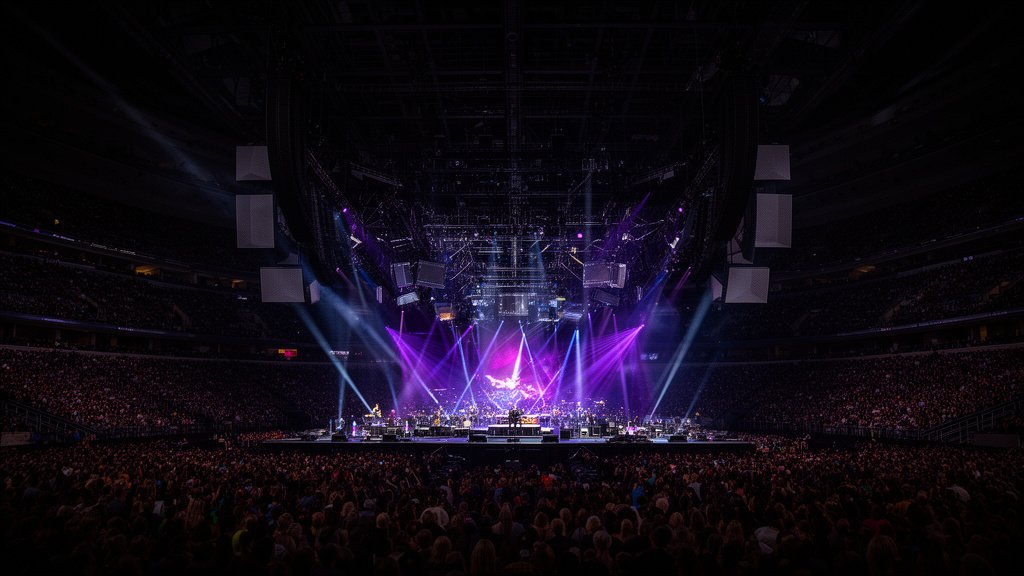
October 2026 is poised to be the most significant month in the American live music calendar, representing a fundamental shift in how artists engage with their fanbases. As touring logistics evolve and the festival circuit adapts to changing consumer demands, the industry is moving away from the oversaturated summer months toward a highly strategic, tech-heavy autumn schedule. This October, major metropolitan hubs and legendary festival grounds are preparing to host a mix of global superstars and experimental residencies that prioritize immersive experiences over traditional road-show formats.
Key Highlights
- The Residency Pivot: Major acts are favoring 10-to-15-date “residency” stops in key cities rather than grueling 60-date cross-country bus tours, reducing carbon footprints and increasing ticket exclusivity.
- Festival Resilience: The Austin City Limits (ACL) Music Festival remains the industry bellwether for October, with organizers reporting a 15% increase in experimental stage production budgets for 2026.
- Technological Integration: Concert venues are deploying high-fidelity spatial audio and AI-driven crowd management systems, setting a new “Gold Standard” for arena sound quality.
- Dynamic Pricing Shifts: Early data suggests a stabilization in “Dynamic Pricing” models, with “Fan-First” presale initiatives gaining traction among major promoters.
The Strategic Evolution of Fall Touring
For decades, the American concert industry operated on a “summer festival, fall arena” binary. However, October 2026 marks the definitive end of that traditional seasonality. Economic pressures, combined with a desire to optimize production value, have forced artists and promoters to rethink the touring lifecycle. We are witnessing a transition where the “Tour” is no longer just a series of dates, but a curated, temporary installation that demands specific venue infrastructure.
The Rise of the Destination Residency
One of the most profound trends defining October 2026 is the migration toward Destination Residencies. Rather than moving massive stage sets between cities every 24 hours—a logistical nightmare that drives up ticket prices—top-tier artists are anchoring themselves in Tier-1 cities for extended stays. This allows for more intricate set designs, utilizing permanent local infrastructure that simply cannot be replicated on a standard touring rig.
From a logistical standpoint, this shift is revolutionary. By utilizing local labor markets and reducing the constant wear and tear on specialized equipment, promoters are finding that they can offer more “premium” VIP experiences without necessarily ballooning the base ticket price. Analysts predict that this residency model will constitute nearly 40% of all major “A-list” touring activity by the end of Q4 2026. This isn’t just a win for production value; it is an economic necessity that is stabilizing the volatility in the live music sector.
Festival Infrastructure and the ACL Effect
No discussion of October concerts is complete without acknowledging the “ACL Effect.” The Austin City Limits Music Festival in Texas continues to serve as the anchor for the entire month’s touring circuit. In October 2026, ACL is testing new “Immersive Infrastructure,” which utilizes decentralized audio towers to eliminate sound bleed between stages. This technological leap is expected to be adopted by festivals nationwide by 2027.
Furthermore, the economic impact of the festival circuit in October is staggering. Local municipalities in regions hosting major October festivals are reporting projected tax revenue increases of 12% compared to pre-pandemic October figures. This “festival-as-economy-engine” model is compelling cities to invest in permanent upgrades to their public parks and arenas, creating a legacy effect that benefits local arts communities long after the tour buses have departed.
The Technological Frontier: Immersive Sound and AI
October 2026 will be remembered as the moment “Spatial Audio” became the baseline expectation for arena-scale performances. The integration of 360-degree immersive sound arrays—previously reserved for high-end cinematic experiences—is now appearing in major touring productions. This tech significantly alters the “best seat in the house” paradigm. In previous years, being front-center was the ultimate goal; now, with AI-calibrated sound distribution, the audio quality at the back of the arena floor is nearing parity with the sound mixing board.
Additionally, venue operators are rolling out AI-driven crowd flow analytics. By using real-time data to optimize entry and exit points, the “pre-show rush” and “post-show bottleneck”—two of the biggest detractors in the fan experience—are being drastically reduced. These advancements represent a $500 million investment across the top 20 US venues in preparation for the October peak season.
Secondary Angles: Economic, Technological, and Historical Context
To fully understand the weight of the October 2026 landscape, we must look beyond the stage.
1. The Inflation of Experience: While ticket prices have seen a steady climb, the value proposition is changing. Fans are no longer just paying for a performance; they are paying for a multi-sensory environment. The “experience economy” has forced promoters to bundle tickets with exclusive digital content, making the concert ticket a “key” to a broader digital ecosystem.
2. The Sustainability Shift: The environmental impact of touring is finally being addressed. With the rise of hybrid-electric transport for support equipment and solar-powered stage lighting arrays, the October 2026 circuit is being touted as the “Greenest Touring Season” to date. This is not just PR; it is a response to contractual mandates from major venues aiming for net-zero carbon status.
3. Historical Seasonality: Historically, October was often a “dead zone” for touring, used as a buffer between the summer festival season and the holiday run. By transforming this period into a peak window, the industry has successfully extended the revenue cycle by nearly eight weeks, providing stability for thousands of stagehands, sound engineers, and local venue staff who previously faced significant seasonal unemployment.
FAQ: People Also Ask
Q: Why are artists moving their tours to October in 2026?
A: Artists are moving to October to avoid the oversaturation of the summer touring months and to leverage better weather in Southern markets, allowing for a mix of indoor/outdoor “festival-style” venue setups that maximize production value.
Q: Is Dynamic Pricing still the standard for October 2026 concerts?
A: While dynamic pricing remains, the industry is seeing a shift toward “Fan-First” initiatives. Promoters are experimenting with tiered pricing structures and lottery-style access to curb aggressive scalping while ensuring revenue stability.
Q: How does the “Residency Model” affect ticket prices?
A: The residency model generally helps stabilize prices by reducing the “transportation tax” associated with constantly moving large-scale production setups, though premium VIP packages within residencies remain at a higher price point than standard general admission.
Q: Will immersive audio tech be available at every October concert?
A: Currently, immersive audio is primarily deployed in major arena and stadium-level tours. It is expected to become standard for major productions by late 2026, though smaller club-level venues will take longer to adopt these costly upgrades.