
The long-anticipated, sold-out concert series featuring American rapper and fashion mogul Ye, formerly known as Kanye West, scheduled for October 10 and 11 in St. Petersburg, Russia, has been officially cancelled. Organisers confirmed the decision after weeks of public uncertainty, ending intense speculation regarding whether the artist would make a rare appearance in the region. The cancellation marks a significant pivot point in the ongoing narrative surrounding Ye’s erratic touring schedule and the complex geopolitical landscape of hosting international artists in Russia during the current global climate.
A Timeline of Stalled Plans and Speculation
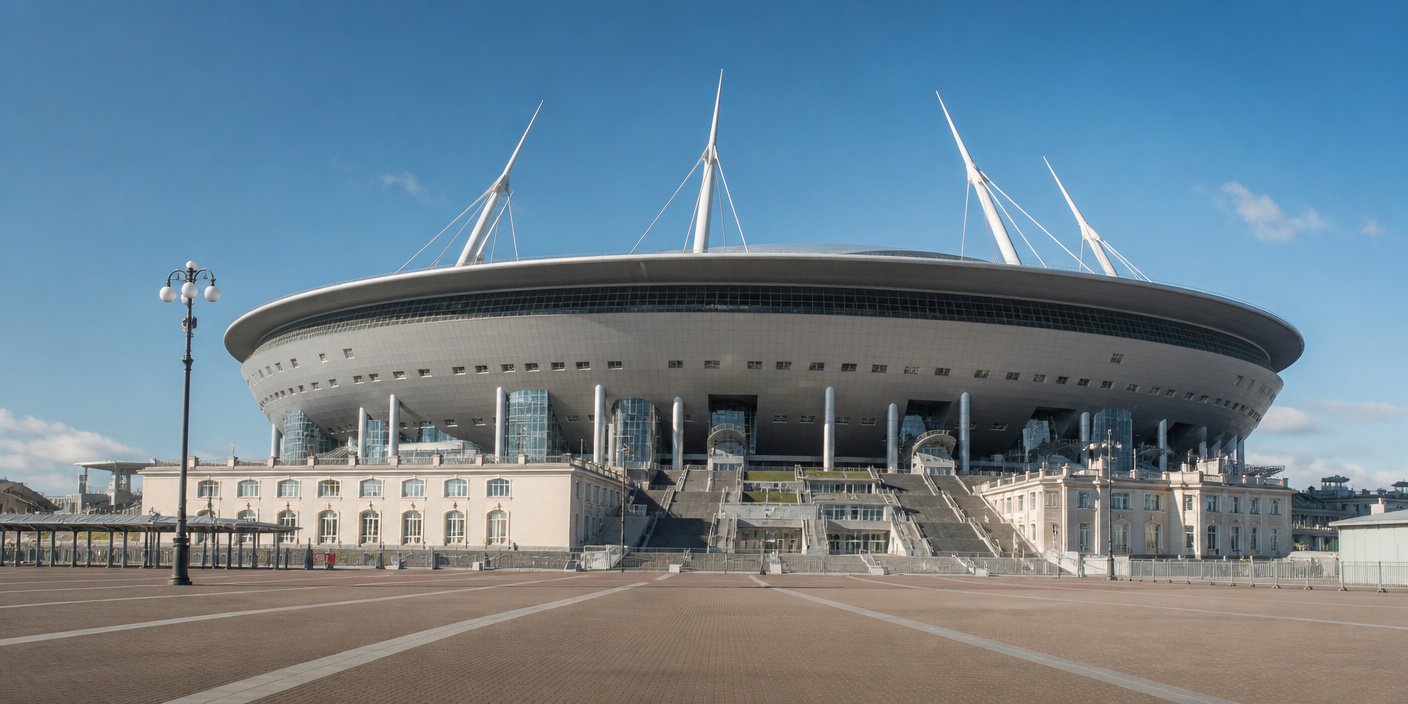
For weeks, the international music community and Russian fans had been gripped by rumors surrounding Ye’s potential trip to St. Petersburg. The prospect of an artist of his magnitude performing at a major Russian venue—often cited as the Gazprom Arena—created significant buzz in local media. Despite the initial fervor and the successful sell-out of tickets, the logistics behind the event began to fray publicly. Reports from local sources indicated that while the demand was clearly present, the operational support necessary to facilitate a production of this scale remained elusive.
Government objections, though rarely cited in explicit detail by the event promoters in their final termination notice, were widely understood to be the primary catalyst for the shutdown. The combination of logistical hurdles, potential security concerns, and the scrutiny applied to high-profile Western figures entering the country during the current geopolitical standoff created an environment where the concert could not proceed. The organisers’ decision to pull the plug, rather than postpone, signals that there is no immediate path forward for the event.
The Geopolitical Complexity of Touring in Russia
Hosting a global superstar like Ye in Russia carries implications far beyond the music industry. Since the escalation of the conflict in Ukraine, the cultural and economic isolation of Russia from Western entertainment markets has been nearly total. Most major touring acts have cancelled or refused to book dates in the region, adhering to global sanctions and ethical stances against the regime.
When a high-profile figure like Ye, known for his penchant for controversy and unpredictable behavior, expresses interest in performing, it immediately becomes a lightning rod for international criticism. The cancellation highlights the stark reality that international commerce and arts, particularly those involving high-profile American entities, are subject to a degree of state and geopolitical pressure that makes traditional touring models impossible. This event serves as a case study in how cultural diplomacy—or the lack thereof—functions in an era of severe polarization.
The Ye Factor: Erratic Touring and Brand Instability
Beyond the geopolitical landscape, Ye’s own brand of unpredictable touring has historically complicated his logistics. Whether due to changes in creative vision, personal instability, or shifting business priorities, the artist is not known for his commitment to standard touring timelines. This unpredictability creates a precarious environment for local promoters. When a promoter books an artist like Ye, they are essentially underwriting a risk profile that is significantly higher than that of other global entertainers.
In this instance, the mismatch between the artist’s volatile brand and the highly rigid, controlled environment of St. Petersburg’s event infrastructure likely exacerbated the friction. While the fans were eager, the behind-the-scenes reality required a level of professional stability that the current iteration of the Ye touring machine often struggles to provide. The cancellation, therefore, is as much a result of the artist’s own structural instability as it is a product of external state pressure.
Fallout for Local Promoters and Fans
For the fans who had already purchased tickets, the news is a significant disappointment. The logistical challenge now turns toward the refund process. In many international event markets, especially those under current economic sanctions, the recovery of funds can be a labyrinthine process. Local promoters are now tasked with managing the reputational fallout and the financial burden of unwinding what was promised to be the concert event of the year. For the city of St. Petersburg, which often positions itself as a cultural hub, the loss of these dates represents a missed opportunity to signal openness to the international community, regardless of the controversy attached to the performer.
FAQ: People Also Ask
Why were the Kanye West concerts in St. Petersburg cancelled?
The concerts were cancelled due to a combination of bureaucratic obstacles, government objections, and logistical complexities that became insurmountable. While the specific details regarding the government pushback were not explicitly detailed by organizers, the current geopolitical climate and the high-profile nature of the artist were significant contributing factors.
Will the concerts be rescheduled for a later date?
At this time, there is no indication that the concerts will be rescheduled. The official statement from organisers implied a complete termination of the planned October 10 and 11 dates rather than a postponement, suggesting that the current challenges are deep-seated.
What happens to the ticket holders who already purchased seats?
Organisers are responsible for the refund process. Fans who purchased tickets are advised to contact the specific ticketing platforms through which they made their purchases to initiate the return process, though the speed and efficiency of these refunds may vary depending on local banking and merchant regulations.
Is Ye currently touring internationally?
Ye’s touring schedule has been sporadic and inconsistent. While he continues to explore various markets, the cancellation in Russia underscores the difficulties he has faced in maintaining a stable, global concert itinerary due to both external geopolitical pressures and internal operational challenges.