The 2026 Soul Train Awards represent a seismic shift in how music’s most prestigious legacy celebration engages with its audience. BET has officially unveiled the nominees for this year’s ceremony, and for the first time in the event’s storied history, the power to crown the winners in two pivotal categories has been placed directly into the hands of the fans. As the countdown to the November 27 broadcast begins, the music industry is watching closely to see how this democratization of the voting process will impact the eventual outcome. With voting windows strictly set to close on October 16, the race is officially on, transforming the awards from a traditional industry-curated event into a high-stakes arena of public participation.
The Evolution of Audience Agency
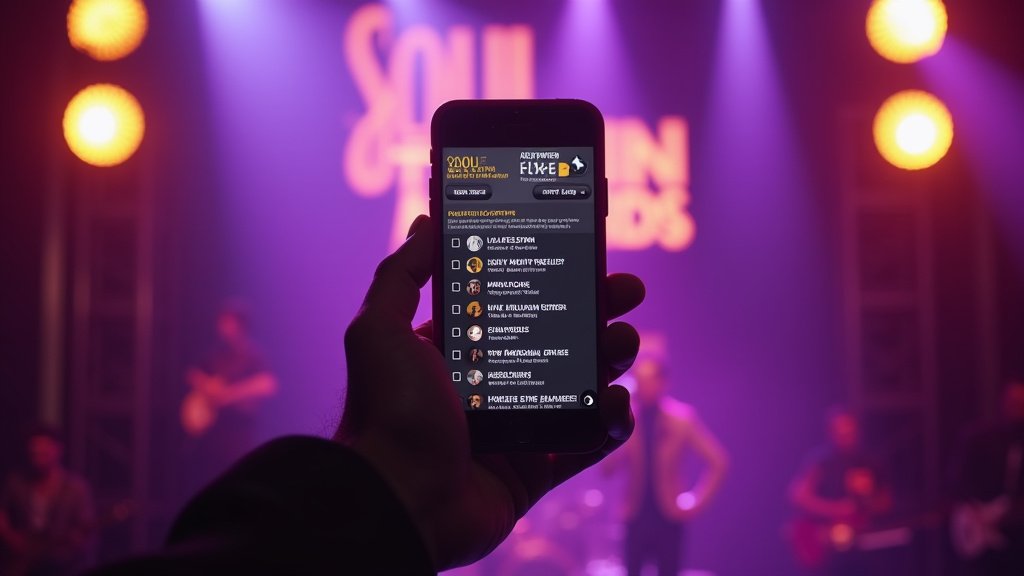
For decades, the Soul Train Awards served as a cultural barometer for African American music and entertainment, largely driven by a combination of legacy committees and industry insiders. However, the decision to introduce fan-driven categories signals an evolution toward a more interactive, streaming-era media landscape. By opening up the ‘R&B/Soul Song of the Year’ and ‘Spotify’s RNB X International Artist’ to public vote, BET is not merely handing over the keys—they are integrating their legacy brand with the real-time consumption habits of modern audiences. This pivot is a strategic acknowledgment that in the digital age, a song’s cultural footprint is measured as much by fan passion and streaming numbers as it is by critical acclaim. This transition addresses the growing disconnect between traditional academy-style voting and the populist nature of contemporary music consumption. By leveraging this engagement, BET aims to boost viewer retention for the November 27 telecast, knowing that fans are significantly more likely to tune in when they have actively participated in the outcome.
Deconstructing the ‘R&B/Soul Song of the Year’ Criteria
This new category is poised to become the most contested segment of the evening. Unlike past categories that favored artistic nuance or traditional production standards, ‘R&B/Soul Song of the Year’ is designed to capture the zeitgeist. It asks the audience to define what truly defines the sound of the year. This requires fans to look beyond Billboard charts and consider cultural impact, lyrical resonance, and the ‘replayability’ factor. For artists, winning this award provides a unique validation: it signifies that the track has not just reached ears, but has embedded itself into the daily lives of the listeners. The nomination list reflects a blend of R&B titans and breakout stars, ensuring that the competition remains fierce throughout the voting period ending October 16.
Spotify’s RNB X International Artist: A Global Stage
Perhaps the most significant addition is the ‘Spotify’s RNB X International Artist’ category. This reflects the globalized nature of modern R&B, which is no longer confined to North American borders. By partnering with Spotify, BET is tapping into the streaming platform’s massive data reserves to identify artists who are pushing the boundaries of soul and R&B on a global scale. This category highlights the cross-pollination of genres and the fusion of regional sounds with classic R&B foundations. It is a nod to the fact that today’s R&B is a global conversation. For fans, this category serves as a discovery mechanism, exposing them to international talent that may have previously flown under the radar of traditional award bodies, further cementing the Soul Train Awards’ relevance on the world stage.
Strategic Implications: The Streaming Economy Meets Legacy Media
The integration of Spotify into the Soul Train Awards ecosystem is not just a branding exercise; it is a profound shift in data-driven entertainment. Award shows traditionally struggled to remain relevant to younger demographics who prioritize streaming playlists over appointment television. By creating a category specifically tied to the Spotify brand—a platform where younger demographics live and breathe music—BET is bridging the gap between legacy TV and digital streaming. This creates a feedback loop: fans vote on the platform where they listen, which encourages more streaming activity, which in turn influences the cultural conversation leading up to the awards. This is a masterclass in modern digital marketing, ensuring that the Soul Train brand remains not just a nostalgic touchstone, but a living, breathing participant in the current music economy.
What Happens Next? The Road to November 27
With the October 16 deadline looming, the intensity of artist-led ‘Get Out the Vote’ campaigns is expected to skyrocket. We are entering a phase where social media virality will likely dictate the winners. Expect to see artists utilizing TikTok, Instagram, and their own Spotify profiles to rally their fanbases. This puts a new premium on fan loyalty—it is no longer enough to have a great song; an artist must have a dedicated, digital-savvy community willing to put in the time to vote. As we approach the November 27 broadcast, the conversation will shift from ‘Who deserves to win?’ to ‘Who has the most engaged fanbase?’ This changing dynamic is likely to permanently alter the architecture of future award seasons, making the 2026 Soul Train Awards a case study for future ceremonies looking to capture and hold the attention of a fragmented, digital-first audience.