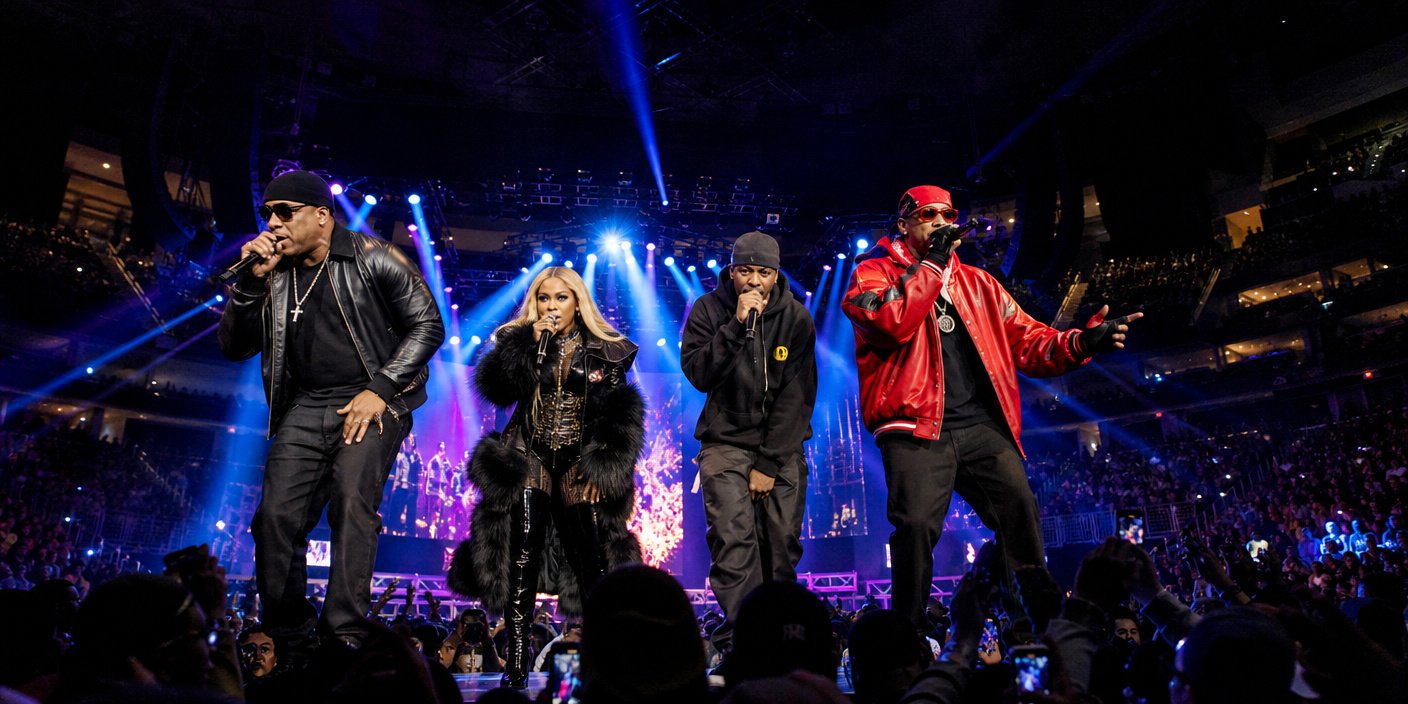

August 21st, 2026, has emerged as a pivotal date in the Americana and country music calendar, characterized by a sudden, massive concentration of high-quality independent album drops. While release schedules are often dictated by major label cycles and promotional windows, the events surrounding this specific Friday suggest a calculated, grassroots movement within the roots music community. Among the most anticipated records hitting the digital and physical markets on this date are new projects from acclaimed songwriters Kimmi Bitter and Tony Hannah, artists who have spent the last eighteen months building significant momentum within their respective sub-genres.
Key Highlights
- The Roots Music Surge: August 21st, 2026, serves as a focal point for the independent roots and country sector, featuring coordinated release strategies from established critical darlings.
- Spotlight on Kimmi Bitter: The songwriter’s latest record is positioned to leverage her growing presence in the retro-country circuit, aiming for playlist dominance on major streaming platforms.
- Tony Hannah’s Sophomore Expansion: Following critical acclaim for his debut, Hannah’s release on this date marks a shift toward a more expansive, collaborative production style.
- Independent Label Strategy: The concentration of releases on this specific Friday highlights how independent artists are banding together to share promotional resources and capture specific algorithmic attention from DSPs (Digital Service Providers).
The Anatomy of the August 21st Release Wave
The music industry has long observed the ‘Global Release Day’ standard—usually occurring on a Friday—to maximize streaming data and sales charts. However, the density of quality output on August 21st, 2026, indicates a sophisticated tactical approach by independent artists and their management teams. When artists like Kimmi Bitter and Tony Hannah choose to release on the same day, they are not necessarily competing for the same singular audience; rather, they are attempting to signal-boost the genre as a whole, making ‘Roots and Country’ a trending narrative for music curators and critics alike.
The Rise of Kimmi Bitter and the Retro-Country Shift
Kimmi Bitter has been a formidable force in bridging the gap between vintage country aesthetics and modern pop sensibility. Her inclusion in the August 21st slate is not accidental. Analysis of her recent touring metrics and social media engagement shows a clear trajectory toward this release date. Industry insiders note that for artists of Bitter’s caliber, the key to success in 2026 is avoiding the ‘mid-week lull’ by aligning with broader industry momentum. By dropping on August 21st, she positions herself for inclusion in major ‘New Music Friday’ editorial playlists, which remain the single most effective tool for organic discovery in the streaming era.
Tony Hannah: Evolving the Roots Sound
Equally significant is the release from Tony Hannah. Having established himself as a master of intimate, narrative-driven songwriting, Hannah’s 2026 project suggests a pivot toward a more produced, studio-centric sound. This transition is essential for independent artists who need to maintain relevance while competing with the high-fidelity production values coming out of Nashville’s major-label machine. Hannah’s strategy for August 21st involves a multi-channel rollout, combining limited-edition vinyl pre-orders with an exclusive live-streamed performance, a tactic designed to convert casual listeners into dedicated superfans.
Secondary Angles: The Mechanics of Modern Success
To understand why August 21st has become such a landmark date, one must look beyond the music itself and into the logistics of the modern music economy.
1. The Vinyl Production Bottleneck: Historically, independent artists struggled with the long lead times of vinyl manufacturing. The August 21st releases represent a milestone in supply chain management, where artists have successfully negotiated manufacturing windows nearly a year in advance to ensure that physical copies coincide with digital launch dates, a critical factor in chart performance.
2. Algorithmic Symbiosis: In 2026, streaming algorithms favor genre-specific ‘clusters.’ When multiple artists within the same scene (Roots/Americana) release on the same day, they effectively ‘train’ the algorithm to associate that day and that specific sound profile, increasing the likelihood that listeners who engage with Kimmi Bitter will also be served Tony Hannah’s tracks, creating a mutually beneficial promotional ecosystem.
3. The Decline of the ‘Solo Spotlight’: For decades, artists were advised to avoid releasing on days with major pop star drops. However, the data for August 21st suggests a reversal: independent artists are finding that by clustering together, they can create enough noise to force their way into the peripheral vision of mainstream music journalism, effectively crowdsourcing their own media cycle.
FAQ: People Also Ask
Q: Why do most albums release on Fridays in 2026?
A: Since 2015, the music industry adopted the ‘Global Release Day’ standard, moving away from Tuesday releases. This ensures maximum synchronization of sales and streaming data across international territories, allowing artists to capitalize on weekend listening habits.
Q: How does the August 21st, 2026, date impact the charts?
A: By concentrating high-quality roots and country releases on a single day, artists like Kimmi Bitter and Tony Hannah maximize their potential to appear on genre-specific Billboard and streaming charts, which aggregate data based on weekly cycles ending on Thursday nights.
Q: Are there risks to releasing on the same day as other artists in the same genre?
A: While there is potential for competition, the modern streaming landscape rewards ‘genre dominance.’ When several related artists release simultaneously, it creates a ‘scene’ moment that music bloggers, radio DJs, and playlist editors are more likely to cover than if the releases were spread out and isolated.