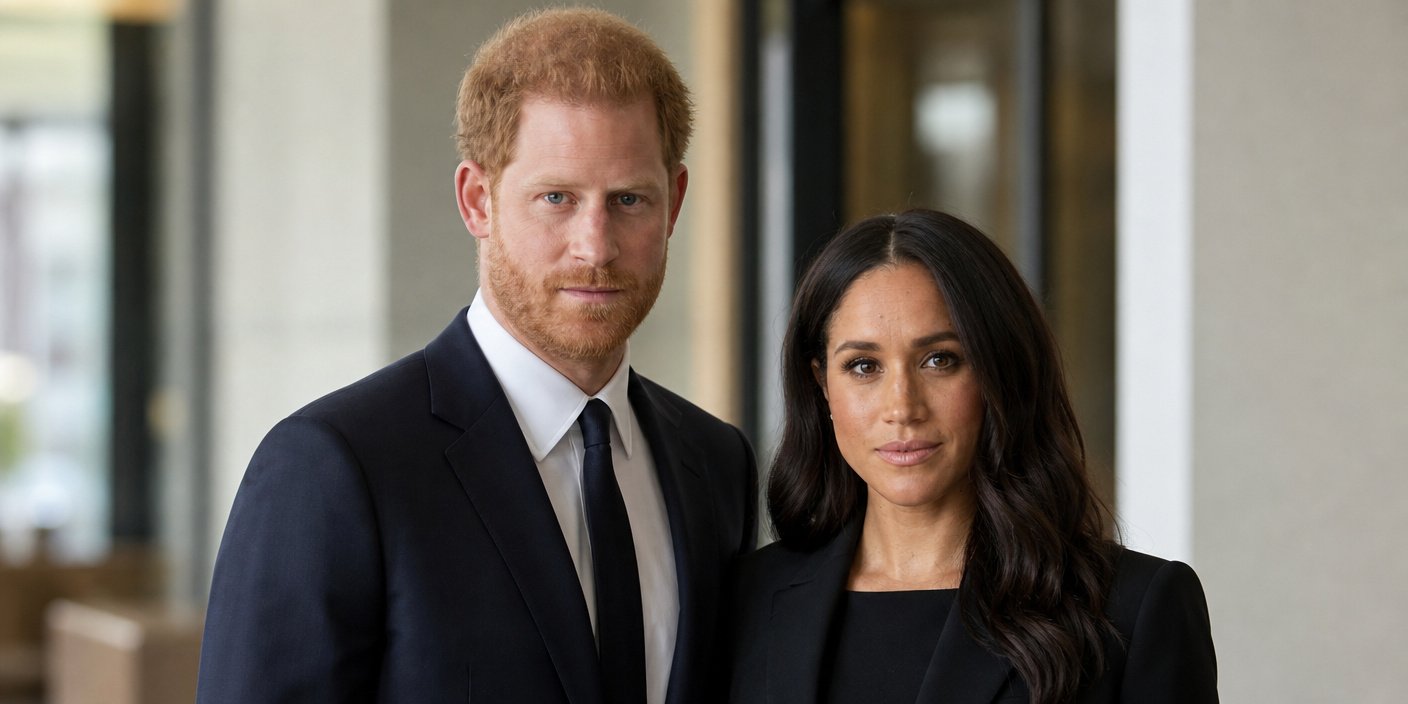
Prince Harry and Meghan Markle’s reported contemplations regarding a future return to the United Kingdom have ignited a firestorm of speculation, creating a recurring narrative that dominates both domestic and international headlines. As the Duke and Duchess of Sussex navigate their post-royal lives, the discussion surrounding their potential re-engagement with British soil has moved beyond mere tabloid gossip, evolving into a complex intersection of security litigation, charitable obligations, and the evolving dynamics of the House of Windsor. This resurgence of interest arrives at a pivotal moment, with the Royal Family addressing health challenges and the Invictus Games Foundation looking toward future international host sites.
Key Highlights
- Security Litigation: The primary friction point remains Prince Harry’s ongoing legal battle with the Home Office regarding his security detail provided by RAVEC (Royal and VIP Executive Committee) when visiting the U.K.
- Invictus Games Catalyst: The successful bid for Birmingham to potentially host the 2027 Invictus Games has been cited by analysts as a logistical necessity for the couple’s return, necessitating a professional presence on the ground.
- Institutional Strain: Public and press reaction remains polarized, reflecting the broader debate over the couple’s role as non-working royals who retain their titles while pursuing independent ventures.
- Family Health Context: The current health landscape involving King Charles III and Catherine, Princess of Wales, has added a layer of sensitivity to any reported travel plans, fueling conjecture about potential reconciliation efforts.
The Strategic Intersection of Security and Soft Power
The RAVEC Legal Impasse
At the core of the friction surrounding a potential return is the unresolved legal dispute between Prince Harry and the British Home Office. The Prince has challenged the decision of the Royal and VIP Executive Committee (RAVEC) to strip him of his automatic right to police protection while in the United Kingdom. This is not merely a logistical dispute; it is a fundamental challenge to the British state’s approach to royal security. Legal experts have noted that until this matter is definitively resolved, the Duke’s ability to move freely and safely within the U.K. remains a significant hurdle. The High Court proceedings have provided a rare glimpse into the mechanics of state-funded protection, highlighting a disconnect between the Duke’s perception of risk and the government’s current threat assessment protocols. This standoff effectively acts as a ceiling on the frequency of his visits, creating a standoff that keeps the ‘return’ narrative in a perpetual loop of ‘will they or won’t they.’
The Invictus Games and Global Outreach
While security debates act as a friction point, the Invictus Games provide a clear, mission-driven mandate for the couple to return to British soil. The Foundation’s selection of Birmingham for the 2027 games—pending finalization—would theoretically require the presence of the Duke, who founded the movement in 2014. From a professional standpoint, the Games serve as the most credible bridge back to the U.K. It allows the couple to engage in high-level charitable work that remains popular with the British public, independent of the internal palace machinations. Analysts observe that framing their return through the lens of veterans’ affairs offers a ‘neutral ground’ that avoids the charged atmosphere of Royal Family holidays or milestone events. It positions the return as a duty-bound visit rather than a social one, which serves to lower the temperature of the discourse.
Public Perception and the ‘Part-Time’ Royal Debate
Perhaps the most volatile element of this narrative is public sentiment. The U.K. media landscape remains fractured regarding the Sussexes. On one side, there is a vocal contingent that critiques the couple for their departures and perceived public criticisms of the institution. On the other, there is a substantial demographic that supports their autonomy. The potential return of Harry and Meghan forces the British public to grapple with the reality of a ‘part-time’ royal existence—a concept that the late Queen Elizabeth II famously navigated with caution. The debate is no longer just about the couple themselves; it is about the future architecture of the Monarchy in a modern, globalized world. If the couple were to establish a recurring, low-profile presence in the U.K., it would fundamentally redefine the boundary between private celebrity and public duty, a change the institution is seemingly hesitant to formalize.
Secondary Angle: The Economic Impact
The economic implications of their visits are frequently overlooked. High-profile appearances by the Duke and Duchess generate significant media engagement and tourism interest. While the Royal Family generally maintains a distance from celebrity-style economic metrics, the Sussexes operate within a hybrid model where visibility equals impact. A return to the U.K. for a major event like the Invictus Games could provide a measurable boost to local host economies, specifically in the Midlands, potentially offsetting the costs of heightened security measures.
Secondary Angle: Diplomatic Soft Power
There is also the diplomatic angle to consider. The Duke of Sussex remains a highly recognizable British figure on the global stage. His presence at a U.K.-based international event offers a unique form of soft power. Observers have noted that while the rift with the Palace remains, the utility of the Sussexes as brand ambassadors for British-led charitable initiatives remains high. A return could act as a ‘reset’ for their public branding, moving the narrative away from family grievances and toward a more constructive, internationally-focused agenda.
Secondary Angle: The Succession of Narratives
Finally, we must consider the ‘Spare’ fatigue. Following the release of Prince Harry’s memoir and the subsequent media blitz, there is a sense of exhaustion in the public discourse. Any future return to the U.K. will be scrutinized for its ‘newsworthiness.’ The narrative arc has transitioned from ‘revelation’ to ‘reconciliation.’ If the couple returns, the media will inevitably shift from asking ‘Why are they back?’ to ‘How does the family react?’ This shift in focus is critical; it forces the Royal Family to proactively manage the optics of their interactions rather than reacting to external disclosures. It is a transition from reactive crisis management to proactive narrative control, which represents the next phase of the Sussex-Windsor relationship.
FAQ: People Also Ask
1. Are Prince Harry and Meghan Markle currently planning a permanent move back to the U.K.?
There is no factual evidence to support a permanent return. Current reporting suggests that any future travel is expected to be short-term, centered around charitable events or legal obligations, rather than a restoration of their previous working royal status.
2. What is the current status of Prince Harry’s security in the U.K.?
Prince Harry is engaged in an ongoing legal challenge against the Home Office regarding the decision to remove his automatic right to police protection. This legal dispute remains the primary complicating factor in his ability to conduct routine, non-official visits to the U.K.
3. How has the Royal Family responded to these return rumors?
Buckingham Palace generally does not comment on the private travel plans of the Duke and Duchess of Sussex. Official communication regarding the Royal Family remains focused on the King’s public duties and the health of the Princess of Wales, maintaining a distinct separation from the Sussexes’ independent news cycle.