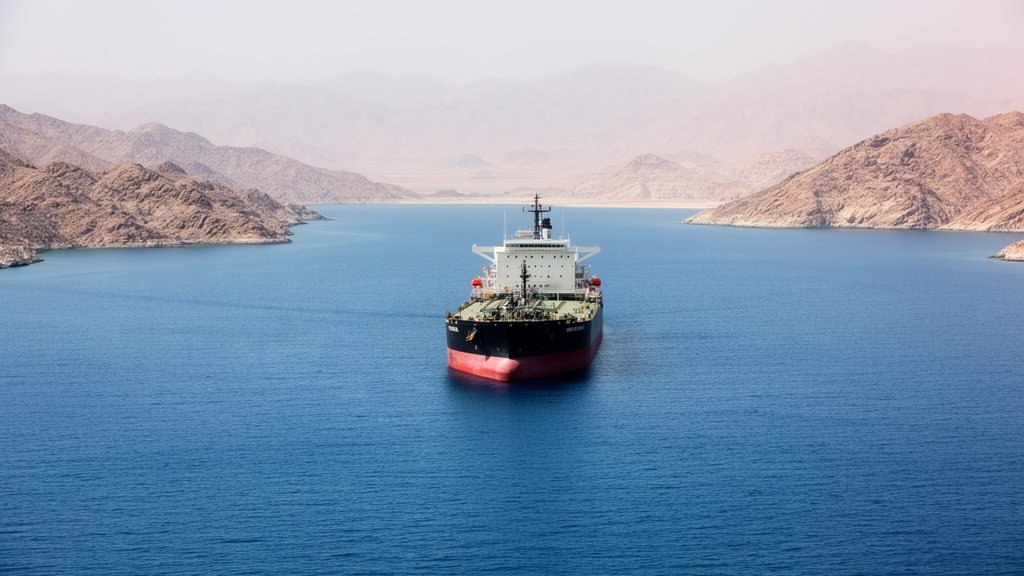
The volatility in the Middle East has reached a critical inflection point, marked by a dual surge in maritime insecurity and kinetic military operations. In the latest development, a vessel owned by Abu Dhabi’s ADNOC (Abu Dhabi National Oil Company) was targeted in the Strait of Hormuz, representing the third maritime incident in this vital waterway within a single week. Simultaneously, reports from the Levant confirm that an Israeli strike in Lebanon has resulted in 9 fatalities, compounding the sense of a region spiraling into deeper instability. These concurrent events underscore the fragility of both global energy supply chains and the delicate security equilibrium in the Eastern Mediterranean.
Key Highlights
- Maritime Chokepoint Crisis: An ADNOC-owned vessel sustained an attack in the Strait of Hormuz, the third such incident within the last seven days, raising immediate concerns over international shipping lanes.
- Lebanon Casualties: An Israeli military strike in Lebanon resulted in 9 confirmed fatalities, marking a significant escalation in ongoing border and regional hostilities.
- Energy Security Alert: With the Strait of Hormuz accounting for a significant percentage of global oil transit, the frequency of these attacks places immense pressure on insurance premiums and regional shipping logistics.
- Escalation Path: The proximity of these incidents—both in time and intensity—suggests a weakening of containment strategies across multiple theaters of conflict.
Convergence of Conflict: Maritime Threats and Regional Violence
The dual nature of these attacks—one targeting the economic arteries of the global energy market and the other resulting in human loss in the Levant—presents a complex puzzle for international observers and geopolitical analysts. The ADNOC vessel incident in the Strait of Hormuz is not merely an isolated case of maritime sabotage; it is the third, distinct incident reported within the last week. This statistical clustering suggests a deliberate pattern of disruption, targeting the strategic interests of the Gulf Cooperation Council (GCC) member states and testing the efficacy of existing regional security architectures.
The Anatomy of the Hormuz Maritime Incident
The Strait of Hormuz is widely considered the world’s most important oil chokepoint, with approximately 21 million barrels of oil moving through it daily. When a vessel owned by a major state-backed entity like ADNOC is targeted, the implications ripple outward from the immediate theater of operations to the global commodities markets. Unlike previous years, where tensions in the Strait were often characterized by posturing or temporary seizures, the current frequency—three incidents in seven days—indicates an operational shift. Shipping companies, insurers, and naval task forces are now forced to recalibrate their risk assessments in real-time. The primary concern is not just the immediate damage to the vessel, but the potential for a ‘chilling effect’ that could lead to rerouting, delays, and a spike in shipping insurance premiums, which are already showing signs of significant volatility.
Escalation in the Levant: The Lebanon Strike
While the maritime incident focuses on energy security, the strike in Lebanon brings the kinetic conflict back to the forefront of human and political tragedy. With 9 fatalities confirmed, the impact of this single event is profound. The strikes reflect an ongoing, broader conflict that has consistently struggled to remain contained within established boundaries. The tactical nature of these strikes—often utilizing precision munitions—suggests that military actors are increasingly willing to engage in high-risk operations despite the potential for diplomatic fallout. The death toll, while specific in this instance, serves as a grim metric for the intensity of the conflict. Analysts are now closely monitoring whether this strike will trigger a cycle of retaliatory actions that could broaden the scope of hostilities, further straining regional diplomatic ties.
Analyzing the Strategic Shift: Is Conflict Widening?
What makes these events particularly dangerous is their concurrency. Regional powers are often capable of managing a singular crisis—either an maritime issue or a border dispute. However, managing two simultaneous, high-intensity crises requires immense diplomatic and military bandwidth. The strategic shift here is the erosion of ‘deniability’ and the normalization of risk. If attacks on commercial vessels become a recurring backdrop to military operations in Lebanon, the region risks entering a state of ‘permanent escalation.’ This environment favors non-state actors or proxy forces who benefit from the fog of war, while state entities face increased pressure to demonstrate deterrence. For the global community, the takeaway is clear: the current de-escalation frameworks are under unprecedented strain, and the margin for diplomatic error has effectively vanished.
FAQ: People Also Ask
Q: Why is the Strait of Hormuz considered so critical to global markets?
A: The Strait of Hormuz is the world’s most vital oil chokepoint. A significant portion of the world’s daily oil consumption transits through this narrow passage. Any disruption here threatens global energy supplies, drives up prices, and destabilizes maritime trade routes.
Q: What is the significance of an ADNOC-owned vessel being targeted?
A: ADNOC is the state-owned oil company of Abu Dhabi. Targeting its assets is not merely an attack on a company; it is viewed as a strike against the UAE’s economic interests, potentially provoking a stronger geopolitical response than an attack on a neutral commercial vessel.
Q: What does the ‘third incident in a week’ suggest about maritime security?
A: It suggests a breakdown in deterrence. A single incident can be an accident or a targeted act of sabotage. Three incidents in one week indicate a coordinated campaign or a significant intelligence and security failure in the region, signaling that transit is no longer routine or safe.
Q: Could the strike in Lebanon lead to a full-scale regional conflict?
A: While analysts are cautious about using the term ‘full-scale,’ the frequency and lethality of recent strikes increase the probability of miscalculation. When multiple theaters of conflict are active simultaneously, the threshold for a wider, uncontained escalation is lowered significantly.