
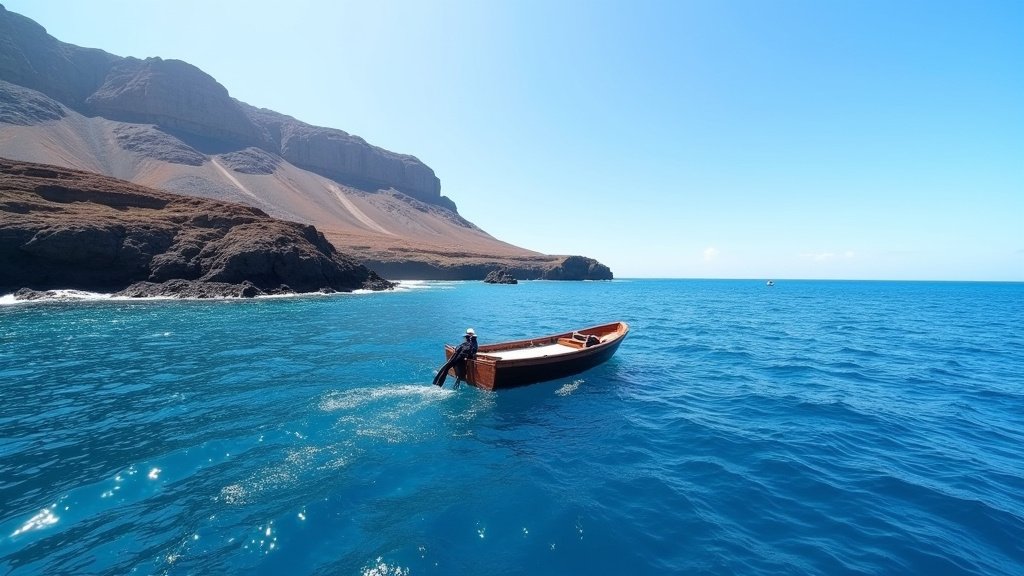
In a watershed moment for environmental governance and indigenous rights, the Rapa Nui people have successfully solidified their authority over the vast Rapa Nui Marine Protected Area. By securing a voting majority on the newly established ‘Sea Council’ (Comité de Manejo), the indigenous community of Easter Island—locally known as Rapa Nui—has effectively transitioned the 270,000-square-mile ocean reserve from centralized, government-led oversight to indigenous-managed conservation. This landmark arrangement addresses long-standing tensions regarding the sovereignty of the island’s surrounding waters, ensuring that traditional ecological knowledge is prioritized alongside modern maritime enforcement to protect one of the most biodiverse regions in the Pacific Ocean.
Key Highlights
- Indigenous Majority: The Rapa Nui community now holds 6 out of 11 seats on the newly formed Sea Council, providing them with decisive voting power over the management of the marine area.
- Vast Jurisdiction: The agreement governs the Rapa Nui Marine Protected Area, which spans 270,000 square miles (approximately 720,000 square kilometers), one of the largest such zones in the world.
- Enforcement Shift: The new management structure is specifically designed to combat Illegal, Unreported, and Unregulated (IUU) fishing, a persistent threat to the region’s marine ecosystems.
- Cultural Sovereignty: This transition marks a departure from top-down government administration, affirming the Rapa Nui people’s role as the rightful stewards of their ancestral territorial waters.
Restoring Ancestral Stewardship: The Shift to Indigenous Management
The establishment of the Sea Council represents the culmination of years of advocacy by the Rapa Nui people. For decades, the relationship between the Chilean government in Santiago and the inhabitants of Easter Island has been characterized by debates over autonomy, land rights, and the management of natural resources. The formal designation of the Rapa Nui Marine Protected Area in 2018 was a major step, but for many islanders, the initial management structure did not provide sufficient agency to the local population. By shifting the power dynamics to a council where indigenous voices hold the majority, the community has effectively claimed a seat at the table to dictate how their ancestral waters are utilized and protected.
The Mechanics of the Sea Council
The newly formed body consists of 11 voting members. By securing 6 of these 11 seats, the Rapa Nui representatives can effectively veto or approve policies, resource allocation, and enforcement strategies. The remaining seats are held by Chilean government officials and representatives from relevant scientific and maritime agencies. This composition is intended to facilitate a collaborative approach; however, the shift places the ultimate decision-making power in the hands of the islanders. This is a critical development because the Rapa Nui view the ocean not just as a resource to be protected, but as an extension of their cultural identity and historical legacy. The management plan will now integrate ‘Rapa Nui knowledge’—traditional fishing techniques and ecological wisdom—with modern maritime patrolling technology.
Combating the Threat of Illegal Fishing
One of the primary drivers behind this movement is the urgent need to address IUU fishing. The 270,000-square-mile area is vast and difficult to monitor, making it a target for industrial fleets that operate outside the bounds of international law. Prior to this council, surveillance and enforcement efforts were often hindered by communication gaps between the mainland and the remote island. With local leadership now in the driver’s seat, the enforcement strategy is expected to become more dynamic. The council plans to utilize satellite monitoring and local artisanal fishers as ‘eyes on the water’ to report unauthorized vessels. This local vigilance is a force multiplier, creating a more responsive security infrastructure that the Chilean Navy can support.
The Evolution of the Marine Protected Area
The 2018 creation of the Rapa Nui Marine Protected Area was met with mixed reactions. While conservationists celebrated the protection of shark populations, tuna, and other critical species, some locals felt the restrictions were imposed without adequate consultation, potentially hindering traditional fishing practices. This new Sea Council rectifies that by institutionalizing the role of the community. It is a transition from a ‘protection-only’ model to a ‘managed-use’ model. The goal is to allow local artisanal fishers to continue their traditional practices, which are generally sustainable, while strictly excluding industrial-scale operations that strip the ocean of life. This creates a sustainable economic model where the health of the ecosystem directly correlates to the prosperity of the community, rather than being at odds with it.
Global Implications for Indigenous Sovereignty
This development is being watched closely by other island nations and indigenous groups worldwide. The model of ‘co-management’ is gaining traction in international conservation circles, but the Rapa Nui success is notable for the sheer size of the jurisdiction and the decisive nature of the voting bloc. It serves as a blueprint for how indigenous groups can leverage legal frameworks to reclaim control over their territorial waters. If successful, this could spark a trend of ‘decolonizing conservation,’ where the protection of nature is led by those with the deepest, multi-generational connection to the land and sea. The international scientific community is now looking at how to best support this initiative, providing technical assistance and data, while respecting the autonomy of the new Sea Council. The success of this endeavor will depend on the council’s ability to navigate the complexities of international maritime law while maintaining unity within the Rapa Nui community.
FAQ: People Also Ask
1. What is the Rapa Nui Marine Protected Area?
It is a massive conservation zone established in 2018 that covers roughly 270,000 square miles of the Pacific Ocean surrounding Easter Island, designed to preserve biodiversity and stop industrial fishing.
2. Why is the new Sea Council significant?
It grants the Rapa Nui people 6 out of 11 voting seats, giving them a majority to make decisions regarding the management, protection, and usage of their territorial waters, rather than relying solely on the Chilean government.
3. How does this affect traditional fishing?
The management plan aims to protect local artisanal fishing practices, which the Rapa Nui argue are sustainable, while completely prohibiting industrial, large-scale fishing vessels from operating in the protected zone.
4. Who else is represented on the Sea Council?
Alongside the 6 Rapa Nui representatives, the council includes members from the Chilean government, scientific institutions, and agencies responsible for maritime oversight, ensuring a collaborative, if indigenous-led, management approach.