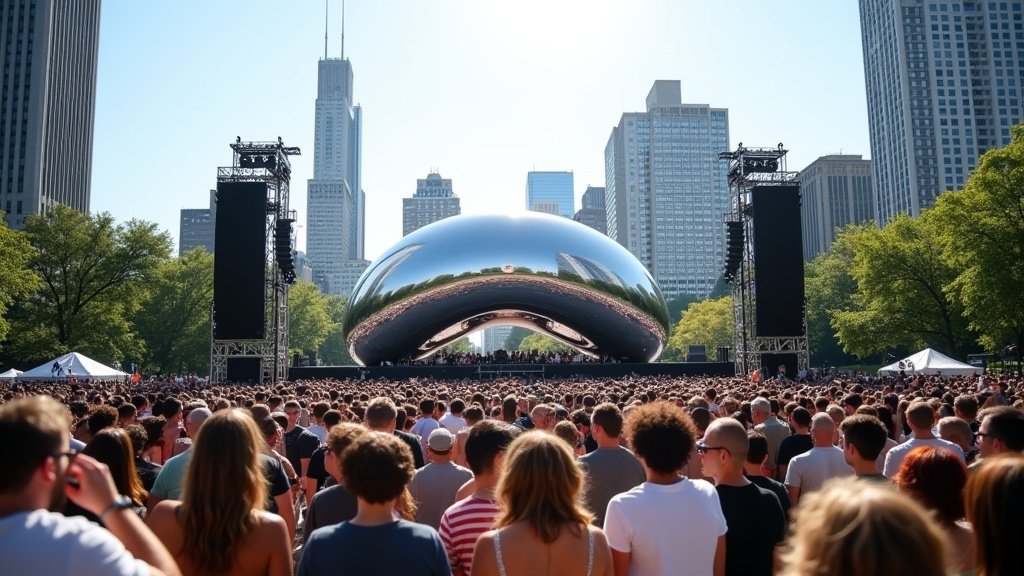
Chicago transforms into a global dance mecca this August 27-28, 2026, as the Chicago House Music Festival and Conference takes over the city. Marking a citywide celebration of the birthplace of house music, the event unites veterans of the scene and the next generation of producers across two days of high-energy performances and educational summits. From the iconic stages of Millennium Park to the intellectual halls of the Chicago Cultural Center, the city is honoring the sonic revolution that started in the early 1980s.
Key Highlights
- Event Dates: The festival and conference run from August 27 to August 28, 2026.
- Primary Locations: Activations and programming are spread across Millennium Park and the Chicago Cultural Center.
- Core Programming: The schedule includes dance summits, educational panels, and curated live DJ sets.
- Mission: The event serves as a dedicated platform for preserving the origins of house music while fostering its future development.
Honoring the Architects: The Legacy of a Global Sound
To understand the magnitude of the 2026 Chicago House Music Festival and Conference, one must first recognize the historical weight of the ground on which it stands. House music was not merely a musical trend; it was a cultural explosion that originated in the underground club scene of the early 1980s, specifically within the walls of The Warehouse. Under the guidance of pioneers like the late, legendary Frankie Knuckles—often cited as the ‘Godfather of House’—and innovators like Jesse Saunders and Marshall Jefferson, a new tempo was born. This year’s conference is dedicated to chronicling this history, ensuring that the legacy of these architects remains a cornerstone of Chicago’s identity.
The Intersection of Education and Nightlife
Unlike traditional music festivals that focus purely on performance, the conference component of this year’s event represents a critical shift toward industry education. By utilizing the Chicago Cultural Center, organizers have created a space for dialogue that extends beyond the beat. Industry experts, archival historians, and veteran DJs are participating in panels that explore the technical evolution of the genre—from early analog drum machines and reel-to-reel tapes to the digital production suites that dominate today. These panels are designed to empower aspiring producers, providing them with the tools and knowledge necessary to navigate the modern music industry while respecting the roots that made the sound possible.
Economic Impact: The Tourism of Rhythm
Beyond the cultural significance, the Chicago House Music Festival acts as a vital economic engine for the city. Music tourism has become a substantial pillar of Chicago’s summer economy, drawing thousands of international and domestic visitors who flock to the city specifically to witness the home of house music firsthand. Local hospitality businesses, from boutique hotels to downtown restaurants, report significant surges in activity during the final weekend of August. By concentrating the festival in high-visibility areas like Millennium Park, the city effectively converts its cultural capital into tangible revenue, proving that music is not just art—it is industry.
Preservation in the Digital Age
One of the most compelling secondary angles explored during the 2026 conference is the challenge of preservation. In an era where digital content is ephemeral, the festival highlights the importance of archiving house music’s history. Conversations in the conference halls have turned toward the digitization of rare vinyl, the preservation of club flyers from the 80s, and the oral history of those who were present at the inception of the movement. This focus ensures that the festival is not just a party, but a museum of modern sound, dedicated to maintaining the authenticity of the genre against the pressures of homogenization.
The Future of the Movement
As the festival concludes on the evening of August 28, the focus shifts from the past to the future. With the inclusion of dance summits and interactive workshops, the 2026 edition emphasizes that house music in Chicago is not a static artifact. It is a living, breathing entity that continues to influence global pop music. The organizers’ commitment to showcasing young, local talent alongside historical legends signals that while the city honors its past, it is firmly invested in the evolution of its primary cultural export. As we look ahead, the collaboration between the City of Chicago and the house music community remains a template for how major metropolitan areas can successfully leverage their unique cultural heritage to drive forward-thinking artistic development.
FAQ: People Also Ask
Q: Where is the Chicago House Music Festival held?
A: The festival spans multiple iconic locations throughout the city, with major programming concentrated at Millennium Park and the Chicago Cultural Center.
Q: What is the primary purpose of the conference portion of the event?
A: The conference is designed to provide educational panels, dance summits, and technical workshops that preserve the history of house music while teaching future generations about production and industry trends.
Q: Is this event only about live music?
A: No. While there are numerous live DJ sets, the event specifically balances performance with deep-dive educational sessions, archival discussions, and networking opportunities for those interested in the music industry.
Q: Why is Chicago significant to house music?
A: Chicago is widely recognized as the birthplace of house music. The genre emerged here in the early 1980s, influenced by disco, soul, and early electronic music, primarily through the influence of legendary clubs and DJs like those at The Warehouse.