The Catalyst for Conflict
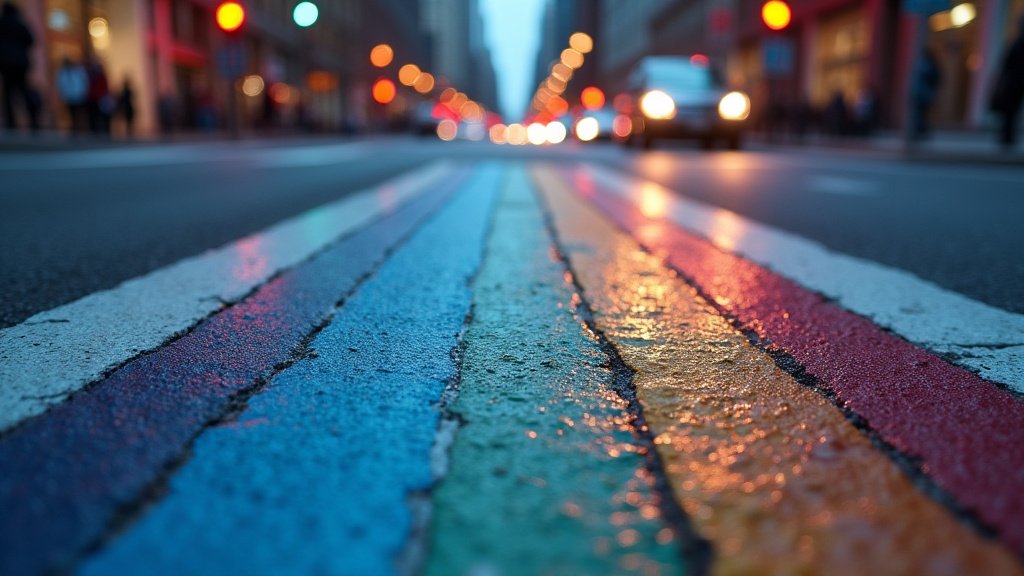
The tension surrounding public infrastructure and political expression reached a boiling point in Dallas this week. Following a state directive that mandated Texas cities remove “political ideologies” from public roadways, municipal workers began the systematic erasure of rainbow-painted crosswalks—symbols widely recognized as emblems of LGBTQ+ pride and inclusion. For Mason Whiteside, a resident who moved to Dallas specifically for its reputation as a welcoming, progressive metropolitan hub, the sight of the faded colors marked a disturbing shift in the city’s identity.
An Act of Creative Resistance
In a spontaneous act of defiance that took place over the course of just a few hours, Whiteside utilized chalk and spray paint to restore more than a dozen rainbow crosswalks across the city. The action was not merely an aesthetic restoration; it served as a pointed critique of the state’s stance on what constitutes “political” content in public spaces. By reintroducing the vibrant spectrum to the asphalt, Whiteside sought to reclaim the urban environment as a space for all citizens, specifically those who feel their visibility is being actively suppressed by new legislative measures.
Legal Repercussions and Community Sentiment
While Whiteside’s efforts were celebrated by many in the local community as a brave stand for inclusivity, the act resulted in swift legal consequences. Whiteside was arrested by local authorities, though police officials noted the arrest was based on outstanding warrants unrelated to the vandalism itself. Despite the legal fallout, the event has reignited a fierce debate across Texas regarding the intersection of government authority and the right to public expression. For advocates of LGBTQ+ rights, the crosswalks are far more than paint; they are essential visual signals that dictate the social climate of the city. As municipal leaders navigate the state directive, the incident highlights a growing rift between local desire for diverse, inclusive public art and state-mandated restrictions on expression in the public square. Whiteside remains adamant that the erasure of these symbols is a “slippery slope” that threatens the very fabric of the welcoming city he chose to call home, underscoring a wider national conversation about where political boundaries should be drawn in our streets.