In a display of political theatre that has dominated social media discourse, Democratic Alliance (DA) mayoral candidate Helen Zille has gone viral after filming herself ‘snorkelling’ in a substantial, water-filled pothole in the Johannesburg suburb of Douglasdale. The video, which surfaced on March 30, 2026, features the 75-year-old former Western Cape Premier wearing a wetsuit and a snorkel mask, wading into the murky, stagnant water to make a searing, satirical point about the state of municipal service delivery in South Africa’s largest city. By turning a source of daily civic frustration into an absurd, headline-grabbing spectacle, Zille has successfully forced the issue of infrastructure decay back to the center of the pre-election conversation.
The Anatomy of the Pothole Protest
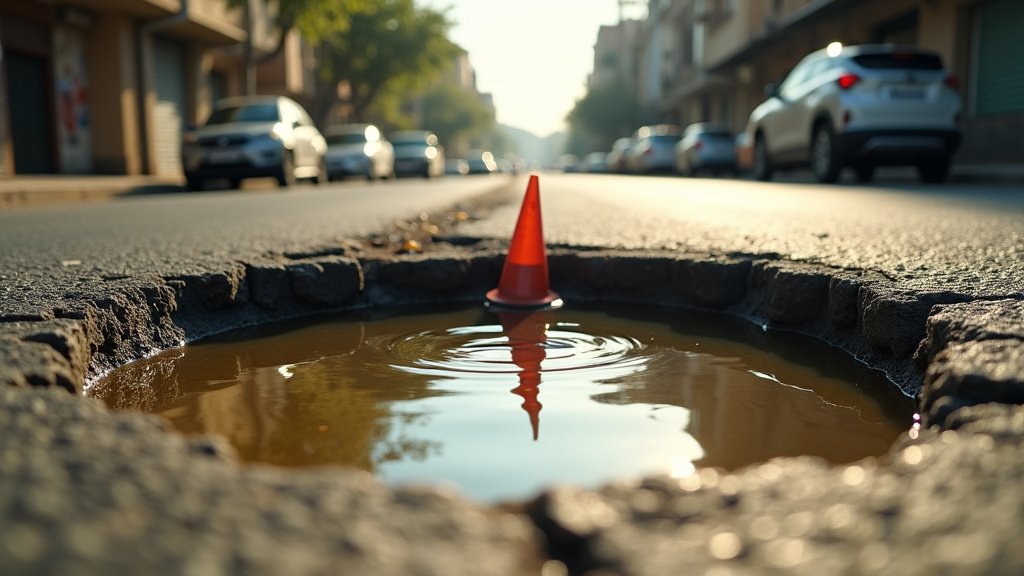
The pothole in question, located on Balder Road, has become a symbol of the broader administrative challenges facing Johannesburg. According to local residents, the crater has been a fixture for over three years, allegedly caused by a persistent water leak that the city has failed to permanently rectify. Zille’s video—which reached over half a million views within hours—saw her perform a mock snorkel, even joking about checking for fish in the ‘impromptu pool.’ While the tone of the video was performative and intentionally humorous, the underlying message was a direct attack on the municipal government’s inability to maintain basic public infrastructure. Zille argued that the site reflects a systemic failure where infrastructure is left to rot, creating safety hazards and daily inconveniences for residents who struggle to navigate their own neighborhoods.
Municipal Response and Public Backlash
The viral nature of the stunt appears to have achieved a tangible, albeit controversial, result. Reports confirmed that shortly after the video began circulating, crews from Joburg Water and the Johannesburg Road Agency were dispatched to the site to begin repairs, including flushing the water, fixing the leak, and installing new pipes. For some, this was a clear demonstration of the effectiveness of high-profile political advocacy. Others, however, viewed the stunt with skepticism, characterizing it as a ‘PR stunt’ that prioritizes performative social media content over substantive policy engagement. Commenters on social media platforms have been deeply divided; while some applaud Zille for her innovative approach to highlighting corruption and inefficiency, others have criticized the act as opportunistic and expressed concerns regarding the health risks associated with entering contaminated, stagnant urban water.
Infrastructure as a Campaign Cornerstone
This incident comes as Zille ramps up her campaign, having recently launched a five-point pledge aimed at revitalizing the city. Her platform centers on ambitious goals, including a promise to fill all potholes within 72 hours, ensure 95% of traffic lights are fully operational, and combat widespread water crises through private-public sector partnerships. By utilizing her platform to document the lived experience of residents—from directing traffic at broken intersections to this recent ‘snorkelling’ expedition—Zille is positioning herself as a candidate who is willing to get her hands dirty to expose the realities of municipal neglect. As the municipal election approaches, this viral moment has undoubtedly underscored the critical role that crumbling urban infrastructure will play in swaying undecided voters who are tired of the status quo.