
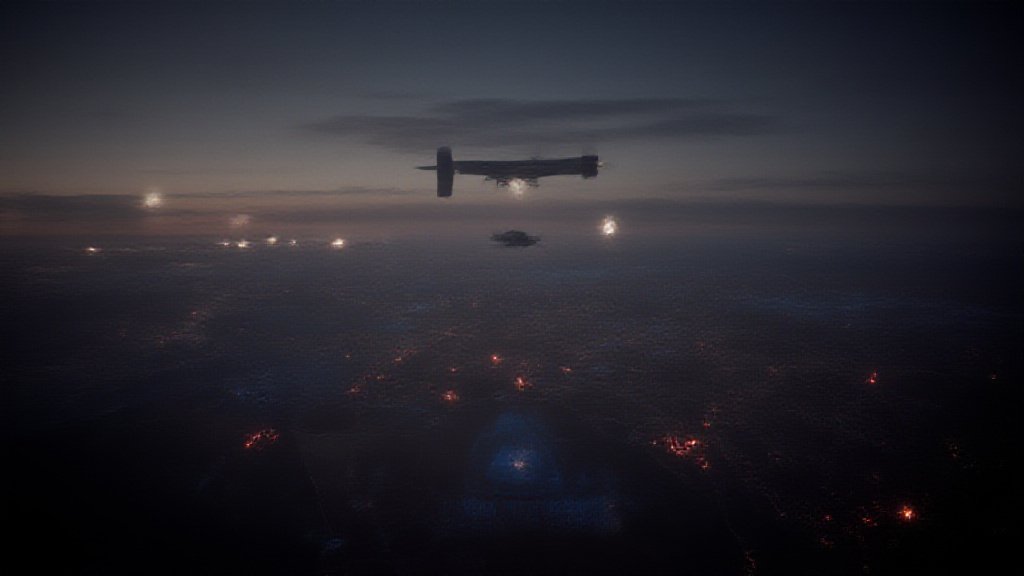
Intense Israeli airstrikes are pounding Iran and Lebanon. This marks a significant escalation in the ongoing conflict. The United States is also involved. US forces reportedly struck an Iranian drone carrier at sea. This action intensifies the campaign against Iran’s naval assets.
This new wave of attacks follows a full week of bombardment. U.S. Defense Secretary Pete Hegseth issued a stark warning. He stated that strikes against Tehran were “about to surge dramatically.” US and Israeli officials signal further escalations are imminent. This unprecedented military engagement is creating widespread global concern. It has also rattled financial markets significantly.
Campaign Against Iranian Capabilities
Israel claims major successes in its military campaign. The Israeli military reports destroying a substantial portion of Iran’s air defenses. They also state many missile launchers have been neutralized. IDF Chief of Staff Lt. Gen. Eyal Zamir noted Israel achieved near-total air superiority over Iran. Israeli air force pilots have conducted thousands of strikes. They have deployed over 6,000 munitions in the operation. The U.S. military is also hitting deeply buried ballistic missile launchers. Bombs target Iran’s missile production facilities. US B-2 bombers are key to these deep penetration strikes.
The U.S. military also reports sinking over 20 Iranian naval vessels. This includes a large drone carrier. Iran’s major naval presence in the region is effectively neutralized. The conflict has also seen U.S. forces sustain casualties. Six U.S. troops have been killed. The war has killed over 1,200 people in Iran. Lebanon reports over 120 deaths. Israel has suffered about a dozen fatalities. These are grim statistics from the ongoing hostilities.
Iran’s Retaliation and Regional Repercussions
Iran has launched retaliatory attacks. These strikes target neighboring countries hosting U.S. forces. Early Friday saw new attacks emerge. There were no immediate reports of widespread casualties. Iran has warned of the destruction of regional military and economic infrastructure. The conflict’s reach has expanded considerably. It now affects at least 14 countries across the Middle East and beyond. This widespread impact includes disruptions to oil supplies. Global air travel has also been significantly snarled.
Airports in Dubai, Abu Dhabi, and Doha faced unprecedented closures. This has stranded tens of thousands of passengers. The conflict has drawn in Hezbollah. The Iran-backed group launched missiles in retaliation for the war. Israel has responded with airstrikes in Lebanon. These actions have led to tens of thousands fleeing their homes. Many residents have evacuated Beirut’s southern suburbs.
Political Happenings Amidst Conflict
These intense military happenings are occurring alongside significant political developments in Iran. The death of Supreme Leader Ayatollah Ali Khamenei on February 28, 2026, is a major event. His killing occurred during U.S.-Israeli attacks. Iran is now in the process of selecting a new supreme leader. An interim Leadership Council is temporarily governing. This council includes the president and judiciary chief. The Assembly of Experts, a body of 88 clerics, will elect the successor. The process aims to project stability despite the war. However, the Assembly’s building in Qom was attacked. This adds to the volatile situation.
Shifting Military Assets
Amidst the escalating tensions, military movements are underway globally. U.S. Forces Korea (USFK) has relocated Patriot missile defense systems. These systems moved to Osan Air Base in South Korea. This relocation has sparked speculation about their potential deployment to the Middle East. The U.S. demand for air defense systems has surged due to regional conflict. This movement is part of broader alliance modernization discussions. It reflects a shifting focus beyond regional deterrence.
The conflict remains dynamic and unpredictable. Both sides vow continued action. U.S. officials suggest operations could last for weeks. They emphasize the current phase is “just the beginning.” The situation highlights the interconnectedness of global security. It underscores the significant geopolitical shifts trending in the region.