Shanghai Fashion Week has achieved a major milestone, securing the fourth position in the latest Global Fashion Vitality Index. This ranking highlights the city’s rapid evolution into a critical epicenter for luxury, design innovation, and commercial retail performance. By outpacing several long-standing European counterparts, Shanghai has demonstrated that it is no longer just a regional player, but a dominant force in the global fashion ecosystem.
The Shift in Global Fashion Power
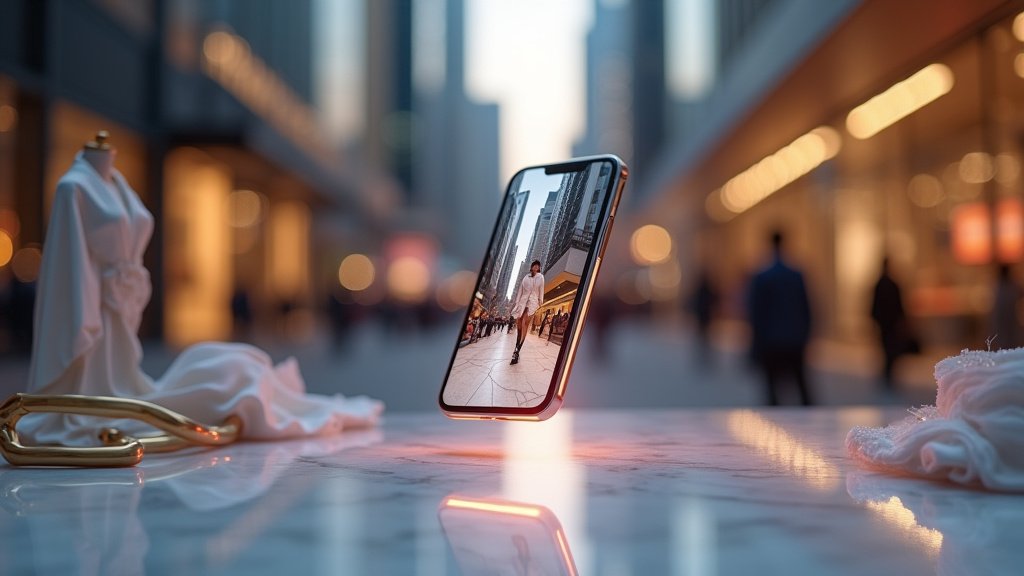
For decades, the “Big Four” fashion capitals—New York, London, Milan, and Paris—have maintained an iron grip on the industry’s narrative. However, the latest metrics indicate a tectonic shift. Shanghai’s rise is attributed to a unique synthesis of digital-first retail strategies, unparalleled speed-to-market, and a demographic of consumers who are increasingly driving global trends. Analysts note that the city’s ability to integrate high-end catwalk presentations with immediate, social-commerce-driven consumer access has created a template that other global capitals are now struggling to replicate.
Driving Factors Behind the Ranking
The methodology behind the Vitality Index takes into account several KPIs: designer participation, social media engagement, retail transaction volume, and international media coverage. Shanghai has excelled in the digital engagement sphere, leveraging its massive domestic ecosystem to turn runway shows into live-streamed, shoppable global events. Furthermore, the city has successfully cultivated a diverse mix of homegrown avant-garde designers and established global luxury brands that view Shanghai as a primary launchpad for Asian market penetration. This hybrid approach has allowed Shanghai to sustain a level of momentum that remains unrivaled in the APAC region.
Challenges and Future Outlook
Despite this high ranking, experts caution that maintaining this position requires navigating complex global supply chain dynamics and changing economic conditions. The challenge moving forward for organizers is to continue elevating the quality and international prestige of the collections while balancing the rapid, commerce-focused nature of the Chinese market with the more traditional, heritage-led expectations of global luxury conglomerates. Looking ahead, if Shanghai continues to foster this synergy between tech-savvy retail and creative design, it is well-positioned to challenge the top three status quo within the next few years. The city has effectively moved beyond mimicking Western models to creating its own, distinctly influential rhythm that the rest of the world is now compelled to follow.