Today’s social media feeds buzz with two distinct, yet significant, trends. Users are embracing a potent wave of nostalgia. They are declaring “2026 is the new 2016.” Simultaneously, a new fandom is emerging. It celebrates ancient Chinese history and its figures. These movements highlight a collective shift in online sentiment.
The 2016 Echo
The phrase “2026 is the new 2016” is a top trending topic. It began as a Gen Z joke. It quickly evolved into a sincere movement. Many users miss the mid-2010s. They recall a time perceived as more carefree. This era predates major global events. It was also before widespread AI content. Users are sharing photos and videos. These feature 2016 aesthetics. Think bright, oversaturated Instagram filters. Snapchat’s dog and flower crown filters are popular. Music from that year is also featured. Songs by Drake and The Chainsmokers are resurfacing. Viral challenges like the Mannequin Challenge are back. Pokémon Go is also fondly remembered. It encouraged outdoor activity. This trend is viral across TikTok and Instagram. It reflects a desire for simpler online interactions.
A Simpler Digital Past
Experts note the appeal of 2016 nostalgia. The internet felt different then. It was less curated. It was also less commercial. Social media feeds were often chronological. Users posted more personal moments. They did not focus as much on optimization. Today’s platforms can feel performative. They are often driven by algorithms. Users also report burnout. They are tired of constant comparison. The rise of AI-generated content adds to this fatigue. This nostalgia offers an escape. It is a return to what felt authentic. It is a way to cope with present anxieties. Many feel 2016 was the last time for mass culture. Shared conversations were more common. This trend provides emotional comfort. It brings a sense of hope. It is a collective pause. Users are reclaiming a lighter internet. This reclaiming is not about literal return. It is about processing current feelings. It is about finding joy in memory.
Chinese History Becomes a Fandom
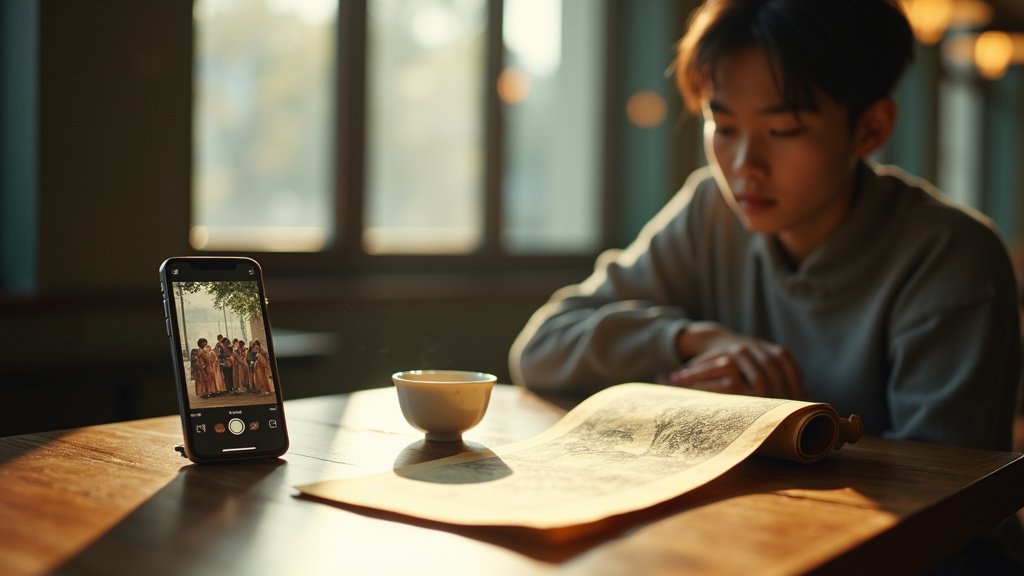
Another trending topic involves history. Young people are rediscovering Chinese history. They are reshaping it into vibrant online fandoms. These netizens are becoming “historical fans.” They treat figures from dynasties past like modern celebrities. This engagement is truly unique. For instance, fans visit the tomb of Tang Dynasty poet Li Bai. They leave bottles of wine there. This is a nod to his legendary fondness for drinking. At Cao Cao’s burial site, visitors leave ibuprofen. This is a playful reference to his chronic headaches. These historical figures span different eras. They include heroes from the Three Kingdoms period. They also feature Ming Dynasty reformers. Political strategists and literary giants are popular. This fascination offers emotional connection. It provides personal inspiration. Some young people create fan-made comics. Others produce life-size standees. This engagement goes beyond mere reading. It fosters a deep personal connection.
AI and Historical Figures
AI is also playing a role. Advanced AI is recreating historical Chinese emperors. These digital images bring figures to life. They are inspired by historical records. The goal is lifelike realism. This trend helps visualize the past. It makes ancient leaders more relatable. It adds a new dimension to historical appreciation. However, observers caution about potential distortion. History-based communities must foster critical thinking. They must encourage reading primary texts. This deepens understanding. It promotes independent judgment.
The Search for Authenticity
Both trends point to a similar underlying theme. Users are seeking authenticity. They desire genuine connection. Current social media often feels overwhelming. It is saturated with trends. It is also heavily commercialized. Many feel disconnected. The “2026 is the new 2016” trend offers a simpler past. The Chinese history fandom provides meaningful figures. These figures offer inspiration and relatable stories. They represent a departure from curated online personas. These viral movements showcase a public desire. They want a social media experience. It should be more personal. It should be less performative. Authenticity and genuine engagement are key. These are the news highlights shaping social media now. They represent a powerful shift in user sentiment. This is news for marketers too. It signals a need for genuine content. Brands must connect on an emotional level. The internet is constantly evolving. These trends show users are leading the way. They are actively shaping its future. This digital exploration is a major news item for 2026.