

Escalation in the Middle East: U.S. Response Following Rescue Operation
The Operational Context
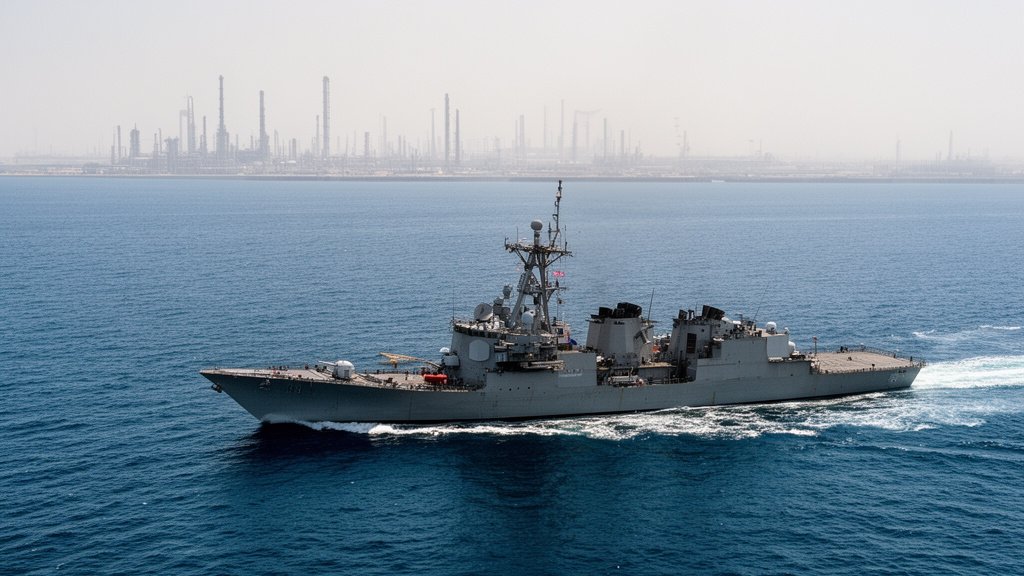
The situation in the Middle East has entered a precarious new phase following a high-stakes, successful rescue mission of a downed U.S. F-15E aircrew. While the rescue operation itself was hailed as a tactical success by military planners, the subsequent fallout has triggered a series of intensified U.S. strikes within Iranian territory. This latest military engagement underscores the fragility of regional stability and the U.S. military’s commitment to retrieving personnel while simultaneously asserting force projection in contested environments. The F-15E Strike Eagle, a sophisticated weapon system, was reportedly engaged in routine operations when it encountered unforeseen hostile fire, necessitating a swift and complex combat search and rescue (CSAR) mission. The success of this operation relied on rapid coordination between intelligence, surveillance, and reconnaissance (ISR) platforms, as well as Special Operations forces capable of operating in high-threat zones.
Strategic Implications of Targeted Strikes
Following the extraction of the personnel, the U.S. command structure pivoted to a punitive and defensive stance, authorizing strikes aimed at degrading assets believed to be responsible for the initial threat against the aircraft. These maneuvers signify a shift from reactive security measures to a more aggressive posture intended to deter future provocations. Military analysts suggest that these strikes are meticulously calibrated to target infrastructure, radar installations, and command-and-control nodes, thereby limiting the immediate operational capacity of host forces while attempting to avoid broader, open-ended conventional warfare. However, the geographic scope of these strikes—targeting positions within Iran—represents a notable departure from previous engagements that primarily focused on proxy forces in neighboring countries. This direct engagement brings the geopolitical risk to an all-time high.
Regional Stability and Diplomatic Fallout
Beyond the immediate tactical gains, the geopolitical ramifications of this intensification are significant. Regional allies have expressed concern over the trajectory of these events, fearing that a miscalculation on either side could lead to an uncontrollable spiral of conflict. Diplomatic channels are currently working at a frantic pace to manage the narrative and prevent further escalation. The U.S. administration maintains that its actions are strictly consistent with the right of self-defense and the obligation to protect service members. Conversely, international observers are closely monitoring how Tehran will choose to respond, specifically whether it will seek to retaliate through conventional military means or through intensified support for regional proxies. The balance of power, both kinetic and political, remains volatile, with both nations navigating the fine line between demonstrating resolve and avoiding total war. The efficacy of these strikes in achieving long-term deterrent goals remains subject to intense debate among foreign policy experts, many of whom argue that military force alone is insufficient to address the underlying tensions driving the confrontation.
FAQ: People Also Ask
How did the U.S. manage to rescue the downed F-15E aircrew?
The rescue was a complex joint operation involving elite Special Operations units and rapid, multi-domain intelligence support to locate and extract the personnel from hostile territory under extreme time pressure.
Why did the U.S. decide to escalate strikes inside Iran?
The U.S. government maintains that these strikes are direct, retaliatory actions intended to degrade the specific military infrastructure that threatened the F-15E crew and to deter further hostile action against U.S. assets in the region.
Is this escalation leading to a full-scale war?
While tensions are at their highest point, both sides are operating under complex strategic calculations. Military analysts continue to monitor whether these exchanges remain limited in scope or if they signify a transition toward broader, conventional military conflict.

13 thoughts on “U.S. Escalates Strikes in Iran Following Aircrew Rescue”
Comments are closed.