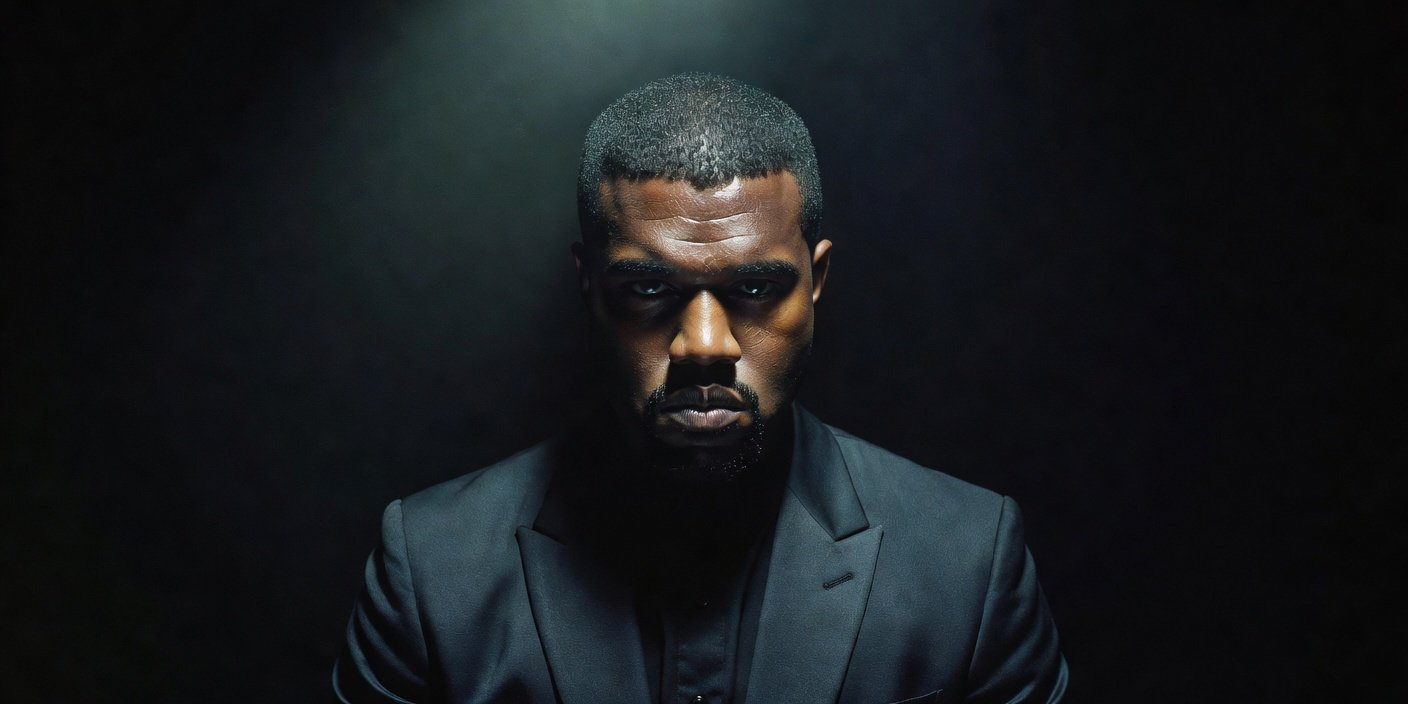
London’s premier music event, Wireless Festival, is facing a severe financial and reputational crisis following the announcement of Ye—the artist formerly known as Kanye West—as the sole headliner for all three nights of its 2026 summer edition. Major long-term partners, including global beverage giant Pepsi and spirits corporation Diageo, have officially withdrawn their sponsorship, citing significant concerns regarding the rapper’s history of inflammatory, antisemitic, and pro-Nazi rhetoric.
A Cascade of Corporate Exits
The exodus began late last week when news broke that the festival, scheduled for July 10–12 at Finsbury Park, had chosen Ye to lead its entire weekend lineup. By Sunday, April 5, the backlash had reached a boiling point. Pepsi, which has maintained a headline sponsorship branding relationship with the event since 2015, confirmed it was ending its association immediately. The decision was quickly followed by Diageo—the parent company of brands such as Johnnie Walker and Captain Morgan—which informed organizers that it would no longer support the 2026 festival. As the corporate landscape shifts, eyes are now turned toward remaining festival partners, with industry analysts anticipating further withdrawals if public and political pressure continues to mount.
The Political and Social Backlash
The controversy has transcended the music industry, drawing sharp condemnation from the highest levels of the UK government. Prime Minister Keir Starmer issued a public statement labeling the booking “deeply concerning,” noting that the rapper’s previous celebration of Nazism and antisemitic remarks are fundamentally abhorrent. “Antisemitism in any form must be confronted firmly,” Starmer stated, emphasizing that London should remain a safe environment for all communities. London Mayor Sadiq Khan also distanced the city from the festival’s booking decision, reflecting a growing consensus that the choice of artist is fundamentally at odds with the inclusive values of the capital.
A Polarizing Return
For Ye, the Wireless Festival controversy represents a new chapter in a turbulent few years of career instability. Despite his attempts to pivot—including a recent full-page apology in The Wall Street Journal and the release of his latest album, Bully—the industry remains deeply divided. The rapper’s history of erratic behavior, including the 2025 release of a track titled “Heil Hitler” and the promotion of antisemitic slogans, continues to cast a long shadow over his professional engagements. While Ye has historically attempted to attribute such episodes to mental health struggles, organizations such as the Jewish Leadership Council have called the decision to provide him a massive platform like Wireless “deeply irresponsible.” As the festival organizers face the dual challenge of declining financial support and intense public scrutiny, the future of the 2026 event remains uncertain, leaving fans and stakeholders to wonder if the booking will ultimately be reversed.


12 thoughts on “Wireless Festival Loses Major Sponsors After Ye Booking”
Comments are closed.