
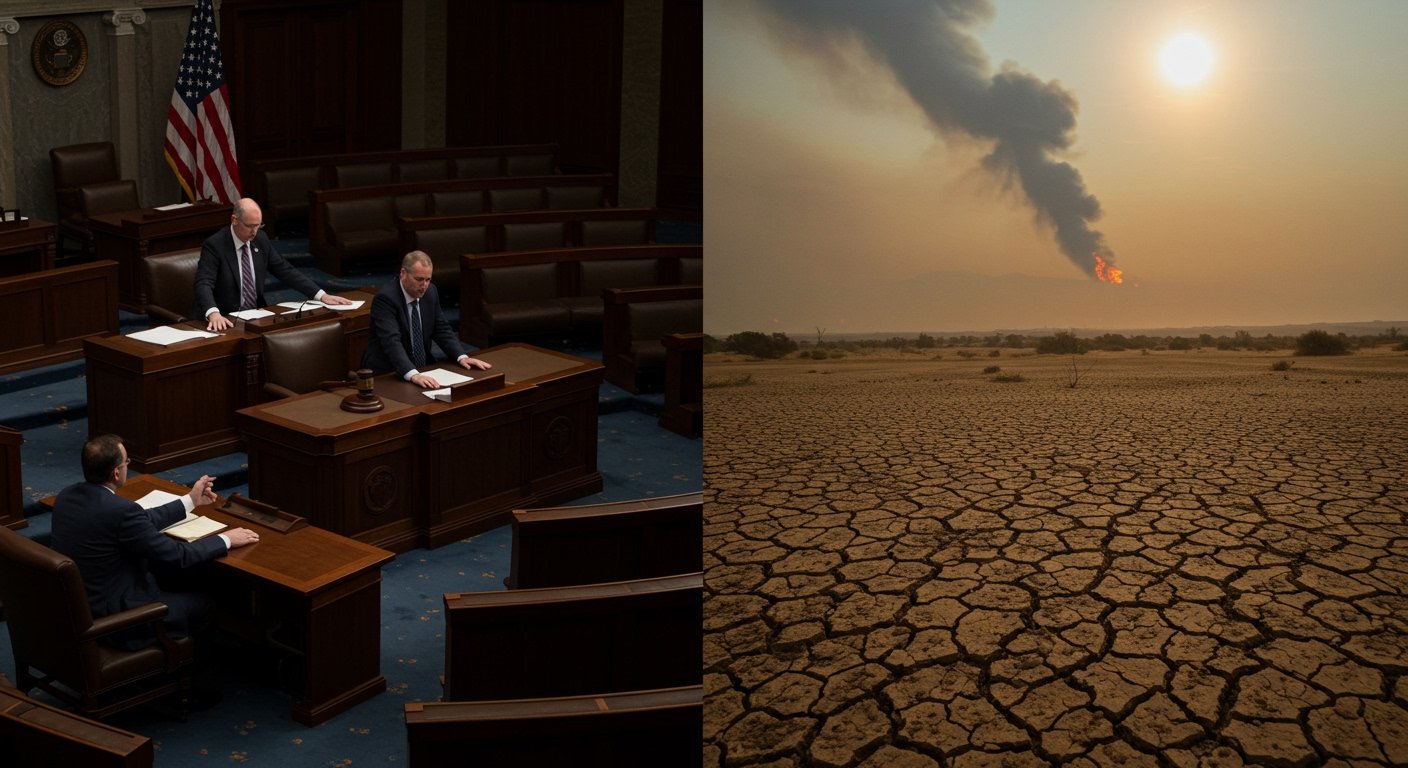
Washington, D.C. – July 2, 2025 – A crucial vote in the U.S. Senate today marked a significant development in domestic policy, as lawmakers narrowly approved former President Trump’s ambitious and far-reaching legislative package, dubbed the “One Big Beautiful Bill.” The measure passed following a tense 50-50 split, broken only by the tie-casting vote of Vice-President JD Vance.
US Senate Approves Landmark Legislation
The passage in the Senate represents a major step forward for the Republican agenda, particularly concerning economic and social policy. The “One Big Beautiful Bill” is a comprehensive piece of legislation that permanently entrenches tax cuts enacted during the Trump administration. Supporters argue these measures stimulate the economy and encourage investment.
Conversely, the bill also includes substantial reductions in government spending, specifically targeting social services. Programs like Medicaid, which provides healthcare to low-income individuals, and food subsidies are slated for significant scaling back. Critics contend these cuts will disproportionately affect vulnerable populations.
Furthermore, the legislation rolls back incentives previously aimed at promoting renewable energy and electric vehicle adoption. This aspect has drawn considerable opposition from environmental groups and proponents of green technology, who warn it could hinder efforts to combat climate change and transition to a cleaner energy future.
The bill now returns to the House of Representatives, where it faces another critical test. With the Republican party holding a narrow majority, proponents can afford to lose only three votes for the “One Big Beautiful Bill” to pass and head to the President’s desk.
Deadly Heatwave Grips Southwestern Europe
Across the Atlantic, southwestern Europe is grappling with the severe consequences of an intense and prolonged heatwave. The extreme temperatures have triggered widespread wildfires and are posing significant public health challenges across several nations, including France, Germany, and Italy.
The human toll of the heatwave is becoming tragically apparent. Authorities have confirmed two farmworker deaths linked to the extreme heat. In Catalonia, Spain, the heatwave has been particularly devastating, with officials reporting a child’s death from heatstroke. Record temperatures have been recorded in numerous locations, causing widespread disruption to daily life, transportation, and infrastructure.
Public health officials are urging citizens, especially the elderly, young children, and those with pre-existing conditions, to take extreme precautions, stay hydrated, and avoid prolonged exposure to the sun during peak hours. The ongoing wildfires, fueled by the dry conditions and high temperatures, are adding to the crisis, forcing evacuations and straining emergency services.
Regional Incidents: Somalia and Australia
Beyond the major developments in the United States and Europe, other significant events unfolded globally on July 2, 2025.
In Somalia, a small African Union military aircraft crashed at Mogadishu’s Aden Adde International Airport (MGQ). Details surrounding the cause of the crash were not immediately available, but initial reports confirmed it involved a military aircraft operated under the African Union mandate in the country.
Meanwhile, in Australia, health officials in New South Wales have confirmed the state’s first human case of the Australian bat lyssavirus. A man in New South Wales is currently in critical condition after contracting the rare and potentially fatal virus. The Australian bat lyssavirus is a bat-borne virus related to the rabies virus, and human infection is extremely rare but carries a high mortality rate. Authorities are tracing potential contacts and issuing public health warnings regarding interaction with bats.
These varied events – from significant legislative shifts in the U.S. to environmental and health crises in Europe and isolated incidents in Africa and Australia – highlight the diverse and complex challenges unfolding across the globe on this day in July 2025.