A minimalist app called “Sileme” has gone viral in China, highlighting a growing need for a Safety Anxiety App. Its Chinese name translates to “Are You Dead?”, and the app quickly climbed to the top of Apple’s paid app charts. This sudden surge highlights a growing fear, often called “safety anxiety”, among people living alone. China’s solo dwellers are increasingly concerned about their well-being, and this Safety Anxiety App offers a simple solution, though its blunt name sparks debate and reflects a cultural shift where younger generations are more open to discussing mortality.
The Rise of Solo Living and Safety Anxiety App Needs
China is seeing a significant demographic shift, with the number of people living alone rapidly increasing. One-person households now account for about 20% of the population, with some reports suggesting this could reach 200 million by 2030. This trend, driven by urban migration and delayed marriages, creates a growing need for effective Safety Anxiety App solutions. Many young people prioritize careers and live far from family support, increasing their reliance on digital safety solutions.
Addressing Safety Anxiety with a Safety Anxiety App
Living alone can bring freedom but also new worries, such as sudden illness, accidents, or undiscovered crises. Traditional community safety nets are weakening as neighbors may not know each other well, and family members often live far apart. This isolation breeds “safety anxiety,” a quiet fear of being unnoticed if something goes wrong. The app “Sileme” directly addresses this fear, acting as a crucial Safety Anxiety App that offers a basic form of reassurance and peace of mind for those living solo, helping to mitigate solo dweller safety concerns.
How Sileme Works: A Simple Safety Anxiety App
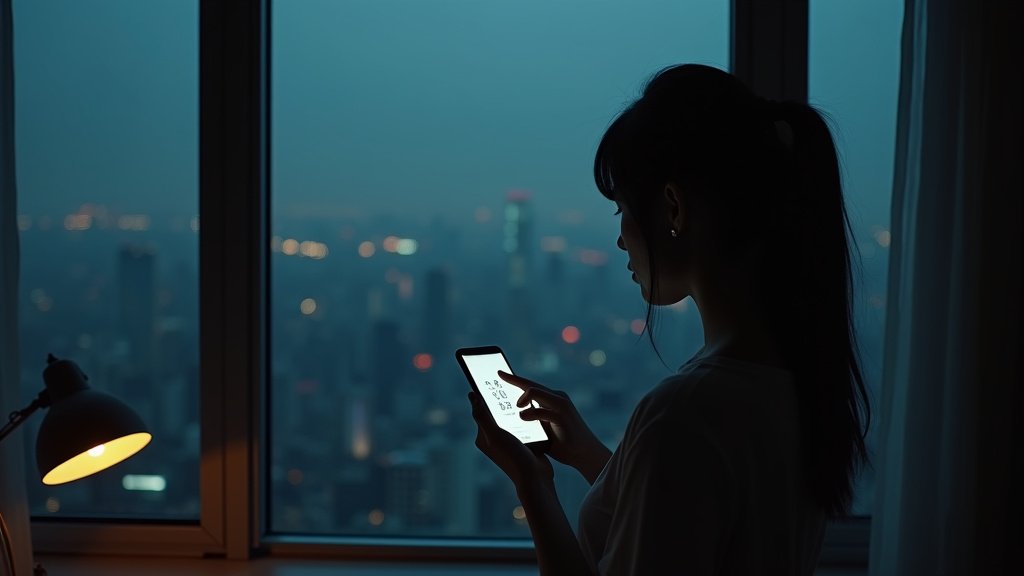
The app, also known as Demumu internationally, has a simple design that makes it an accessible Safety Anxiety App. Users input emergency contacts and then tap a “check-in today” button daily. The minimalist interface requires no extensive personal data and minimal effort. If a user misses two consecutive check-ins, the app automatically sends an email to their designated emergency contact, alerting them that the user may be in trouble. This straightforward function focuses on one critical safety aspect, demonstrating the power of a well-designed Safety Anxiety App. The developers, all born after 1995, created it in about a month with low development costs, yet it has become profitable, showcasing a successful example of app check-in feature implementation.
The Name Controversy and Evolving App Market
“Sileme” is a wordplay that sounds similar to Ele.me, a popular food delivery app in China. However, “Sileme” translates to “Are You Dead?” This blunt name for a Safety Anxiety App has caused a stir. While some users find it amusing and appreciate the directness, others find the name disturbing. Cultural norms often favor auspicious names, leading to suggestions for a rename, such as “Are You Alive?” The developers acknowledge the feedback and are considering a name change and product refinement, including better notifications and potential SMS alerts. This debate highlights a cultural shift and contributes to the diverse China app trends and app market growth.
Viral Success and the Future of Safety Anxiety Apps
The popularity of “Sileme” has been astounding, quickly becoming a top download and demonstrating how technology meets social needs, particularly for living alone worries. This success highlights the growing demand for specialized Safety Anxiety App solutions. While similar apps have appeared, and developers plan more features and seek investment, experts note that these apps are a start, not a complete solution. They fill a gap left by societal changes, complementing community and government efforts. The “Sileme” app provides a basic safety net and a sense of connection, reassuring solo dwellers and addressing real anxieties in modern life. Its viral nature is a news highlight, tapping into a widespread concern and demonstrating the power of simple, effective digital safety solutions that are gaining traction globally. This trend is expected to continue, with many viewing such a Safety Anxiety App as a necessary tool to bring awareness and care to solo dwellers, reflecting evolving safety solutions driven by changing demographics.