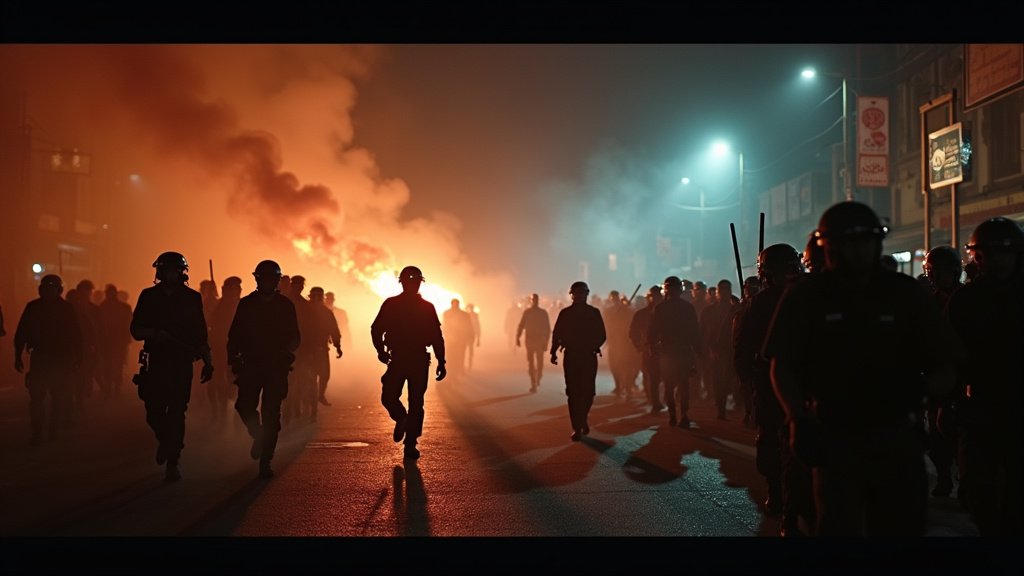
Iran’s streets turned violent in November 2019. Protests erupted nationwide. They were triggered by a sudden fuel price hike. The government responded with a brutal crackdown. Security forces used lethal force. Thousands were killed and arrested. This news sent shockwaves globally.
Protests Ignited by Price Hike
The government announced a sudden 50% fuel price increase. This decision came on November 15, 2019. It also introduced a rationing scheme. Iranians already struggled with economic hardship. The price hike was the final straw. Protests quickly spread across at least 100 cities. Demonstrators voiced deep economic anger. They also expressed broader discontent with the government. Some calls even urged the overthrow of the regime. The protests were the most severe anti-government unrest since 1979.
Brutal Crackdown Unleashed
Iran’s security forces met protests with extreme violence. Reports confirmed the use of live ammunition. Security forces fired on demonstrators. Eyewitnesses and videos showed snipers on rooftops. Many victims suffered gunshot wounds to the head and chest. This indicated security forces were deliberately shooting to kill. The crackdown was widely described as brutal and deadly. It was one of the most severe in decades. Human rights groups documented widespread abuses. This included arbitrary detention and torture. Thousands were injured in the unrest. The scale of the violence was immense.
A Nation Silenced: The Internet Blackout
To control information, authorities imposed a near-total internet shutdown. This blackout lasted for five to eight days. It began on November 15, 2019. The shutdown severely limited communication. It also hampered efforts to document the crackdown. This digital darkness helped hide the true extent of the violence. The internet blackout caused significant economic damage. Estimates placed the loss between $1 billion and $1.5 billion. It isolated millions of Iranians from the outside world. This tactic is now a pattern for the government.
Alarming Death Toll and Mass Arrests
Estimates of casualties varied widely. Amnesty International reported at least 304 people killed. Other sources suggested over 1,000 or even 1,500 deaths. Thousands more were injured. The government did not release official figures for weeks. Thousands were arrested. Estimates ranged from 4,000 to over 7,000. Many detainees faced unfair trials. Some were charged with offenses carrying the death penalty. Human rights organizations called for accountability. They highlighted the lack of justice for victims. This news remains a trending topic for human rights advocates.
Global Condemnation and Scrutiny
International bodies reacted with alarm. The United Nations voiced deep concern. It urged Iranian authorities to avoid excessive force. The UN also called for restoring communications. Human rights organizations like Amnesty International and Human Rights Watch published detailed reports. They documented the violations and urged investigations. Former President Donald Trump condemned Iran’s actions in 2019. The US imposed additional sanctions. However, specific threats of military action were not directly linked to the 2019 protests by Trump at that time. More recent news reports (dated 2026) show Trump threatening strong military action against Iran amidst renewed tensions and protests. This underscores the persistent geopolitical friction. International scrutiny of Iran’s human rights record remains high. The world watches this news closely now.
Lingering Questions of Accountability
Despite extensive documentation, Iranian authorities have largely avoided accountability. Families of victims faced threats and harassment. Many people arrested during the protests continued to face imprisonment. The events of November 2019 cast a long shadow. They highlighted the government’s severe response to dissent. The lack of justice for those killed and detained remains a critical issue. This ongoing situation continues to be a subject of urgent news coverage.