Korean companies are anticipating significant new opportunities as China considers lifting its unofficial China Korean culture ban, a move that follows President Lee Jae-myung’s productive visit and meeting with Chinese President Xi Jinping. This potential easing of restrictions marks a critical juncture for the future of Korean entertainment exports and Korean brands in China.
A Decade of Silence: The Impact of the China Korean Culture Ban
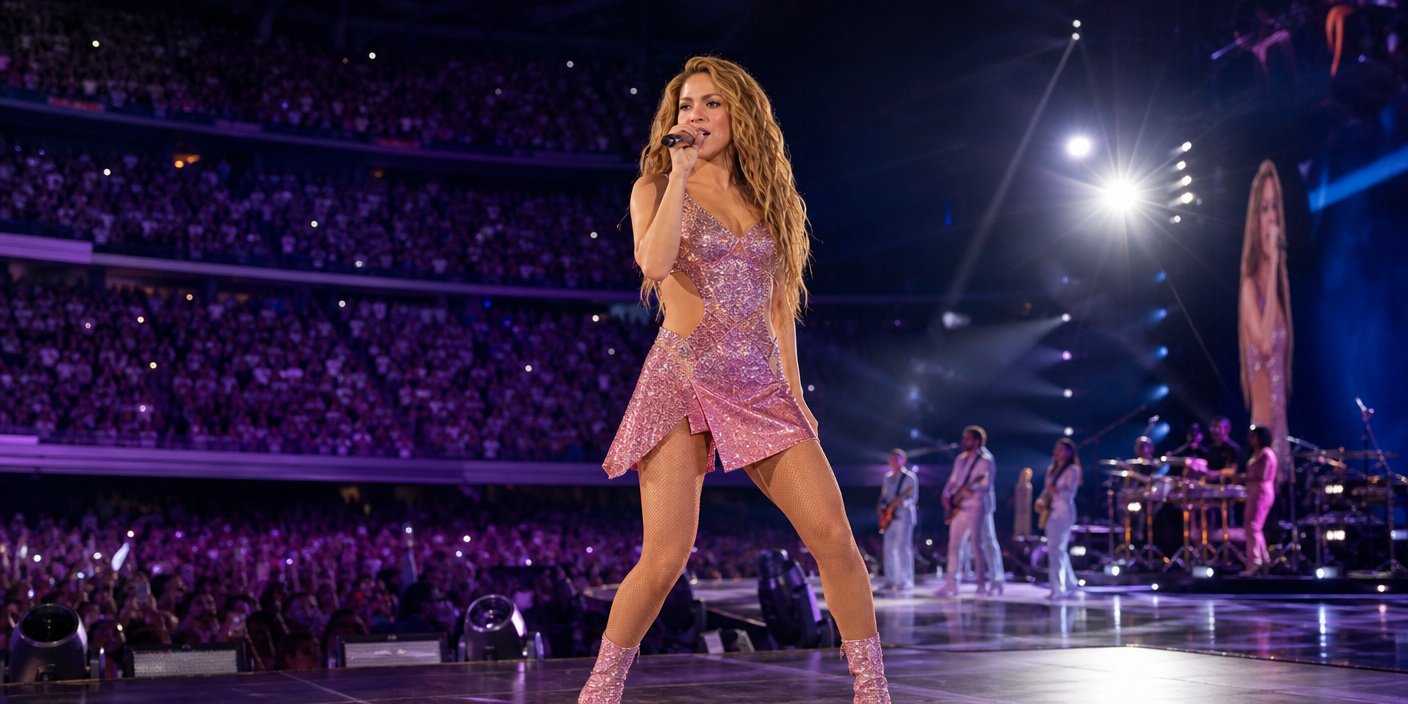
China imposed unofficial restrictions on Korean popular culture, widely known as Hallyu, around 2016. This unacknowledged China Korean culture ban was largely seen as a response to South Korea’s deployment of the THAAD missile defense system. The repercussions were substantial, significantly impacting Korean entertainment exports and leading to the cancellation of numerous China K-pop concerts and limitations on Korean dramas and films. Despite official denials of a China Korean culture ban, the industry felt its effects profoundly.
Diplomatic Shift and New Hope: Towards an Easing of the China Korean Culture Ban
President Lee Jae-myung’s recent visit to China has introduced a notable shift in tone. Discussions regarding the China Korean culture ban have begun, with President Xi Jinping signaling a willingness for gradual change, using metaphors like, “Three feet of ice does not form all at once.” President Lee conveyed that concrete discussions would follow, suggesting a phased and orderly resolution to the China Korean culture ban. This diplomatic thaw China Korea offers renewed hope for Korean businesses and signals a potential Hallyu ban easing.
Companies Accelerate China Push Amidst China Korean Culture Ban Easing Prospects
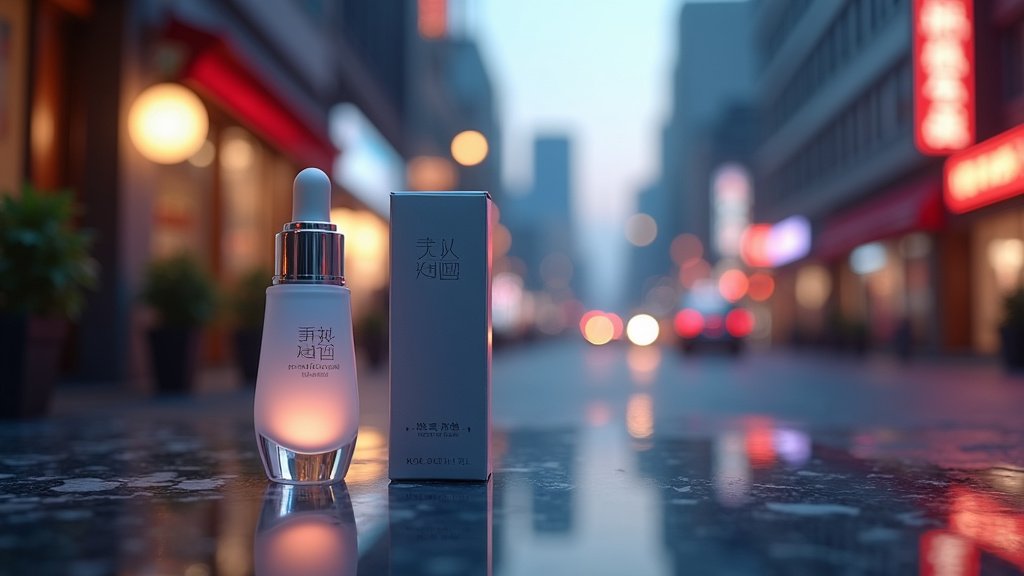
Korean firms are proactively expanding their presence, driven by optimistic projections for renewed Chinese market opportunities. This includes sectors like beauty, food, and fashion, all poised to benefit from a potential end to the China Korean culture ban. The immense size of the Chinese market, with its 1.4 billion potential consumers, offers substantial gains even with a small market share. For instance, fashion platform Musinsa has aggressively expanded, opening stores in Shanghai with plans for 100 by 2030 in partnership with Anta Sports. Rejuran Cosmetics has launched in Sephora China and plans further growth. Numerous other companies are signing MOUs for exports of consumer goods and content, aiming to increase sales of top Korean products and bring trending items to China, which could revitalize Korean brands in China.
Cautious Optimism and Future Hurdles Following the China Korean Culture Ban
Despite the positive signs, industry insiders maintain a degree of caution regarding the Hallyu ban easing. The process is anticipated to be gradual and sector-specific, given China’s political system which inherently places limits on cultural openness. Unlimited access is unlikely. Challenges such as counterfeit products and the potential for geopolitical tensions to complicate matters remain concerns, as evidenced by past cancellations of China K-pop concerts. Nevertheless, the overall outlook for Korean brands in China is favorable, as they offer popular, high-quality goods that resonate across various categories.
A New Era for K-Content: Beyond the China Korean Culture Ban
The potential end of the Hallyu ban represents a significant diplomatic thaw China Korea and a gateway for increased Korean cultural exports. Companies are prepared to leverage this development, aiming to re-establish a robust presence and capitalize on the renewed interest. This shift promises to reinvigorate cultural exchange and yield substantial economic benefits, heralding a potentially bright new era for Korean companies and Korean entertainment exports in China, opening up significant Chinese market opportunities.