
New Taiwan News: Strict Undersea Cable Laws Take Effect January 12
Taipei, Taiwan – A significant development in maritime security is now in effect with the implementation of new Undersea Cable Laws. Seven new amendments focused on protecting critical infrastructure took effect on January 12, 2026. These Undersea Cable Laws focus intensely on safeguarding undersea cables, along with other vital national infrastructure. This move signals Taiwan’s strong commitment to national security and aims to prevent disruptions to essential services, making Undersea Cable Laws a trending topic. The new rules come with substantially increased penalties for offenders, a crucial aspect of these Undersea Cable Laws. This news is a featured update for global maritime safety.
New Undersea Cable Laws Aim for Enhanced Security
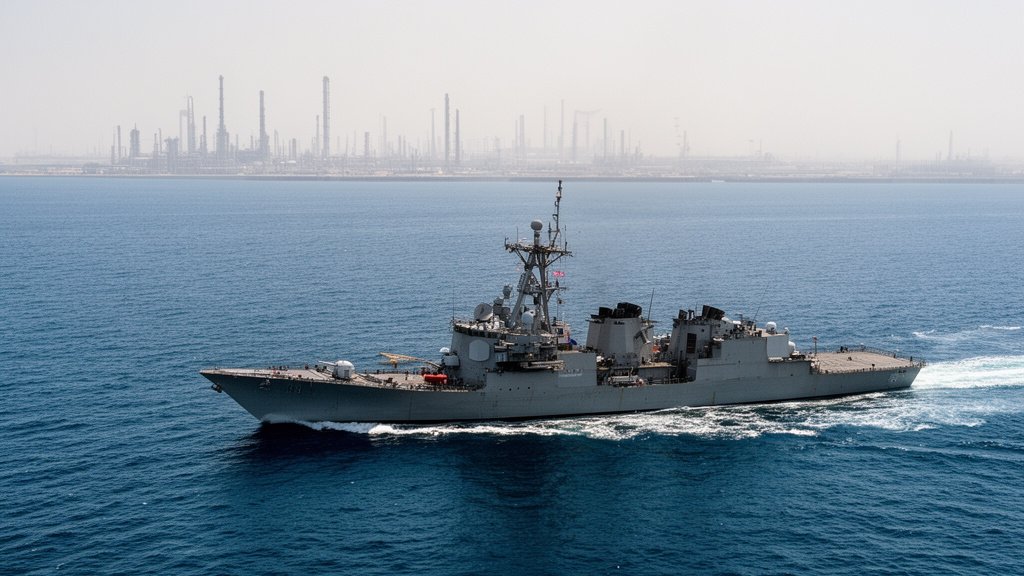
The Taiwanese government has passed crucial legislation. Seven key laws were amended, including the Telecommunications Management Act and the Law of Ships. The primary goal of these new Undersea Cable Laws is deterrence, preventing illegal activities in Taiwan’s territorial waters. A major requirement is mandatory vessel identification; all vessels must keep their Automatic Identification System (AIS) active within Taiwan’s waters. Disabling AIS or falsifying information carries severe penalties under the Undersea Cable Laws. Fines can reach up to NT$10 million. Ships themselves may be confiscated. Intentional damage to undersea cables faces even harsher consequences under these Undersea Cable Laws, with maximum fines hitting NT$100 million, approximately US$3.17 million. Imprisonment terms can extend up to seven years. These measures are designed to be a strong deterrent, reflecting the growing importance of undersea cables and enhancing maritime security laws. This is a trending topic in global connectivity security.
Addressing Past Incidents and Threats Under New Undersea Cable Laws
These amendments, forming the core of the new Undersea Cable Laws, were not enacted lightly. Taiwan has experienced several incidents where foreign vessels have damaged undersea cables. Some vessels lingered suspiciously near these vital lines, raising serious national infrastructure security concerns. These cables are the backbone of global communication, carrying immense amounts of data. Accidental damage from fishing or anchors is common, but there is a growing concern about intentional sabotage. State actors and “dark ships” pose a significant threat – vessels that disable their tracking systems and operate stealthily. The new Undersea Cable Laws aim to combat such illicit activities, providing a clearer legal framework for enforcement. This news highlights a proactive approach to threats, ensuring data cable safety.
A Global Imperative for Connectivity and Undersea Cable Laws
Undersea cables are indispensable to the modern world, carrying approximately 99% of all international data, including financial transactions, internet traffic, and communications. Their disruption could cause widespread economic chaos, paralyze financial markets, and cripple global trade. For Taiwan, these cables are critical, linking the island to the world and ensuring economic stability. They support essential government functions and are vital for national defense operations. Ensuring their resilience is a top priority, and the new Undersea Cable Laws are central to this. The global community also faces similar challenges, making the protection of these digital highways a shared responsibility. This initiative positions Taiwan at the forefront of this effort in enforcing robust undersea cable protection.
Looking Ahead: A More Secure Digital Future with Stronger Undersea Cable Laws
The new amendments represent a strong step forward, bolstering Taiwan’s maritime security posture and reinforcing the protection of critical infrastructure through effective Undersea Cable Laws. The mandatory AIS requirement, a key component of these Undersea Cable Laws, enhances transparency and makes vessels easier to track, aiding in preventing illegal actions. The increased penalties serve as a powerful warning under the Undersea Cable Laws, aiming to deter intentional damage. These laws reflect Taiwan’s dedication to resilience and its commitment to global digital connectivity, ensuring that vital data flows freely and securely. Taiwan is building a more secure future for its digital infrastructure. This is a featured development in cybersecurity, underscoring the importance of comprehensive Undersea Cable Laws. This also supports the vessel tracking mandate and relates to concerns about taiwan maritime security.